When Is International Overdose Awareness Day?
Learn what International Overdose Awareness Day is, why August 31 matters, and how communities honor lives lost and prevent future overdoses.
Every year, on August 31, millions of people around the world pause to remember someone they've lost to overdose. They light candles, wear purple ribbons, share photographs and stories, and gather in parks, city halls, and community centers in cities that span more than 40 countries. This is International Overdose Awareness Day, and while it began as a small local remembrance event, it has grown into the largest annual campaign in the world dedicated to ending overdose.
This guide covers what International Overdose Awareness Day is, where it came from, why it continues to matter, and how individuals, families, and organizations can take part in a way that's both meaningful and genuinely helpful to the communities most affected by overdose.
What Is International Overdose Awareness Day?
International Overdose Awareness Day, often abbreviated IOAD, is a global campaign observed every August 31 with three central purposes: to remember people who have died from overdose, to acknowledge the grief experienced by the families and friends left behind, and to reduce the stigma surrounding drug-related death. The day also serves as a call to action, encouraging communities, healthcare providers, and policymakers to invest in evidence-based overdose prevention.
Unlike some awareness campaigns that focus primarily on statistics or policy, IOAD places remembrance at its center. The day intentionally creates space for grief that is often silenced or minimized elsewhere, recognizing that stigma around substance use frequently prevents families from openly mourning or talking about how a loved one died.
The Purple Ribbon and Silver Badge
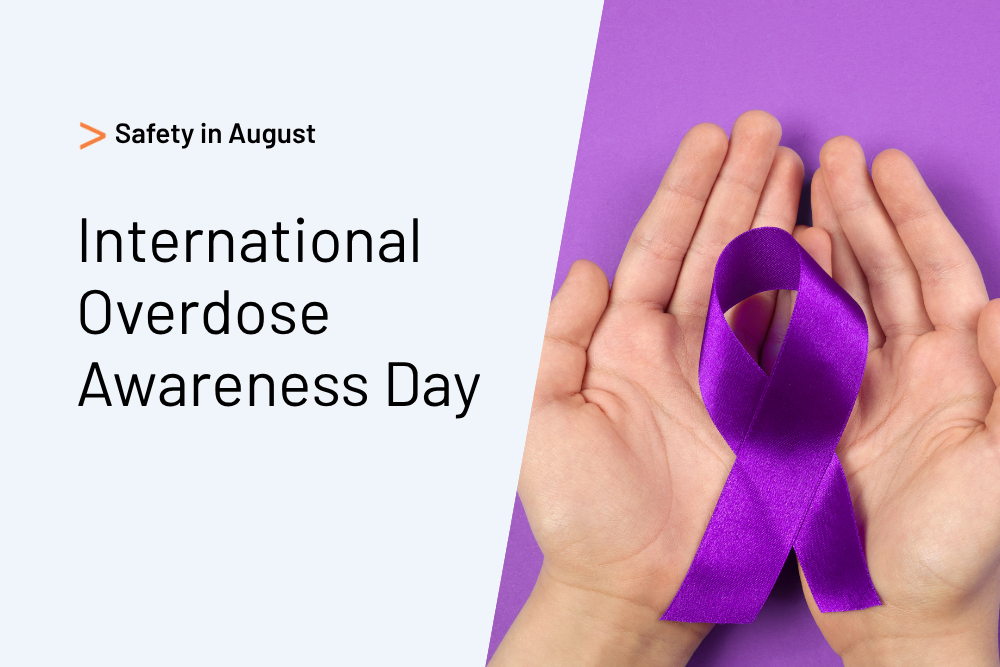
The purple ribbon has become the most widely recognized symbol of International Overdose Awareness Day, representing remembrance, solidarity with those grieving, and the ongoing fight against the stigma attached to overdose deaths. Some participants also wear a silver badge, another symbol associated with the observance. Communities around the world mark the day by lighting public landmarks purple, a visible way of extending the observance beyond individual participants and into shared civic space.
The History Behind International Overdose Awareness Day
International Overdose Awareness Day was first led by the Penington Institute in Australia in 2012, though its roots trace back further, to a local remembrance event held in Melbourne at a needle exchange program run by The Salvation Army. What started as a modest community gathering has since grown into a genuinely global observance.
From Local Vigil to Global Movement
In 2026, International Overdose Awareness Day marks its 25th anniversary, reflected in this year's theme, "25 Years On. Still Needed." The theme captures both how far the movement has come and the sobering reality that the day remains just as necessary now as it was at its founding. Today, more than 40 countries and over 1,000 individual events take part each year, ranging from small candlelight vigils organized by grieving families to large public campaigns backed by national health organizations, hospitals, and advocacy groups.
Why the Day Is "Still Needed"
The persistence of the "still needed" message reflects the scale of the crisis the day was created to address. According to the CDC, more than 107,000 people died from drug overdoses in the United States in 2023 alone, a figure that, while representing a slight decline from the previous year, remains devastating. Overdose deaths are not confined to any single country, demographic, or type of substance; they touch communities across income levels, age groups, and geographic regions, which is part of why the observance has grown into a genuinely international one rather than remaining tied to any single nation's public health crisis.
Why International Overdose Awareness Day Matters
The case for continuing to observe IOAD each year rests on a few consistent, evidence-backed reasons.
Overdose Deaths Are Preventable
Perhaps the most important message repeated throughout International Overdose Awareness Day materials is that overdose is preventable. This isn't just an aspirational slogan; it reflects a genuine public health reality. Tools like naloxone, a medication that can rapidly reverse the effects of an opioid overdose, along with access to treatment, harm reduction services, and timely emergency response, have all been shown to meaningfully reduce overdose deaths where they're made widely available. IOAD exists in part to keep this preventability message in front of the public, policymakers, and healthcare systems, since progress depends on continued investment rather than treating the crisis as an unavoidable inevitability.
Stigma Costs Lives
Stigma surrounding substance use disorder remains one of the most significant barriers to both prevention and recovery. When drug use and overdose are treated as moral failings rather than symptoms of a treatable medical condition, people are less likely to seek help, families are less likely to talk openly about a loved one's death, and communities are less likely to support harm reduction measures that have been shown to save lives. A central goal of International Overdose Awareness Day is to directly challenge this stigma, encouraging a shift toward viewing substance use disorder with the same compassion and clinical seriousness as any other chronic health condition.
Grief Deserves Acknowledgment
Losing someone to overdose often comes with a particular kind of isolation. Grieving families sometimes report feeling unable to speak openly about how their loved one died, out of fear of judgment or misunderstanding. International Overdose Awareness Day intentionally creates public, shared space for this grief, through vigils, tribute walls, and community gatherings, offering a form of collective acknowledgment that many families say is difficult to find the rest of the year.
How Communities Observe International Overdose Awareness Day
Because IOAD is a decentralized, grassroots-driven observance, the way it's marked varies significantly depending on the community, but a number of activities have become common threads across events worldwide.
Vigils and Remembrance Events
Candlelight vigils are among the most common ways communities observe the day. These gatherings typically involve reading the names of people who have died from overdose, sharing personal stories, and offering a structured, public space for collective mourning. Many vigils are organized by local task forces, recovery organizations, or grieving families themselves, and they're often held in public spaces such as courthouse lawns, parks, or community centers.
Educational Workshops and Outreach
Community health groups, medical professionals, and policymakers frequently organize educational events around IOAD, including workshops on recognizing the signs of overdose, information sessions on naloxone access and use, and outreach drives aimed at connecting people who use drugs with treatment and harm reduction resources. These events serve a dual purpose: honoring those who have died while equipping the public with practical knowledge that can prevent future deaths.
Tribute Walls and Personal Stories
Many organizations maintain online tribute pages where people can post photographs, memories, and messages honoring a loved one lost to overdose. These digital memorials allow participation from people who may not be able to attend a physical event, and they help illustrate, in deeply personal terms, the scale of loss that statistics alone can't fully convey.
Advocacy and Policy Engagement
Beyond remembrance, IOAD has increasingly become a platform for advocacy. Organizations use the day to meet with policymakers, push for expanded access to naloxone and treatment services, and advocate for harm reduction approaches backed by public health evidence. Government proclamations recognizing the day have become common in many regions, formally acknowledging both the scale of overdose deaths and the need for continued investment in prevention.
How to Get Involved
International Overdose Awareness Day is open to anyone who wants to participate, whether or not they have personally been affected by overdose.
Attend or Host an Event
The most direct way to participate is to attend a local vigil, workshop, or awareness event. If nothing is happening in your area, hosting a small gathering, even something as simple as a candlelight moment of remembrance among friends or coworkers, is a meaningful way to mark the day.
Educate Yourself and Others
Taking time to learn the basic signs of an opioid overdose, such as slowed or stopped breathing, blue-tinged lips or fingertips, unresponsiveness, and pinpoint pupils, along with how to respond, including calling emergency services immediately and administering naloxone if it's available, can make a genuine difference in an emergency. Sharing this information with others, whether through social media, a workplace training, or a conversation with family, extends the impact of the day well beyond August 31 itself.
Support Organizations Doing the Work
Donating to or volunteering with organizations focused on overdose prevention, harm reduction, and recovery support is another meaningful way to participate, particularly for people who want to contribute beyond a single day of observance. Many of these organizations rely heavily on public donations and volunteer support to sustain year-round prevention and outreach work.
Share the Message
Using the day's official hashtags and sharing resources on social media helps extend awareness to audiences who might not otherwise encounter information about overdose prevention. Wearing a purple ribbon, sharing a tribute, or simply having an open, non-judgmental conversation about substance use with someone in your life are all small but genuine ways to contribute to the broader goal of reducing stigma.
Looking Ahead
International Overdose Awareness Day organizers are candid about the fact that, ideally, the world wouldn't need a day like this at all. The persistence of the observance for 25 years reflects an ongoing public health challenge rather than a problem that's been solved. At the same time, the growth of the movement, from a single local vigil in Melbourne to a campaign spanning more than 40 countries, reflects real progress in how openly overdose and substance use disorder are discussed today compared to when the day began. Continued investment in evidence-based prevention, expanded access to naloxone and treatment, and sustained efforts to reduce stigma remain the clearest path toward a future where fewer families experience this kind of loss.
Frequently Asked Questions
When is International Overdose Awareness Day and what does it commemorate?
International Overdose Awareness Day is observed every year on August 31, and in 2026 it falls on a Monday, marking the 25th anniversary of the observance with the theme "25 Years On. Still Needed." The day commemorates people who have died from drug overdose and creates dedicated space to acknowledge the grief experienced by the families, friends, and communities left behind. Beyond remembrance, the day also serves several interconnected purposes: raising public awareness about the scale and preventability of overdose, reducing the stigma associated with drug-related death and substance use disorder more broadly, and encouraging discussion and action around evidence-based overdose prevention strategies such as naloxone access, harm reduction services, and treatment availability.
The observance was first led by the Penington Institute in Australia in 2012, growing out of a local remembrance event held in Melbourne at a needle exchange program. Since then, it has expanded into the largest global campaign dedicated to ending overdose, with more than 40 countries and over 1,000 individual events taking place each year, ranging from small family-organized vigils to large public campaigns supported by national health organizations, hospitals, and advocacy groups. The consistent date each year allows communities around the world to mark the observance together, creating a shared, internationally recognized moment for both remembrance and renewed commitment to prevention.
Why is International Overdose Awareness Day important if overdose rates are already known?
While statistics on overdose deaths are tracked and published regularly by public health agencies, International Overdose Awareness Day serves purposes that raw data alone cannot fulfill, which is part of why the observance remains widely supported even in places where overdose statistics are already well documented.
First, the day centers remembrance and grief in a way that statistics inherently cannot. Numbers can convey scale, but they don't provide grieving families with a space to share memories, speak their loved one's name publicly, or connect with others who understand a similar loss, all of which the day's vigils and tribute events are specifically designed to offer.
Second, the day plays a significant role in reducing stigma, which remains one of the most persistent barriers to both overdose prevention and recovery. When substance use disorder and overdose deaths are surrounded by shame or moral judgment, people are often less likely to seek treatment, families are less likely to speak openly about how a loved one died, and public support for harm reduction measures can be harder to build, even when those measures are backed by strong evidence.
Third, the day functions as a recurring, high-visibility opportunity for advocacy and education, giving organizations, healthcare providers, and policymakers a consistent annual moment to highlight resource gaps, push for expanded access to naloxone and treatment, and reinforce practical knowledge like how to recognize the signs of an overdose. In short, while awareness of overdose statistics may already exist among the public and policymakers, sustained attention, compassion, and action are not guaranteed without a recurring, dedicated observance, which is precisely the role International Overdose Awareness Day continues to play.
What can someone do to participate in International Overdose Awareness Day if they haven't been personally affected by overdose?
International Overdose Awareness Day is intentionally open to everyone, not just people who have personally lost someone to overdose, and there are several meaningful ways to participate regardless of personal connection to the issue. One straightforward option is attending a local vigil, educational workshop, or community event, many of which are open to the general public and welcome participation from anyone interested in supporting the cause. For those who can't find or attend a local event, learning the basic signs of an opioid overdose and how to respond, including recognizing symptoms like slowed or stopped breathing and unresponsiveness, calling emergency services immediately, and understanding how naloxone can be used to reverse an overdose, is a genuinely practical way to prepare to help in an emergency, even outside the context of the observance itself.
Sharing accurate, compassionate information about overdose and substance use disorder with friends, family, or coworkers, whether through a conversation or by sharing resources on social media using the day's official hashtags, helps extend the reach of the campaign's core message that overdose is preventable and stigma is harmful. Supporting organizations that work in overdose prevention, harm reduction, and recovery services, whether through donations or volunteer time, provides tangible support that continues well beyond the single day of observance. Finally, something as simple as wearing a purple ribbon, engaging respectfully with tribute posts shared by grieving families, or approaching conversations about substance use with openness rather than judgment all contribute to the broader cultural shift the day is working toward, even for people who have no direct personal connection to overdose loss.
If you or someone you know is struggling with substance use, or if you'd like information on naloxone access or local support resources, a healthcare provider or local public health department can help point you in the right direction.
SafetyIQ brings incidents, inspections, training, journey management, lone worker safety and fatigue into one mobile app. Tell us about your crews and sites for tailored pricing.
Safety insights, straight to your inbox
New guides, monthly safety topics and SafetyIQ updates for EHS and operations leaders. Unsubscribe anytime.



Get a demo built around your sites, your teams, and the way your people work.
EHS, journey, and fatigue management software for field-heavy teams.

.png)

.png)