
Hotel Security in 2026: What Properties Need to Know
Modern hotel security explained: physical infrastructure, cyber protection, staff training, and practical tips for guests and hoteliers alike.
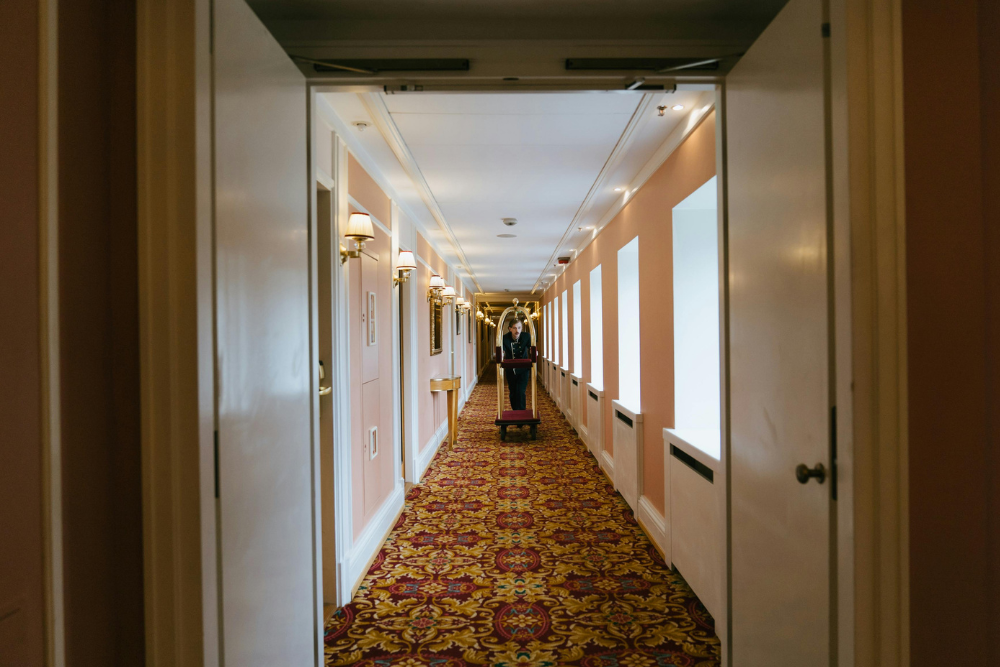
Travel has changed a lot in the last decade, but one thing hasn't: guests want to feel safe the moment they walk through the lobby doors. Hotel security is no longer just a guy at the front desk and a deadbolt on the door. It's a layered system involving physical design, technology, staff training, and constant vigilance. Whether you're a traveler trying to protect yourself on the road or a hotel operator trying to protect your guests and your brand, understanding how modern hotel security works matters more than ever.
This guide walks through the core pillars of hotel security today, the biggest threats properties face, and practical steps both guests and hoteliers can take to stay ahead of them.
Why Hotel Security Matters More Than Ever
Hotels are unique environments from a security standpoint. Unlike an office building or a private residence, a hotel has to let thousands of strangers in and out every week while still keeping each guest's room, belongings, and personal safety protected. That balancing act — openness for hospitality, restriction for safety — is what makes hotel security such a specialized discipline.
A few forces have raised the stakes recently:
- Rising theft and fraud sophistication. Criminals increasingly target hotels because of the volume of valuables, credit card data, and personal information passing through daily.
- Guest expectations have shifted. Travelers now expect the same level of digital security they get from their bank, alongside physical safety.
- Large-scale destination resorts are bigger targets. A single sprawling resort — think acres of pools, multiple towers, and thousands of rooms — has to secure a far larger perimeter than a boutique downtown hotel, and even a well-run family-friendly Orlando resort, for example, has to think about crowd control and child safety on a completely different scale than a 40-room inn.
- Reputation risk is amplified by social media. A single viral post about a security failure can do more damage than the incident itself.
The Core Pillars of Modern Hotel Security
Physical Security Infrastructure
The foundation of any hotel security program is still physical. This includes:
- Access control systems — keycard or mobile-key entry to guest floors, elevators, and back-of-house areas
- CCTV coverage — cameras in lobbies, hallways, parking structures, and service entrances (never in guest rooms or bathrooms, which is both unethical and illegal)
- Perimeter lighting and landscaping — well-lit walkways and trimmed shrubbery near entrances reduce hiding spots
- Secure back-of-house areas — loading docks, laundry rooms, and staff-only corridors need their own access restrictions
Digital and Cyber Security
Hotels sit on a goldmine of personal data: names, home addresses, payment details, and sometimes passport numbers. That makes them attractive targets for cybercriminals.
Key digital protections include:
- Encrypted property management systems (PMS)
- Segmented Wi-Fi networks that separate guest internet from internal hotel operations
- Regular penetration testing and software patching
- PCI-DSS compliance for payment processing
- Staff training to recognize phishing attempts, since front-desk employees are often the first target of social engineering attacks
Staff Training and Protocols
Technology only goes so far without people who know how to use it. Well-run hotels invest heavily in:
- Verifying identity before disclosing any room number or guest information over the phone or at the desk
- Emergency response drills for fire, medical events, and active threats
- De-escalation training for handling disruptive guests
- Clear reporting chains so suspicious activity gets flagged quickly
Guest-Facing Safety Measures
Guests notice security most through the touches they interact with directly:
- In-room safes
- Peepholes and secondary door locks (chain or latch)
- 24-hour front desk or security personnel
- Emergency information posted in-room (evacuation routes, local emergency numbers)
- Well-marked, well-lit stairwells and parking areas
Common Threats Hotels Face
Theft and Burglary
Room theft remains one of the most common incidents hotels deal with, ranging from opportunistic grabs of unattended valuables to more organized break-ins using cloned or stolen keycards.
Cybercrime and Data Breaches
Point-of-sale malware, compromised Wi-Fi networks, and phishing scams targeting both staff and guests are a persistent and growing risk. A breach doesn't just cost money — it costs trust.
Unauthorized Access
Tailgating (following an authorized guest through a locked door) and social engineering (posing as maintenance staff or a fellow guest) are surprisingly effective ways bad actors get past physical controls.
Guest-on-Guest Incidents
Not every threat comes from outside. Disputes between guests, harassment, and disturbances require staff who are trained to intervene safely and appropriately.
Emergency and Crisis Events
Fires, severe weather, medical emergencies, and, in rare cases, active threats all require a hotel to have clear, rehearsed protocols — not just a binder on a shelf.
How Hotels Can Strengthen Their Security Posture
Conduct Regular Security Audits
A security audit should assess physical vulnerabilities, digital infrastructure, and staff readiness at least once a year, and after any major renovation or system upgrade.
Invest in Layered Technology
No single system should carry the full weight of hotel security. Cameras, access control, and cyber protections should overlap so a failure in one layer doesn't compromise the whole property.
Build a Culture of Vigilance
Security works best when every employee — not just the dedicated security team — feels responsible for it. Housekeeping staff, valet attendants, and restaurant servers are all extra sets of eyes.
Communicate Clearly With Guests
Guests who know where the exits are, how to reach security, and how to use their in-room safe are safer guests. Clear signage and a quick note at check-in go a long way.
Practical Safety Tips for Travelers
You don't have to be a security expert to protect yourself while traveling. A few habits make a real difference:
- Use the deadbolt and chain lock every time you're in the room, not just at night
- Keep valuables in the in-room safe, not in a suitcase or drawer
- Don't announce your room number out loud at the front desk
- Use a door wedge or portable alarm for extra peace of mind in unfamiliar destinations
- Verify any unexpected staff visit by calling the front desk before opening the door
- Note the nearest emergency exit as soon as you check in
Looking Ahead: Where Hotel Security Is Headed
Biometric check-in, AI-powered anomaly detection in CCTV feeds, and mobile-key systems that eliminate physical keycards altogether are all becoming more common. These technologies promise faster, more personalized service — but they also raise new questions about data privacy and how much biometric information a hotel should be allowed to collect and store. The properties that get ahead of these questions, rather than reacting to them after a breach or a lawsuit, will be the ones guests trust most.
FAQs
Do hotels have to disclose security incidents to guests?
Requirements vary by state and country, but many jurisdictions have data breach notification laws that require hotels to inform affected guests if their personal or payment information was compromised. Physical security incidents like theft are typically reported to local law enforcement but aren't always proactively disclosed to other guests unless there's an ongoing safety concern.
Are hotel safes actually secure?
In-room safes deter casual theft but aren't impenetrable — they're generally not designed to withstand a determined, skilled attacker with time and tools. For high-value items like passports, jewelry, or large sums of cash, the hotel's main safe deposit boxes at the front desk typically offer stronger protection than an in-room unit.
What should I do if I think someone unauthorized is in my hotel room?
Don't enter. Back away, go to a public area like the lobby, and immediately notify hotel staff or security. If you feel unsafe, contact local emergency services directly rather than waiting for hotel staff to respond.
How can I tell if a hotel takes security seriously before I book?
Look for visible cues in reviews and photos: mentions of keycard access to elevators and guest floors, well-lit parking areas, and responsive front-desk staff. You can also check whether the property discloses its security measures on its website or ask directly when booking — a hotel confident in its security program will usually be happy to answer.
SafetyIQ brings incidents, inspections, training, journey management, lone worker safety and fatigue into one mobile app. Tell us about your crews and sites for tailored pricing.
Safety insights, straight to your inbox
New guides, monthly safety topics and SafetyIQ updates for EHS and operations leaders. Unsubscribe anytime.



Get a demo built around your sites, your teams, and the way your people work.
EHS, journey, and fatigue management software for field-heavy teams.

.png)

.png)