
10 Essential Facts About Fire Safety Everyone Should Know
Learn how to mitigate fire, conduct effective fire drills, and maintain safety equipment to ensure a safe environment for everyone with these fire safety tips.

Fire safety is an essential aspect of workplace safety that must never be overlooked. In any business, the risk of fire poses a significant threat to the safety of employees, the continuity of operations, and the protection of assets.
Picture this: It's a typical Tuesday on site. The plant buzes with activity, the scent of coolant and metal shavings mixing, and then suddenly - a harsh, unmistakable scent of smoke fills the air. Panic sets in. Do you know what to do next?
Fire safety isn't just about ticking boxes on a compliance checklist. It's about being prepared for the moment you hope never comes. Whether you're a safety manager juggling a thousand responsibilities or a business owner trying to protect your life's work, these ten fire safety facts are your armor against disaster.
Pro Tip: Want to ensure your workplace is fully protected against fire? Download our Comprehensive Guide to Hazard Management to learn more about identifying and mitigating risks in your workplace.
Fact 1: The Most Common Causes of Workplace Fires
You might think dramatic explosions cause most workplace fires. The truth? It's often the mundane that sparks disaster.
Electrical faults are the sneaky arsonists of the workplace, responsible for over 20% of fires according to Safe Work Australia.
Workplace fires can originate from various sources, and understanding the most common causes is the first step in prevention.
Electrical faults, such as overloaded circuits and faulty wiring, are among the leading causes of workplace fires. Additionally, flammable materials left too close to heat sources, kitchen mishaps (we're looking at you, forgotten microwave popcorn), and good old-fashioned human error all play their part in the fire risk drama.
Identifying these risks and implementing proper safety measures can significantly reduce the likelihood of a fire.
Fact 2: How to Use a Fire Extinguisher Properly
There’s a PASS-word to knowing how to use a fire extinguisher and its essential for anyone in the workplace. The PASS method—Pull, Aim, Squeeze, and Sweep—provides a simple guide:
- Pull the pin to break the seal.
- Aim the nozzle at the base of the fire.
- Squeeze the handle to release the extinguishing agent.
- Sweep the nozzle from side to side to cover the fire area.
Proper training in using fire extinguishers can prevent small fires from escalating into more significant emergencies. But remember, firefighting is a last resort. When in doubt, get out!
Fact 3: The Importance of Fire Drills and Evacuation Plans
"Oh great, another fire drill," said no one ever after actually being in a fire.
Regular fire drills and well-planned evacuation routes are critical to ensuring everyone knows what to do in the event of a fire. The National Fire Protection Association (NFPA) isn't just being a buzzkill when they emphasize the importance of evacuation planning - they know it saves lives.
Fire drills should be conducted at least twice a year, simulating different fire scenarios to prepare employees for various possibilities. An effective evacuation plan includes clear exit routes, designated meeting points, and assigned roles for employees to help manage the situation.
Pro Tip: Mix it up! Block off different exits, simulate various scenarios. The fire won't follow your script, so your drills shouldn't either.
Fact 4: Regular Maintenance of Fire Safety Equipment
Fire safety equipment, including smoke alarms, extinguishers, and sprinkler systems, requires regular maintenance to ensure they function correctly in an emergency.
OSHA mandates that fire safety equipment must be maintained in working order and routinely inspected, reinforcing the need for diligence in this area.
How often?
- Fire alarms should be tested monthly
- Fire extinguishers need annual inspections by a certified professional
- Sprinkler systems should be checked regularly to confirm they are free from obstructions and in good working order.
Find out more information on how often fire extinguishers should be checked and what you need to check for.
How Often Should Fire Extinguishers Be Checked: A Workplace Safety Guide
Fact 5: Fire Safety Laws and Regulations You Need to Know
Fire safety laws aren't just bureaucratic red tape. They're the result of hard-learned lessons, often written in ash and smoke.
In the United States, the Occupational Safety and Health Administration (OSHA) sets the standards for workplace fire safety, requiring employers to have an emergency action plan, provide proper training, and maintain fire safety equipment.
Understanding and complying with these regulations is crucial for avoiding legal penalties and ensuring the safety of your workplace.
Here’s a snippet from the Fire Protection and Prevention documentation provided by OSHA
Fire Extinguishers
In buildings, all fire extinguishers will be mounted on a wall and properly marked.
All vehicles will carry at least one ABC-rated extinguisher.
When at a job site, all employees will know the location of each fire extinguisher.
Before using an extinguisher, all employees will be trained and familiar with the PASS method of firefighting.
Each fire extinguisher will be inspected monthly to make sure it is in its designated location and has not been tampered with or actuated.
Each fire extinguisher will be clearly visible with nothing obstructing or obscuring it from view.
All fire extinguishers will be examined at least yearly and/or recharged or repaired to ensure operability and safety. A tag must be attached to show the maintenance or recharge date and the signature or initials of the person performing the service.
Fact 6: How to Create a Fire Safety Plan
Creating a fire safety plan involves several key steps:
- Risk Assessment: Identify potential fire hazards in the workplace.
- Preventative Measures: Implement controls to minimize the risk of fires, such as maintaining electrical systems and safely storing flammable materials.
- Emergency Procedures: Outline clear procedures for responding to a fire, including evacuation routes and the use of fire extinguishers.
- Training and Drills: Ensure all employees are trained on fire safety procedures and regularly participate in fire drills.
- Regular Review: Continuously review and update the fire safety plan to address any new risks or changes in the workplace.
A well-crafted fire safety plan not only protects employees but also helps in compliance with legal requirements.
As a starting point, we recommend doing an audit of your emergency response processes. You can find a handy template here:
Download the Emergency Response Audit Checklist
Fact 7: Understanding Different Types of Fires
Different types of fires require different approaches to extinguish them. Fires are classified into five types:
- Class A: Involves ordinary combustibles like wood and paper. Extinguished with water or foam.
- Class B: Involves flammable liquids like gasoline. Requires foam, CO2, or dry chemical extinguishers.
- Class C: Electrical fires. It must be extinguished with non-conductive agents like CO2 or dry chemicals.
- Class D: Involves combustible metals like magnesium. Requires special dry powder extinguishers.
- Class K: Kitchen fires involving cooking oils. Extinguished with wet chemical extinguishers.
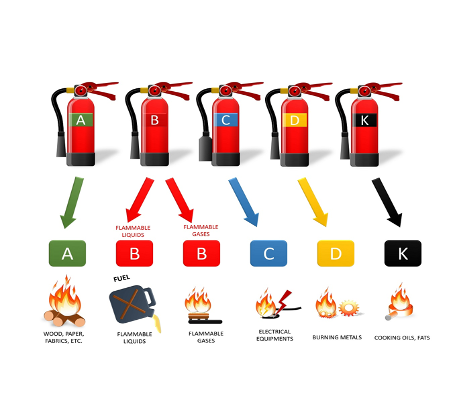
Understanding these classifications ensures that the correct extinguishing agent is used, preventing further damage or injury.
Fact 8: The Role of Fire Safety Officers
A fire safety officer plays a crucial role in maintaining fire safety standards in the workplace. Their responsibilities include conducting regular fire risk assessments, ensuring compliance with fire safety regulations, training employees, and leading fire drills.
They also oversee the maintenance of fire safety equipment and are typically the point of contact during a fire emergency. Having a dedicated fire safety officer ensures that fire safety remains a top priority in your organization.
For more on the responsibilities and importance of fire safety officers, refer to the National Fire Protection Association (NFPA).
Fact 9: Fire Safety Training for Employees
Fire safety training is essential for equipping employees with the knowledge and skills needed to respond effectively in the event of a fire.
Training should cover the use of fire extinguishers, understanding evacuation routes, and knowing how to activate the fire alarm system. Regular training sessions help keep fire safety top of mind and ensure that employees are prepared to act quickly and correctly.
Fact 10: The Future of Fire Safety Technology
Is the future fireproof? We might not have flying cars yet, but we do have AI that can detect fires before they start. It’s pretty cool! (we say so ironically)
Advancements in technology are continuously improving fire safety measures.
Innovations such as smart fire detection systems, which use AI to detect smoke and heat anomalies, and advanced sprinkler systems that can be remotely controlled are transforming how fires are detected and managed.
Additionally, the integration of IoT (Internet of Things) devices allows for real-time monitoring and alerts, enabling faster response times.
Staying informed about these emerging technologies can help businesses enhance their fire safety strategies and stay ahead of potential risks.
Fire Safety: Frequently Asked Questions
What are the most important elements of an effective fire safety program?
A strong fire safety program starts with identifying and eliminating potential fire hazards before they become a risk. This includes proper storage of flammable materials, routine inspection of electrical systems, and maintaining clean, organized workspaces. Just as important is ensuring that fire safety equipment—such as extinguishers, alarms, and sprinkler systems—is regularly inspected and fully operational.
Beyond prevention, preparation is key. Employees should be trained on fire safety procedures, evacuation routes, and how to use equipment if needed. Staying compliant with regulations, including OSHA guidelines, helps reduce liability while creating a safer environment for everyone.
How often should fire safety training be conducted?
Fire safety training should be conducted at least once a year for all employees, but that’s just the baseline. Any time there are new hires, changes to the workplace layout, or updates to safety procedures, additional training should be provided.
Regular refreshers are critical because they reinforce proper behavior and ensure employees don’t forget key steps during an emergency. The goal isn’t just compliance—it’s confidence. When people know exactly what to do, response times improve and panic is reduced.
What are the core fire safety requirements businesses need to meet?
Most workplace fire safety requirements focus on prevention, preparedness, and response. This typically includes maintaining fire detection and suppression systems, clearly marking and keeping exits accessible, and having a documented evacuation plan in place.
Employers are also expected to conduct fire drills, train employees, and ensure all safety equipment is up to code. Regulatory bodies like OSHA provide guidelines that businesses must follow, but going beyond minimum compliance is often what truly reduces risk.
What are the most practical fire safety tips every workplace should follow?
Some of the most effective fire safety practices are also the simplest. Keep all exits and pathways clear at all times so employees can evacuate quickly. Make sure fire extinguishers, smoke detectors, and alarms are easy to access and routinely inspected.
It’s also important to regularly check electrical systems, avoid overloading outlets, and store flammable materials properly. Consistent fire drills and employee training tie everything together, ensuring that safety protocols are actually followed when it matters most.
How do you create a fire safety plan for your business?
Building a fire safety plan starts with a thorough risk assessment to identify potential hazards specific to your workplace. From there, you can implement preventive measures—like equipment maintenance and safe storage practices—and define clear emergency procedures.
Your plan should outline evacuation routes, designate roles and responsibilities, and include communication protocols during an emergency. Once the plan is in place, it’s essential to train employees and run drills regularly. Reviewing and updating the plan over time ensures it stays relevant as your business evolves.
Why are fire drills so important in the workplace?
Fire drills are one of the most effective ways to prepare employees for real emergencies. They give teams the opportunity to practice evacuation routes, understand their roles, and become familiar with procedures in a low-risk setting.
This preparation reduces confusion and panic during an actual fire, leading to faster, more organized evacuations. Over time, drills help build muscle memory, which can make a critical difference when seconds count.
What role do fire safety officers play in workplace safety?
Fire safety officers are responsible for overseeing the entire fire safety program. They conduct risk assessments, ensure compliance with regulations, and coordinate employee training efforts. They also play a key role in maintaining and inspecting fire safety equipment.
During drills and real emergencies, fire safety officers help lead the response, ensuring procedures are followed and communication remains clear. Their role is essential in keeping fire safety both proactive and organized.
How can technology improve fire safety in the workplace?
Modern technology has significantly improved how businesses detect and respond to fire risks. Smart sensors and IoT-enabled systems can monitor environments in real time, identifying heat, smoke, or gas leaks before they escalate.
Automated alerts allow for faster response times, while integrated systems can trigger alarms, notify emergency services, and even activate suppression systems instantly. These tools not only reduce potential damage but also provide valuable data that can be used to improve safety protocols over time.
SafetyIQ brings incidents, inspections, training, journey management, lone worker safety and fatigue into one mobile app. Tell us about your crews and sites for tailored pricing.
Safety insights, straight to your inbox
New guides, monthly safety topics and SafetyIQ updates for EHS and operations leaders. Unsubscribe anytime.


Get a demo built around your sites, your teams, and the way your people work.
EHS, journey, and fatigue management software for field-heavy teams.

.png)

.png)