Safety Risk Assessment Software
Stop Incidents Before They Happen
Identify hazards from any phone, score every risk on one consistent matrix and track each control to close-out, with an audit-ready risk register across every site.








Risk registers in spreadsheets go stale, scores mean different things at different sites and controls sit unassigned. SafetyIQ keeps one live register for every hazard.
Every Hazard on One Register
Hazards from every site land in a single register with their location, owner, score and status, so nothing goes untracked.
One Way to Score Risk
A shared likelihood and severity matrix means a high risk at one site is a high risk at all of them.
Controls That Actually Get Done
Each control gets an owner and a due date, and the residual risk is re-scored once it is in place.
Always Audit-Ready
Every assessment, score change, control and review date stays on the register with its full history.
Identify, Assess, Control and Review Every Risk
One record per hazard, from the first photo to the score, the controls and every review after.
Capture Hazards and Score Them on One Matrix
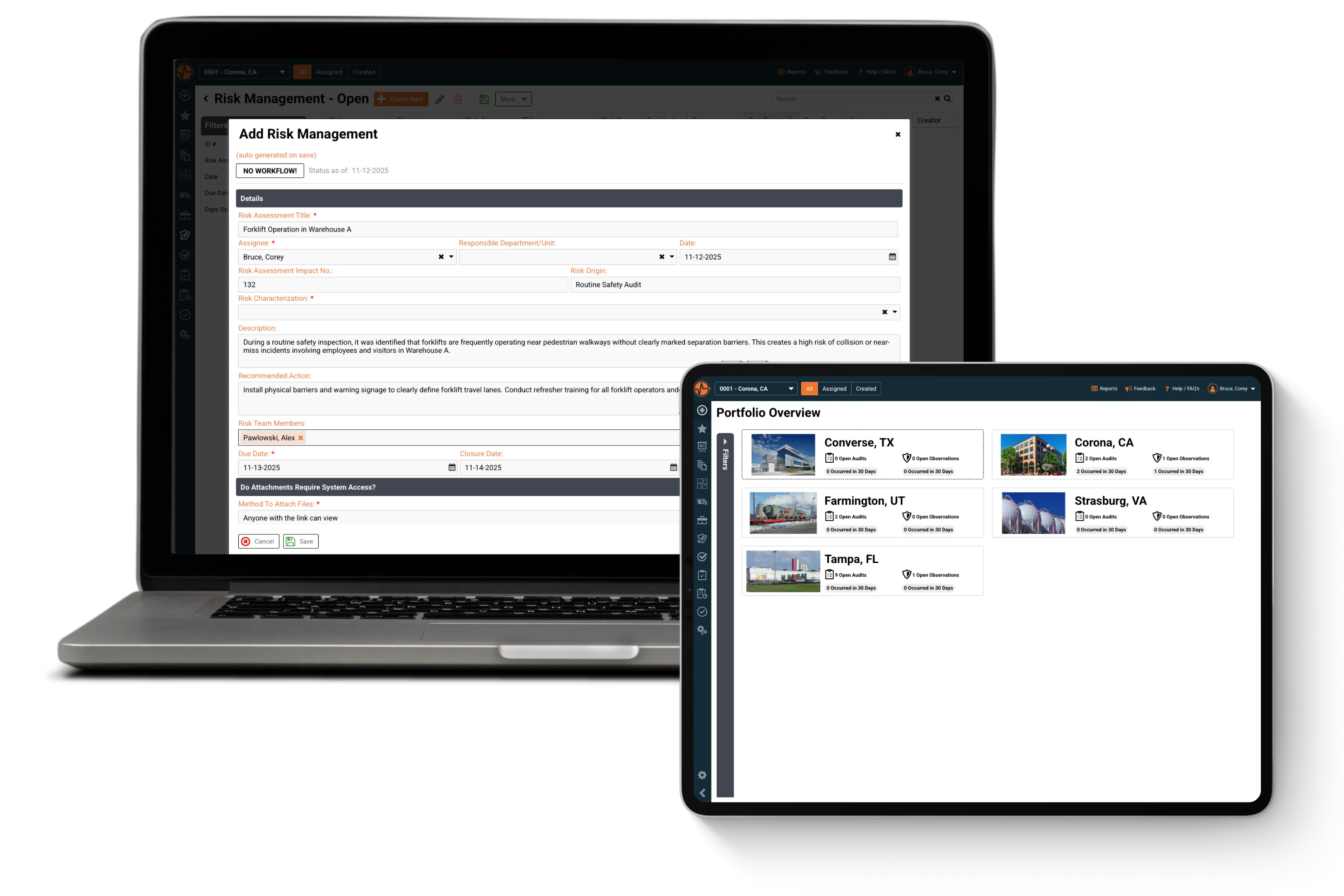
Workers log a hazard from their phone with photos, location and notes, online or offline, then rate likelihood and severity on your own scoring matrix so the worst risks rise to the top.
Track Every Control and Keep the Register Current
Pick controls in hierarchy order, from elimination down to PPE, assign each one with a deadline, and schedule reviews so the register is always ready for auditors and ISO 45001 reviews.
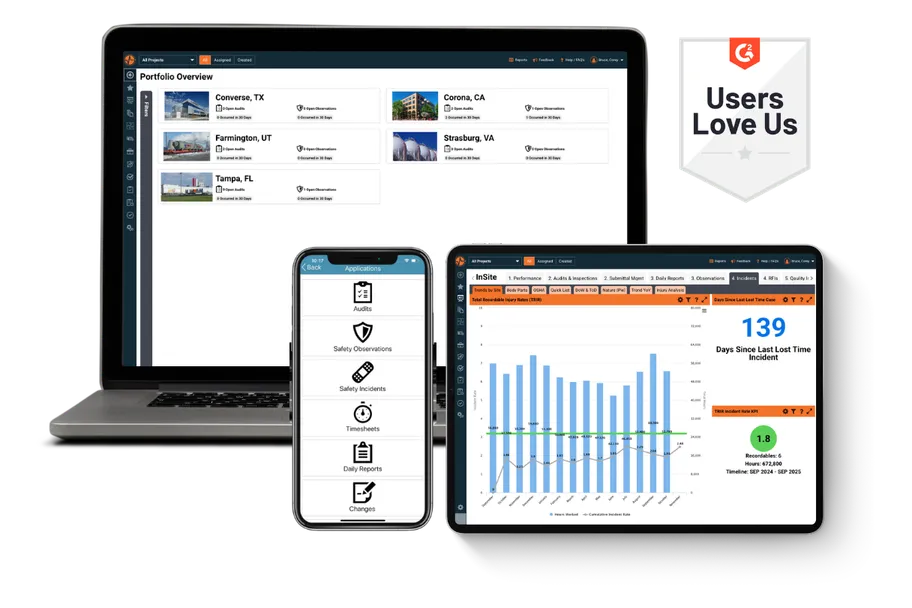
From Hazard Spotted to Risk Controlled, Every Time
Every hazard follows the same path, so risks never sit unscored or uncontrolled, and every step is on the record.
Identify
A hazard is logged from the field or the office, with photos and location.
Assess
Likelihood and severity are scored on one consistent matrix.
Prioritize
High and extreme risks are flagged automatically and rise to the top.
Control
Controls are assigned in hierarchy order, with owners and due dates.
Re-Score
Residual risk is re-scored once controls are in place.
Review
Scheduled reviews keep every risk current and audit-ready.
What Changes When Risk Leaves the Spreadsheet
A spreadsheet can list your hazards. Keeping scores consistent and controls on track is where it falls apart.
Consistent Scoring
One shared matrix replaces a different scale at every site, so a high risk means the same thing everywhere.
Controls
Every control has an owner, a due date and reminders, instead of a note in a cell nobody checks.
Audit Evidence
Each assessment keeps its assessor, date, rating, controls and next review on the record, ready for any auditor.
How to Assess a Workplace Risk, Step by Step
Whether you answer to OSHA in the US or a WHS regulator in Australia, the core loop is the same: find the hazard, rate how bad it could get, control it in the right order and check the controls still work.
Find the Hazard
Walk the site with workers, review incident and near-miss records, manuals and Safety Data Sheets, and plan for non-routine work like maintenance and start-ups.
US: OSHA Recommended Practices · AU: WHS Reg. 34
Rate Likelihood and Severity
Weigh how severe the outcome could be, how likely it is and how many workers are exposed, then deal with the highest risks first.
US: OSHA action item 6 · AU: WHS Reg. 35 · ISO 45001
Control It in the Right Order
Eliminate the hazard if you can. If not, substitute it, engineer it out, change how the work is done, and use PPE last.
US: NIOSH hierarchy · AU: WHS Reg. 36
Check the Controls Still Work
Recheck controls when they stop working, before a change at work or when a new hazard appears. In Australia, workers or a health and safety representative can also ask for a review.
US: OSHA Recommended Practices · AU: WHS Reg. 38
Score Every Risk the Same Way, at Every Site
Likelihood × severity on one 5 × 5 matrix. Here is the Aisle 4 forklift risk before and after fixed barriers and a speed limiter.
Outlined in blue: inherent risk at 16 and residual risk at 6, after controls.
Work Down the List, Not Up It
Controls for the Aisle 4 forklift risk, ranked from most to least effective. SafetyIQ asks for controls in this order, so the strongest options are always considered first.
NIOSH in the US and the WHS Regulations in Australia both rank PPE as the last resort, because it only works when it is worn correctly every time. Eliminating or engineering out the hazard protects people without relying on what they do.
Separate forklift and pedestrian routes entirely
Use a walk-behind pallet jack in the picking aisle
Fixed barriers and a speed limiter on the truck
Exclusion zones, spotters and shift briefings
Hi-vis vests for anyone on the floor
US: NIOSH hierarchy of controls. Australia: WHS Regulation 36 sets the same order.
What a Risk Assessment Record Needs to Hold Up in an Audit
Whether it’s an OSHA inspector, an ISO 45001 auditor or a WHS regulator asking, these are the four things a risk assessment record should show. SafetyIQ captures each one as the assessment is done.
Where and What Was Assessed
In the US, OSHA’s PPE hazard assessment rule asks for a written certification naming the workplace evaluated.
Who Assessed It and When
The same rule requires the person certifying the assessment and the date it was done.
How the Risk Was Rated and Controlled
OSHA weighs severity, likelihood and exposure, and Australia’s WHS Regulations require controls to be chosen in hierarchy order.
When It Will Be Reviewed
OSHA expects controls to be checked that they still work, and Australia’s WHS Regulations require a review when controls fail or the work changes.
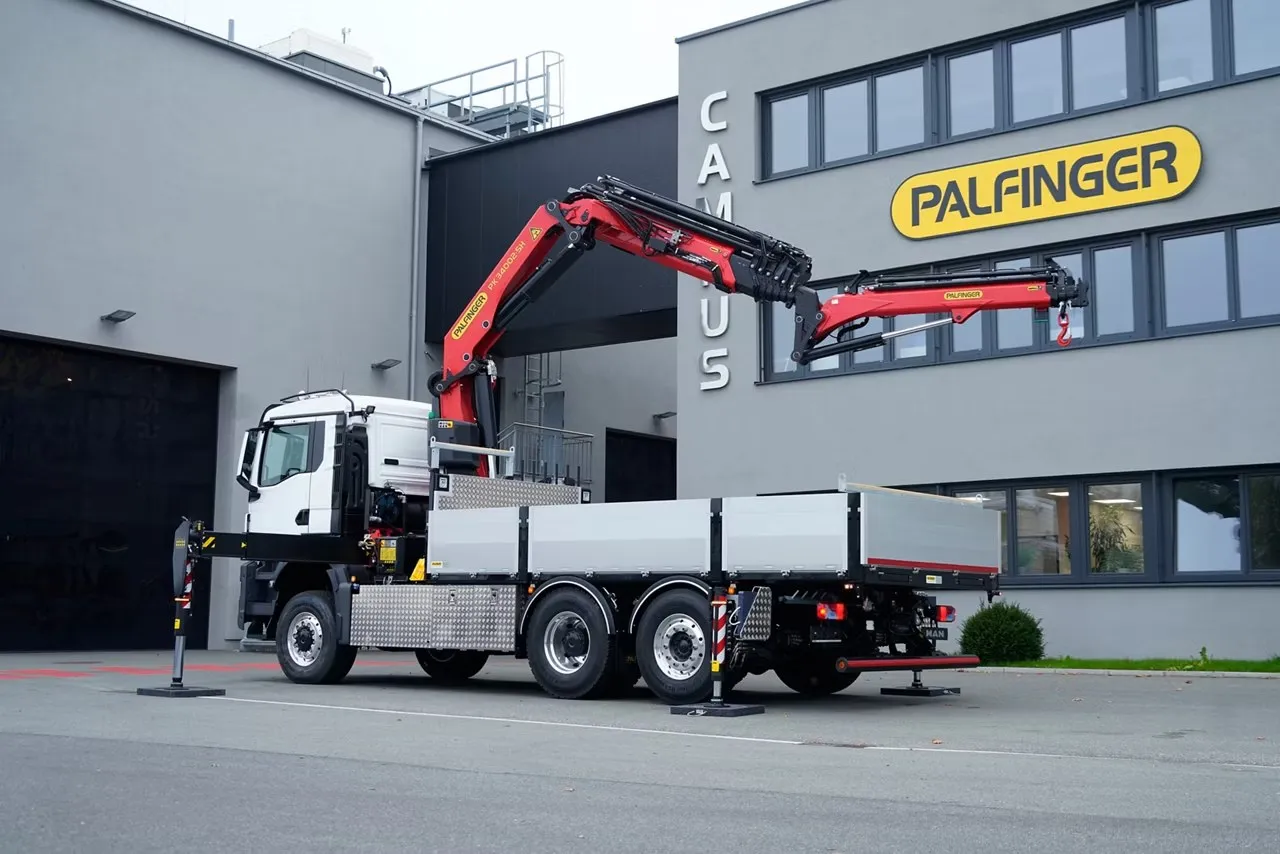
Palfinger gave its workforce one system to report hazards, log incidents and complete audits from any device, moving its aerial lift truck division from reactive to preventative safety.
“Workers Comp direct cost alone has been reduced by almost one million dollars in the last two years, so I would say there is plenty of evidence of what a good safety management system can do to benefit a company.”
Get the Free Job Safety Analysis Template
A ready-to-use JSA template to break a task into steps, spot the hazards in each one and record the controls.
Start with the modules you need today and add more as your safety program grows, all on one connected platform.
View All Modules›Audits & Inspections
Mobile checklists and inspections, with corrective actions tracked to close-out.
Incident Management
Report, investigate and close out incidents faster, with a full record of every step.
Safety Observations
Capture behaviors, hazards and near misses from the field in seconds.
Training Management
Keep certifications current and see who is trained for every task.
Journey Management
Plan, track and escalate every trip, with alerts the moment a check-in is missed.
Risk Management
Assess, rate and control risks with consistent assessments across every site.
Trusted by Safety Teams in the Toughest Industries
Rated highly by the people who use it every day, from the field to the boardroom.

“The user interface looks clean and is easy to use, and the technical support from the SafetyIQ team has felt like a partnership from day one.”

“We have found SafetyIQ to be a functional, practical solution that works well for us.”
“The transition was one of the easiest undertaken for change management, with excellent support from the SafetyIQ team.”



Safety Risk Assessment Software FAQs
What Is a Safety Risk Assessment?
+
Why Is Risk Management Important in the Workplace?
+
How Does Safety Risk Assessment Software Support Safety Goals?
+
What Should a Risk Assessment Record Include to Hold Up in an Audit?
+
Can Risk Management Software Be Used Across Different Industries?
+
How Often Should Safety Risk Assessments Be Conducted?
+
Speak with a SafetyIQ expert to see how one connected platform can keep your people safe, from the start of every shift to the end of every job.
Request a Demo›EHS, journey, and fatigue management software for field-heavy teams.


