
Halloween Safety Tips for Workplaces
Halloween brings dark roads, distracted pedestrians and costume hazards. Practical Halloween safety tips for drivers, field crews, lone workers and the office.
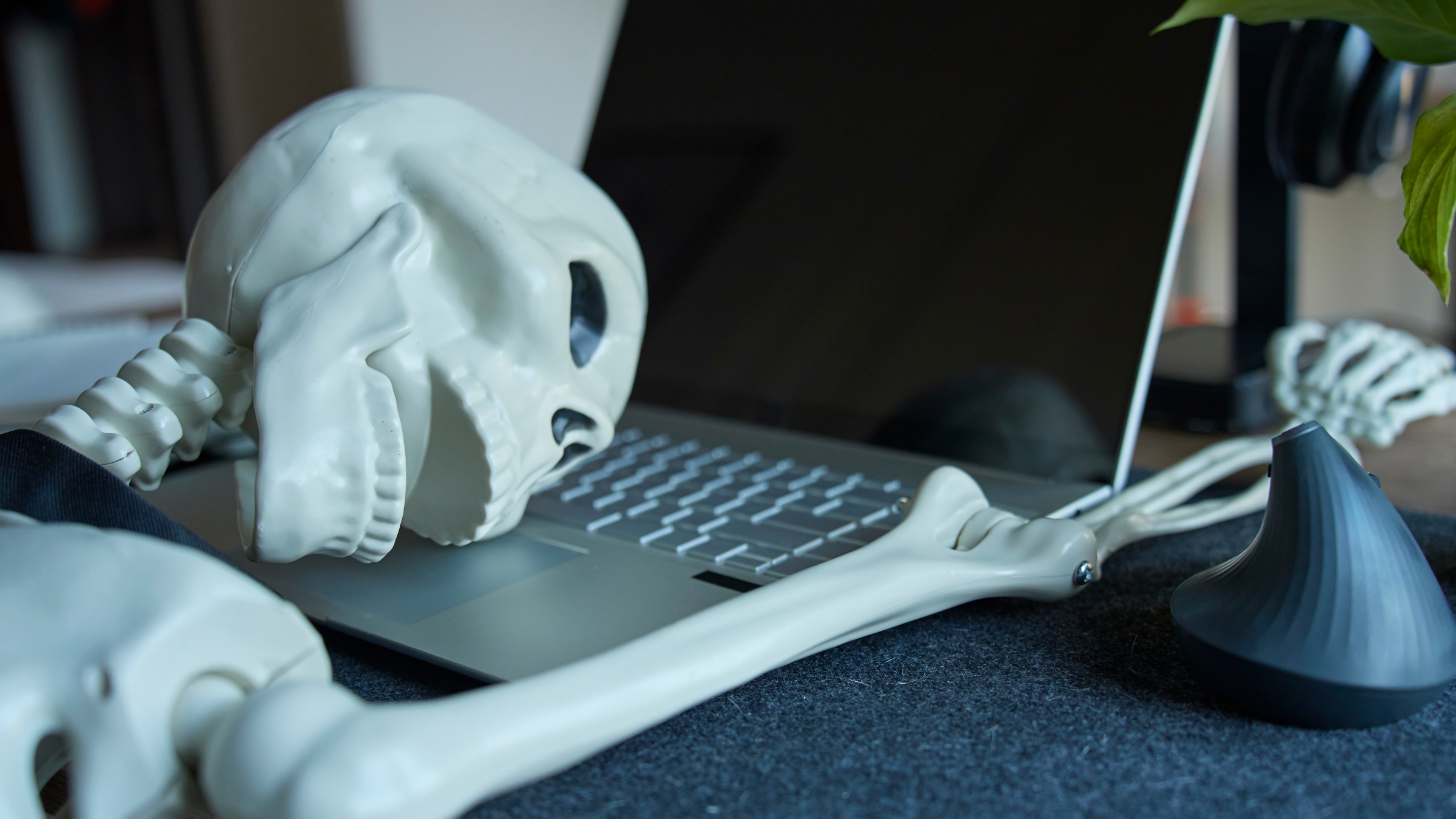
Halloween is mostly about candy, costumes and the odd fake spider in the break room. But for anyone who drives for work, works alone or heads home at dusk, it's also one of the riskiest evenings of the year.
This year Halloween falls on a Saturday, and daylight saving time ends the very next morning. That means a busy weekend of trick-or-treaters, followed by a week of darker evening commutes. Here's how to keep your crews, drivers and office safe through both.
Why Halloween is riskier than it looks
The biggest Halloween hazard isn't a costume. It's the road.
A study published in JAMA Pediatrics, covering more than four decades of US crash data, found the risk of pedestrian deaths was 43% higher on Halloween than on comparison nights. For children aged four to eight, the risk was about ten times higher. The most dangerous window was 5 p.m. to 8 p.m., exactly when many field workers are driving home.
Put dark costumes, excited kids darting between parked cars and a tired driver at the end of a long shift together, and it's easy to see why. The US Department of Transportation has also flagged drunk driving as a major factor on Halloween night, for drivers and pedestrians alike.
Halloween safety tips for drivers and field crews
Plan journeys around the 5 to 8 p.m. peak
If your crews travel through residential areas on Halloween evening, treat it like any other high-risk journey. Where you can, schedule work so people finish early or avoid suburban routes during peak trick-or-treat hours. Journey management with a planned route, expected arrival time and check-ins makes it easier to spot a driver who's running late or rushing.
Slow down in neighborhoods
Remind drivers to drop well below the speed limit in residential streets, take extra care pulling in and out of driveways, and expect children to step out from between parked cars. A few extra minutes on the drive home is a small price.
Watch for fatigue
Halloween falls at the end of the week this year, and the clocks change on Sunday morning. Tired drivers react more slowly, and dusk is already hard on the eyes. Encourage a quick fatigue check before long drives home, especially after a run of consecutive shifts.
Put the phone away
Distraction and darkness are a bad mix. No calls, texts or navigation fiddling while driving through busy neighborhoods. Set the route before leaving the yard.
Have a plan for the Halloween party
If your team is celebrating after work, make sure nobody drives after drinking. Offer rideshare credits, designate drivers or keep the celebration alcohol-free.
Safety tips for lone and remote workers
Halloween evening can be unpredictable for people who work alone in the community, such as utility technicians, home health workers, field service teams and inspectors.
- Avoid unnecessary home visits after dark on Halloween where you can reschedule.
- Expect more people and pets at the door. Front doors open constantly, and nervous dogs can slip out.
- Keep check-ins on schedule. A lone worker check-in or SOS option means someone knows where workers are if a visit goes wrong.
- Park somewhere well lit and away from crowds of trick-or-treaters.
Halloween safety tips for the workplace
Costumes and PPE don't mix
Dressing up at the office is fun, but costumes don't belong on the shop floor or the job site. Loose fabric, capes and trailing accessories can catch in machinery, masks restrict vision, and costumes can't replace hi-vis, hard hats or safety glasses. If you allow dress-up days, limit costumes to office areas or keep them to simple accessories that don't interfere with PPE.
Decorate safely
- Use LED candles instead of real flames, especially near paper decorations and hay bales.
- Keep walkways, fire exits and extinguishers clear of decorations.
- Use a proper step ladder, not a desk chair, to hang decorations up high.
- Don't overload power strips or run extension cords across walkways where people can trip.
- Watch out for fog machines setting off smoke detectors or making floors slippery.
Be mindful of food allergies
Shared candy bowls are a Halloween staple. Label treats that contain nuts or other common allergens, and keep a few allergy-friendly options on hand.
Get ready for the clocks going back
Daylight saving time ends the morning after Halloween. From the following week, many workers will drive home in the dark for the first time in months. It's a good moment to:
- Remind drivers to check headlights, wipers and windshields.
- Review routes and schedules for crews working late in the day.
- Give extra attention to fatigue and journey check-ins for the first week or two as people adjust.
A quick Halloween safety checklist
- Brief drivers on the 5 to 8 p.m. risk window and residential speed.
- Reschedule non-essential evening home visits.
- Confirm journey and lone worker check-ins are switched on.
- Keep costumes out of operational areas and away from PPE.
- Walk the office to check decorations, cords and exits.
- Arrange safe rides home from any after-work celebration.
- Plan for darker commutes once the clocks go back.
Halloween should be about treats, not trips to the emergency room. A little planning keeps your people safe on the road, on site and at the office party, so everyone gets home to enjoy the candy.
SafetyIQ brings incidents, inspections, training, journey management, lone worker safety and fatigue into one mobile app. Tell us about your crews and sites for tailored pricing.
Safety insights, straight to your inbox
New guides, monthly safety topics and SafetyIQ updates for EHS and operations leaders. Unsubscribe anytime.


Get a demo built around your sites, your teams, and the way your people work.
EHS, journey, and fatigue management software for field-heavy teams.

.png)

.png)