Hazard Identification: Safeguarding Workplace Safety
Discover the crucial role of hazard identification in workplace safety. Learn methods, tools, and benefits for a safer, compliant workplace.
Putting employee safety first is becoming a must in today's competitive market. But how can businesses do this?
Sadly, missing this important factor will have terrible results. The ILO says that nearly 2.3 million accidents at work killed people and hurt or harmed millions more in 2022. The ILO says these things cost 3.9% of the world's GDP, or $3 trillion.
Therefore, concerning hazard identification, safety managers should know the following things that this guide covers:
- What is hazard identification, and how important is it?
- Different kinds of workplace risks
- Practical ways to find dangers in an orderly way
- Pick the right tools for identifying hazards
- Keeping risks under control with answers
- Identifying risks in everyday tasks
- Constantly getting better at spotting trouble
- Tips on how to deal with common issues
Finding and reducing risks is how organizations can reach ZERO HARM.
Understanding Hazard Identification
Hazard identification is a crucial step in any workplace safety program. But what is the actual difference between hazards and hazard identification?
Hazard:
A hazard is any risk at work that comes from physical, chemical, biological, ergonomic, or social factors. Dangers put people, property, and the world at risk.
Hazard Identification:
Finding, analyzing, and writing down potential workplace risks/dangers is part of hazard identification/detection. Finding events or habits that are harmful. This hazard finding is a necessary step in making and implementing safety measures that lower risks and keep workers safe.
The main areas where they both get separated in their terminologies are:
AspectsHazardHazard IdentificationFocus Specific riskSystematic processNature Varied (physical, chemical, etc.)Identifying conditionsPurpose Recognizing harmAssessing and documentingOutcome Risk to well-beingSafe work environment
You can't put safety steps in place until you know what the hazard is. Some businesses don't do this and only deal with risks after something bad happens. This reactive method has many problems, such as hurting employees and beyond.
ALSO FIND ABOUT: Safety Observations vs Hazard Identification
Why Is It Important To Identify Hazards In The Workplace
These are some reasons to identify hazards in the workplace that you must know:
Ensuring Employee Safety and Health
Neglecting the safety of staff by not finding and reducing risks is a sign of carelessness.
It is both the law and the right thing to do to take safety measures. Being cared for makes workers more engaged, motivated, and productive.
Bad working conditions can lower morale, cause more people to leave their jobs, and hurt your company's image. Finding hazards shows that you care about the safety of your employees.
Legal and Regulatory Compliance
Most countries have safety rules that businesses must follow:
- Risk assessments, workplace visits, record reviews, and employee consultations can all help you find hazards.
- Keep workers safe by getting rid of risks.
- Give your staff safety gear and training.
- Keep track of crashes, illnesses, and injuries that happen at work.
Businesses that break these rules may get fined. To give an example:UK companies can be fined forever if they break health and safety rules and workers die as a result. Some crimes are worth £10 million.Businesses can be fined by OSHA up to $70,000 per violation. For willful or repeated violations, the fines are higher.Australian companies that don't follow WHS rules can be fined $3 million. People could get five years in jail.
Financial Implications
Hazard detection and reduction benefit businesses. Medical bills, legal fees, higher insurance rates, and property damage result from unresolved workplace hazards. Detecting risks early saves businesses money.
Medically reviewed workplace injuries cost $42,000 in medical expenditures and lost productivity, according to the National Safety Council. So, preventing injuries with hazard identification lowers medical costs (which is needed for employees' well-being surety).
Enhancing Productivity and Quality
Several studies have shown that companies that are safe and know what risks they face are more productive. There are fewer injuries, so workers can do more work.
Ergonomic workplace design keeps workers comfortable and effective by preventing repetitive strain injuries.
Building a Positive Workplace Culture
By prioritizing hazard identification and mitigation, firms show they care about employee safety. This fosters trust and caring, which changes organizational culture. This includes:
- Employee retention
- Recruitment
- Firm reputation
- Engagement and morale
So, consider it an investment that boosts recruitment, retention, reputation, morale, and productivity.
Proactive vs. Reactive Approaches
Businesses can avoid injuries, sicknesses, and disasters by being proactive. Empowering workers to disclose risks improves safety. Active safety leadership shows employees the organization cares.
In contrast, reactive safety management is disorganized. Hazards are addressed after problems arise, increasing accident and near-miss risk. Reactive companies may prioritize short-term solutions over prevention.
Types Of Workplace Hazards
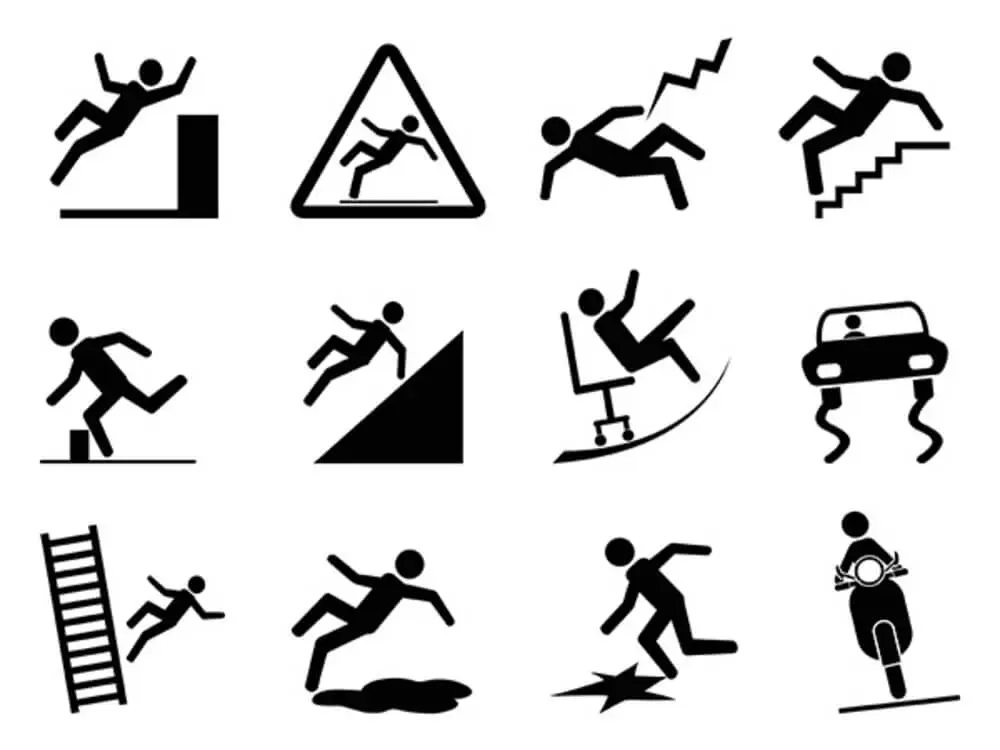
If not detected and controlled, workplace hazards can harm worker health, safety, and well-being. There are several main types of workplace hazards that businesses might encounter:
Chemical Hazards
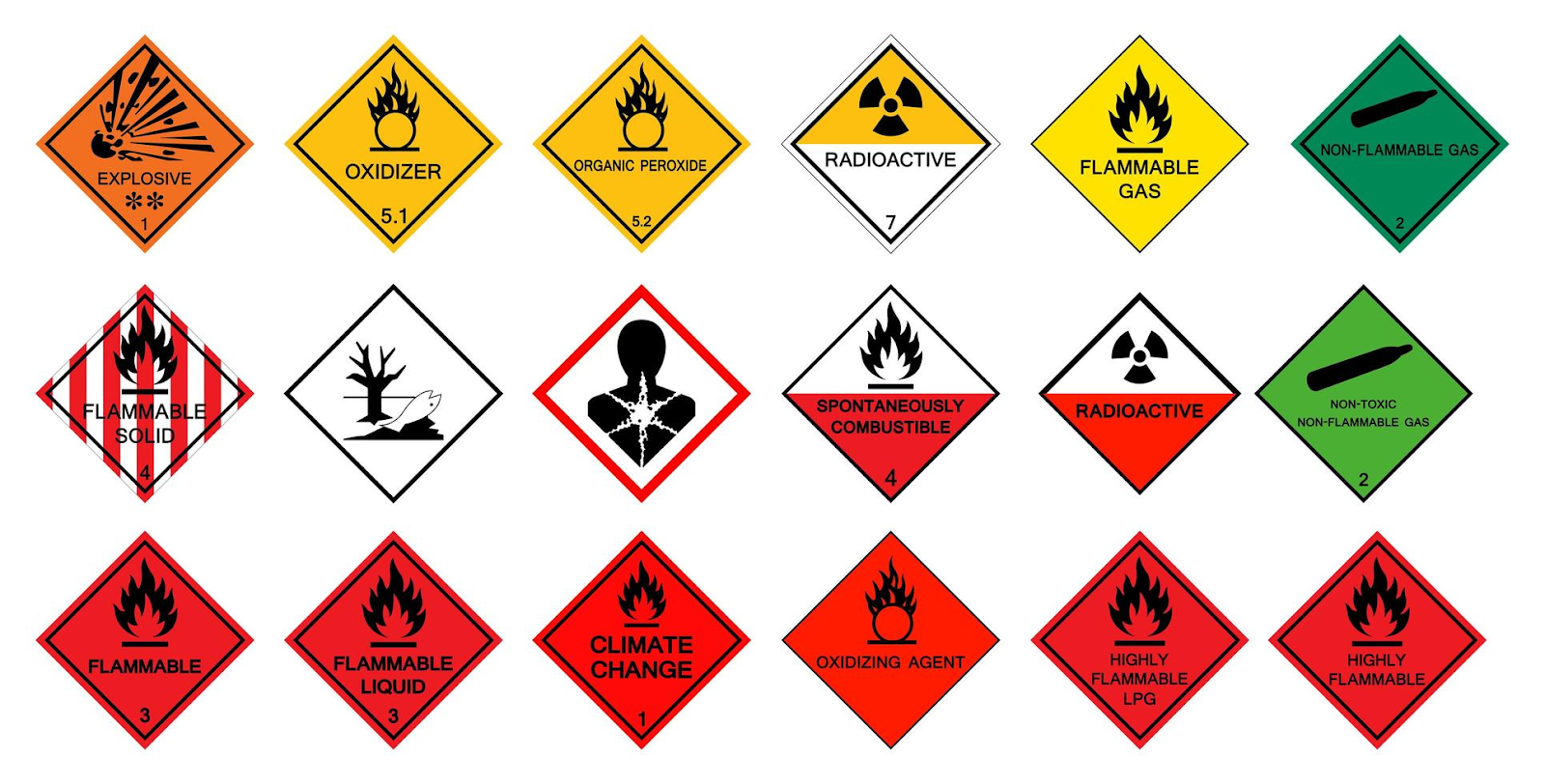
Chemical risks come from things that are used at work that are toxic or have other bad effects on health.
Biological Hazards
Biological hazards come from things like organic matter, microorganisms, or poisons that can make people sick.

Ergonomic Hazards
Ergonomics risks or hazards come from the way a workplace is set up, the tools that are used, and doing the same things over and over that put stress on the body.

Psychosocial Hazards
In the workplace, there are things that can hurt your mental health and well-being that are called psychosocial risks.

To properly measure and control the safety risks in any workplace, you must first be able to recognize these different dangers.
Steps for Identifying Hazards
Systematically identifying workplace dangers is very important. A number of important steps should be taken by organizations:
Step 1: Observation and Inspection
Every place of work needs to be checked over often and carefully. Check the storage areas, rooms that aren't used very often, behind tools, and main work areas.
[Make a list to help you do a full evaluation. Arrange for regular checks.]
Step 2: Employee Consultation
Ask employees for comments because they know the workplace best. As a way to get feedback, you could meet often, have an anonymous idea box, or send out safety questionnaires.
[Encourage workers to report dangers without fear of being punished.]
Step 3: Accident and Incident Records
Pay close attention to accident and incident records. Look at the specifics to find trends that could point to dangers or situations that keep happening and need your immediate attention. All events should be written down.
Step 4: Health Monitoring Data
Check the health issues, injury rates, and illness records of your employees. This information can help find hazards that appear slowly, like chemical or ergonomic risks.
Assist the workplace health staff in looking at the monitoring data.
How To Select The Right Tool For Hazard Identification
Assess Your Workplace Needs
While assessing your workspace needs, here are some key factors to consider:
Workplace Size
- A multinational company with hundreds of employees may need improved reporting. Small companies with small staff may stress UX and simplicity.
- Large organizations should integrate HR and data. Independent tools help small teams.
Nature of Work
- Assessment of work and risk. Factory and construction sites face different hazards than offices.
- Consider daily risks. Mines may need more intricate instruments than stores.
- Checks should be location, function, machinery, and more flexible.
Industry-Specific Risks
- Threats differ by industry. Know field threats.
- You can check by industrial testing, risk libraries, and modules. No restart is easy.
- Use hazardous industry best practices from trade or standards bodies.
- Odd or urgent risks may necessitate a customized instrument with inspections.
Choose the optimal risk identification method for your firm by considering these workplace aspects.
Understanding Different Types of Tools
Each sort of hazard identification tool has merits and cons.
- Checklists
Checklists are conventional hazard identification tools. They entail making a list of dangers/hazards/risks conditions that personnel can review to identify risks.
Pros:
- Easy and affordable
- Easy to use with little training
- Customizable for work areas or tasks
Cons:
- Dependent on workers' memory and diligence
- Can become repetitive and ineffective.
- Low analysis capacity
- Software Solutions
Digitalize and automate hazard identification with specialized software. Survey tools, risk analysis programs, and safety management platforms are examples.
Pros:
- Automation of analysis and reporting
- Centralized data and records
- Integrates with other systems
- Advanced customization and configuration
Cons:
- Training, IT infrastructure needed
- Pricey due to licenses and service contracts
- Depends on regular use and data
- Mobile apps
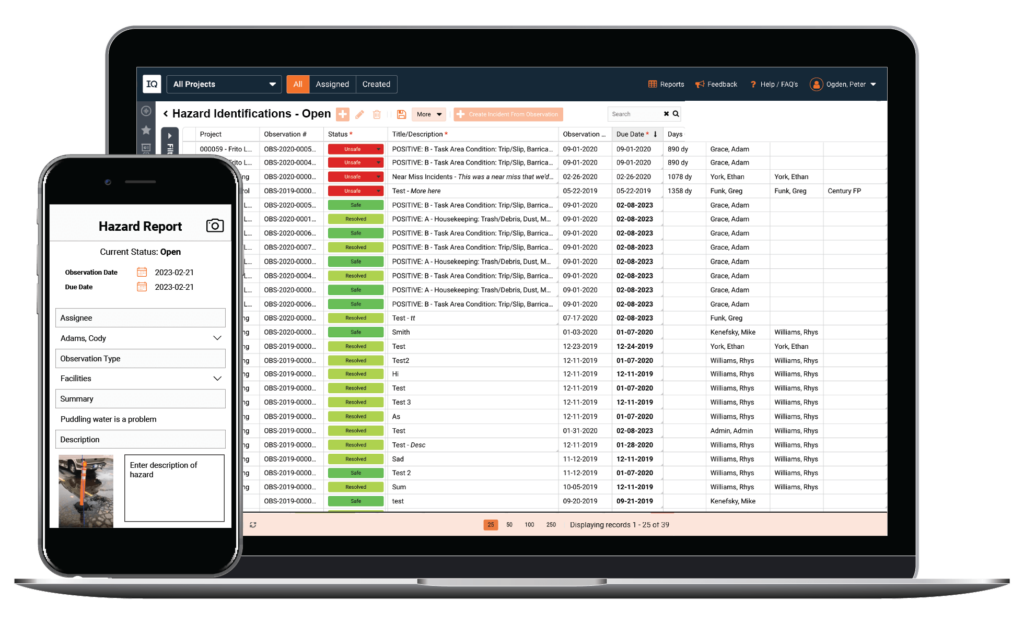
Smartphones and tablets can identify digital hazards via apps. These help field workers locate and report hazards.
Pros:
- Worksite reporting in real time
- Photo and video capabilities
- Geotagging, location services
- Engaging and simple interface
Cons:
- Organization-wide acceptance required.
- Possible app or technical issues
- Smaller screens impede data entry.
- Monitoring Equipment
Automated sensors and meters can detect gas leaks, noise, radiation, and more in workplaces.
Pros:
- Automatic 24/7 hazard monitoring
- Discovers hazards workers may miss
- Logging and analysis
Cons:
- High gear costs
- Technical expertise needed
- Only tracks specific threats
Consider User-Friendliness and Accessibility
Hazard ID tools should be simple to understand and use without any training. Ask workers at every level what they think is simple and easy to use. The tool should make it easier to report dangers. Bugs in usability could be found before they are put into action through user testing and comments.
It's also important to make sure that all employees can get to the dangerous tools. People who have disabilities or language issues may need translators or assistive technology.
Mobile apps should follow universal design standards to make them as accessible as possible. Think about how to make hazard identification tools more accessible.
Evaluate Features and Capabilities
You should look at the most important features and functions of risk spotting tools to see if they meet the needs of your business. Important things to think about:
- Customization Options
- Reporting Capabilities
- Integration With Other Systems
- Demos and Free Trials
When picking hazard spotting tools, you should give careful thought to how they work and what features they have that can make a safe workplace.
Adoption and effect depend on how well technologies fit the needs and setting of the organization.
Budget and Resource Allocation
Think about your budget and available tools when picking a risk identification method. It's possible that cheap tools won't be the best deal in the long run. Look at the pros and cons of each choice over the long run. Here are some ideas:
- Think about more than just the one-time or recurring fees.
- What will the tool cost you in the long run?
- Costs vs. expected gains.
- Pick tools for the places that cause you the most pain and risk.
- Talk to sellers to get the most value for your money.
- Use tax credits, rebates, and government help to lower costs.
- If you need to, start small. Many tools are scalable.
The goal is to get cheap tools that meet your needs. Strategic planning lets you put money into making a safe workplace and identifying hazards.
Review and Feedback
How to get useful reviews about tools???
- Talk to people at work, in your network, in your business, or in online communities who use the things you're thinking about buying.
- Ask specific questions to get helpful answers.
- Get feedback from users with a range of needs and points of view.
- Find out how online communities use the tool.
- To see if it fits, ask about improvements and ways to get around problems.
- Think about the pros and cons of each tool.
- Ask them why they think the tool is good.
- Do more than one review to find trends.
NOTE: You can learn from people who use the tool by looking at their comments and experiences. Their lack of bias could back or disprove your points of view.
How Can You Create a Safety Workplace Culture with SafetyIQ
Building a strong safety culture in the workplace is more than just crossing things off a list and putting up signs. It's about getting people to take responsibility so that everyone can find risks and lower them. That's why SafetyIQ is here to help you change your safety plan and make your workplace truly safe and healthy.
How are businesses employing this tool for their safety management duties like a pro?
Enhancing Safety Awareness with SafetyIQ

Using the tool, managers can have a central hazard database that simplifies hazard, risk, control, and documentation administration. Staff/employees can submit reports via mobile devices, reducing paperwork and encouraging proactive hazard reporting.
Control measure management on the platform instantly assigns and alerts corrective actions. This robust reporting and analytics from SafetyIQ identify threats, controls, incident patterns, and provide continuous improvement opportunities.
Quick Navigation of Tasks and Actions
Prioritizing tasks with urgency helps resolve critical issues quickly. Automatic reminders help stakeholders remember tasks.
The dashboard of SafetyIQ provides safety managers with all current tasks and actions. This identifies proactive management challenges and bottlenecks.
[DOWNLOAD OUR FREE HAZARD MANAGEMENT GUIDE]
As the tool shows what the company does for safety training, it makes sure that all workers know what to do in case of an emergency.
Proactive Hazard Identification and Management
SafetyIQ is different because it puts a lot of focus on finding possible dangers before they happen.
With this tool, workers can easily report possible hazards, which helps to build a mindset of taking action to avoid problems.
Companies can deal with possible risks before they get worse by using SafetyIQ. This makes the workplace safer altogether, and this can be done by collecting data on machine inspections and cases of close calls.
Fostering a Culture of Safety
In addition to finding and controlling potential dangers, SafetyIQ also helps the company build a culture of safety. As a result of centralizing safety data, the technology makes things more open and accountable.
All employees are more committed to safety when they know they have a part to play in keeping the workplace safe.
Monitoring and Improving Safety Performance
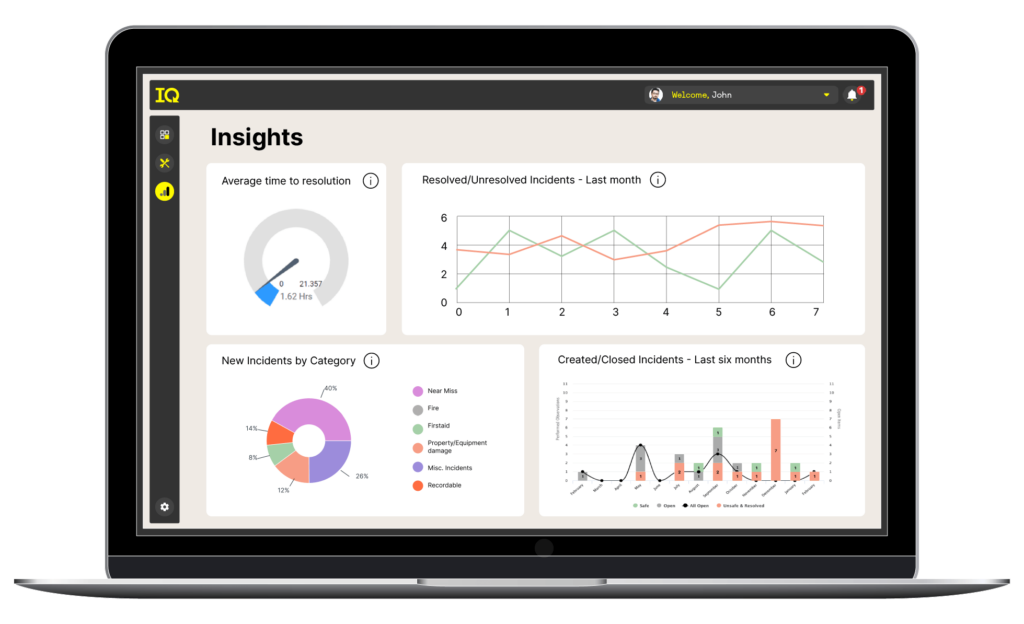
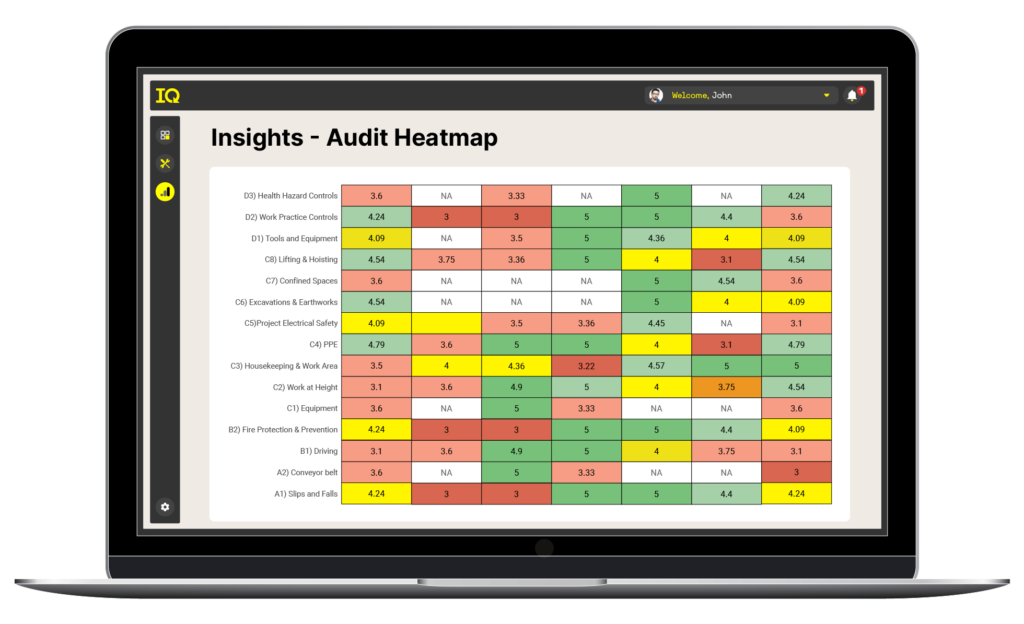
Organizations can get a full picture of safety processes through SafetyIQ, which lets them keep an eye on and evaluate how well safety measures are working.
The app's screens show event trends and risky areas by drawing attention to them from a distance.
Companies can make decisions based on correct data with this method. This makes sure that safety measures are always getting better and that problems are fixed before they get worse.
Take Action for Workplace Safety Today!
It's more than just software; SafetyIQ is a partner in making the workplace safer.
To make safety a goal and a way of life, use its features and follow its ideas of open communication, proactive risk management, and continuous improvement.
Key Takeaways:
- Everyone can help make things safer with SafetyIQ because it's easy to share information and make reports.
- With real-time knowledge and visibility, hazards can be found and dealt with.
- Customized training, predictive data, and praise all help to improve safety.
- SafetyIQ has a lot of tools for tracking success and making things better.
So, are you ready to make your workspace safer?
Go to SafetyIQ right now to keep track of your safety program THAT NEVER FAILS.
Frequently Asked Questions
How Does Hazard Identification Improve Workplace Safety?
Identifying hazards proactively allows for their mitigation, reducing accidents, improving employee well-being, and ensuring legal compliance.
What is the Role Of Hazard Identification In Creating A Positive Workplace Culture?
It fosters a culture of safety by demonstrating an organization's commitment to employee well-being, enhancing morale, and positively impacting its reputation.
Can Hazard Identification Save Costs For A Business?
Yes, it can reduce costs associated with accidents, medical expenses, legal fees, and insurance premiums, leading to long-term financial benefits.
How Often Should Hazard Identification Be Conducted?
Hazard identification should be a regular and systematic process, conducted whenever there are changes in the workplace or processes.
Where Can I Find Resources For Hazard Identification In The Workplace?
Resources can be found through safety organizations, training programs, and safety management tools, tailored to specific workplace needs.
SafetyIQ brings incidents, inspections, training, journey management, lone worker safety and fatigue into one mobile app. Tell us about your crews and sites for tailored pricing.
Safety insights, straight to your inbox
New guides, monthly safety topics and SafetyIQ updates for EHS and operations leaders. Unsubscribe anytime.


Get a demo built around your sites, your teams, and the way your people work.
EHS, journey, and fatigue management software for field-heavy teams.

.png)

.png)