
The Aussie Ute Checklist Before You Hit the Outback
Heading bush for work? Use this outback ute checklist covering tyres, recovery gear, water, sat comms, fatigue and wildlife so your crew gets home safely.
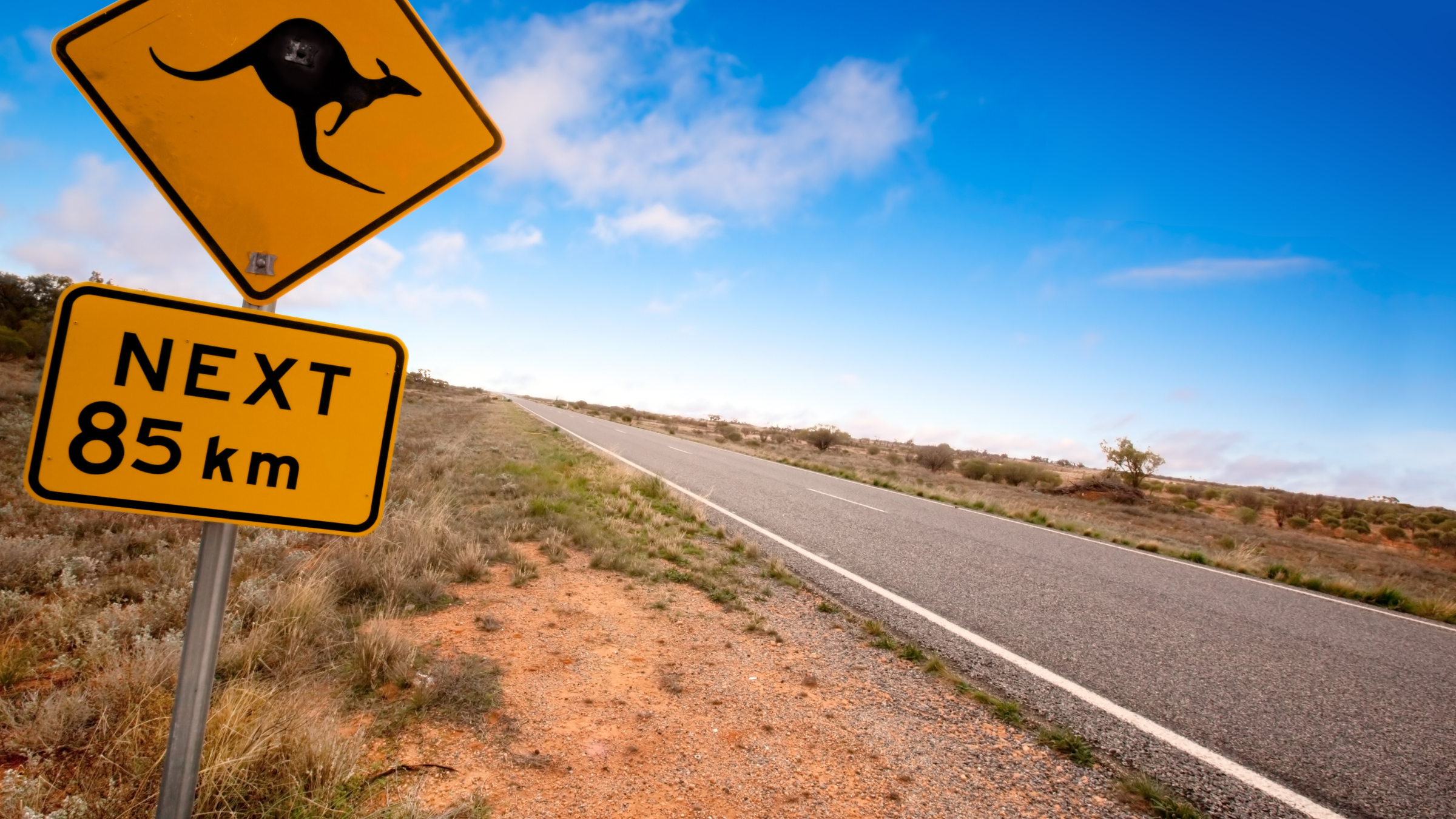
Before You Point the Bonnet at the Horizon
There's nothing quite like an outback drive. Red dirt, big skies and not another car for 200 kilometres. For a lot of Aussie workers, it's also just Tuesday. Mine site visits, pastoral station jobs, pipeline inspections, telco repairs and survey work all mean long hours behind the wheel of a ute, a long way from help.
That distance is exactly what makes outback driving risky. A flat tyre that's a nuisance in the city can become a genuine emergency when the nearest town is five hours away, the phone has no signal and it's 44 degrees in the shade. Except there's no shade.
This checklist covers everything to sort before you leave the yard: the ute itself, recovery gear, survival supplies, communications and a proper journey plan. It's written for workers and the safety teams who send them out, but it works just as well for your next long weekend.
Why Outback Driving Is a WHS Issue
If your job puts you behind the wheel, that ute is your workplace. It comes with the same duty of care as a factory floor.
Vehicles Are the Biggest Killer at Work
According to Safe Work Australia, 200 workers were fatally injured at work in 2023. Vehicle incidents were the largest single cause, accounting for 42% of worker fatalities (84 deaths). No other hazard comes close.
Remote Work Has Specific Legal Duties
The model WHS Regulations include a specific rule for remote or isolated work (regulation 48). Businesses must manage the risks to remote or isolated workers and have systems in place to communicate with them effectively. Driving solo across the Nullarbor or out to a remote station usually falls squarely into that category.
In practice, that means "give us a bell if something goes wrong" isn't enough. You need a plan, reliable communication and someone who notices when you don't check in.
The Ute Checklist
Start with the vehicle. A good pre-trip check takes 15 minutes and can save you a very long walk. If your company has a fleet vehicle maintenance checklist, use it, then add the outback extras below.
Tyres and Wheels
Tyres are the number one reason utes get stranded in the bush.
- Tread depth and sidewalls checked for cuts, bulges and stones
- Pressures set for the road type (lower for sand and corrugations, back up for bitumen)
- Two spare tyres for long unsealed routes, not just one
- Jack, wheel brace and a jack base plate for soft ground
- Tyre repair kit and a 12V air compressor
- Tyre pressure gauge
Engine, Fluids and Filters
- Engine oil, coolant, brake and power steering fluid topped up
- Air filter clean (bulldust clogs them fast)
- Fan belts and radiator hoses checked for cracks
- Battery terminals clean and tight; dual battery charged if fitted
- Spare fan belt, hoses, fuses and a basic tool kit on board
Fuel
- Tank full before you leave the last town, every time
- Distances between fuel stops confirmed, with a buffer for detours
- Approved jerry cans secured, if the route needs extra range
Lights, Visibility and Load
- Headlights, spotlights, indicators and brake lights working
- Windscreen free of cracks, wipers and washer fluid good
- Tray load secured with rated straps or a cargo barrier; nothing loose in the cab
- Vehicle within its rated payload and towing limits
Recovery Gear
- Snatch strap and rated soft shackles or bow shackles
- Recovery tracks for sand and mud
- Long-handled shovel
- Tree trunk protector and winch gear, if fitted
- Trained in how to use it all, not just carrying it
One safety note: never attach a snatch strap to a tow ball. Tow balls can shear off under load and become a deadly projectile. Use rated recovery points only.
Survival Supplies
Plan as if you might be stuck for a couple of days, because out here, you might be.
Water and Food
- Plenty of drinking water, stored in more than one container. A common rule of thumb for remote travel is at least 5 litres per person per day, plus extra for the radiator
- Enough non-perishable food for two to three extra days
- Electrolyte sachets for heat
First Aid and Personal Gear
- Remote-area first aid kit, including snakebite pressure bandages
- Sunscreen, wide-brim hat, sunnies and long-sleeve shirt
- Insect repellent and fly nets (trust us)
- Warm clothes and a swag or sleeping bag, because desert nights get cold
- Headtorch with spare batteries
- Any personal medication, with a few days' extra
Communications
Mobile coverage drops out quickly once you leave the highway. Never rely on a phone alone.
- Satellite communicator or sat phone, charged, tested and registered
- PLB (personal locator beacon) registered with AMSA, for life-threatening emergencies
- UHF CB radio for talking to nearby vehicles, road trains and stations
- Car charger and power bank for every device
- Emergency contacts written on paper, in case devices die
If you're choosing hardware for your team, our guide to the best GPS systems for journey management compares satellite communicators and vehicle trackers side by side.
Your Journey Plan
The gear keeps you alive. The plan makes sure someone comes looking for you.
Before You Leave
- Route, stops and estimated arrival times written down and shared with your supervisor or a nominated contact
- Road conditions and closures checked with the relevant state or territory road authority
- Weather, bushfire and flood warnings checked; unsealed roads can close after rain
- Permits sorted for Aboriginal land, national parks or private stations if required
- Check-in times agreed, with a clear escalation plan if you miss one
Check-In Rules That Actually Work
A check-in only helps if someone acts on a missed one. Agree in advance:
- How often you'll check in (for example, every two hours and at every stop).
- Who is watching for check-ins, including after hours.
- What happens if a check-in is missed: who calls, when, and when emergency services get involved.
A written journey management plan makes these steps clear for everyone. Tools like journey management software can automate the check-ins and alert a supervisor the moment one is missed, instead of relying on someone to notice.
On the Road
You've checked the ute and packed the gear. Now for the hazards you'll meet along the way.
Fatigue Is the Silent Passenger
Long, straight, empty roads are practically designed to put you to sleep. Fatigue slows reaction times and can cause microsleeps, where you nod off for a few seconds without realising it.
- Plan a break at least every two hours.
- Avoid driving between midnight and dawn and in the mid-afternoon slump where possible.
- Share the driving if there's a second licensed driver.
- Don't start a long drive straight after a night shift or a long day on site.
- If you're yawning, drifting or can't remember the last few kilometres, pull over. A 20-minute power nap beats a rollover.
Organisations with regular long-distance travel should manage fatigue as a formal risk, not leave it to individual willpower. A fatigue management system can track hours and flag workers who are heading out tired.
Wildlife on the Road
Kangaroos, emus, wandering cattle and camels are all genuine hazards, especially around dawn and dusk.
- Slow down during low-light hours, when animals are most active.
- If an animal jumps out, brake firmly in a straight line. Swerving at speed causes more serious crashes than hitting the animal.
- Roos often travel in groups, so where there's one, expect more.
- Watch for cattle on unfenced roads through station country.
Road Trains and Dust
Road trains can be over 50 metres long and take a long time to stop or overtake. Give them plenty of room, pull over safely to let them pass on narrow roads, and use your UHF to talk to drivers. Dust clouds from passing vehicles can drop visibility to nothing, so slow right down until it clears.
Heat
Outback temperatures regularly top 40 degrees in summer. Heat affects both you and the ute. Drink water on a schedule, not just when you're thirsty, and learn the signs of heat stress, such as headache, dizziness, confusion and nausea. Watch the temperature gauge on long climbs and in soft sand.
If You Break Down
This is the most important rule in outback safety: stay with your vehicle. A ute is much easier for searchers to spot than a person on foot, and it gives you shade and shelter. Many outback deaths involve people who left their vehicle to walk for help.
- Pull as far off the road as is safe and turn on your hazard lights.
- Contact your supervisor or emergency contact by sat phone, sat communicator or UHF.
- Activate your PLB only for a genuine life-threatening emergency.
- Stay in the shade, ration your sweat, not your water, and rest during the hottest part of the day.
- Make yourself visible, for example with a bright item on the roof.
Frequently Asked Questions
What should I carry in my ute for outback travel?
At a minimum, carry two spare tyres, a jack with a base plate, a tyre repair kit and compressor, recovery gear, a full tank plus extra fuel if the route needs it, several days of water and food, a remote-area first aid kit and a way to communicate without mobile coverage, such as a sat phone, satellite communicator or PLB. Also carry sun protection, warm clothing and a headtorch.
Is driving to a remote site considered remote or isolated work?
Often, yes. Under the model WHS Regulations, businesses must manage the risks of remote or isolated work and have effective ways to communicate with those workers. Long solo drives through areas with no mobile coverage and limited help nearby typically fit that description. Check with your state or territory WHS regulator for how the rules apply to your situation.
What should I do if my ute breaks down in the outback?
Stay with your vehicle. It provides shade and is far easier for searchers to find than a person on foot. Move safely off the road, turn on your hazard lights, contact your supervisor or emergency contact by satellite or UHF radio, and only activate a PLB in a life-threatening emergency. Rest in the shade and drink water regularly while you wait.
How often should remote drivers check in?
It depends on the risk of the trip, but many organisations use check-ins every one to two hours and at every planned stop, plus a final check-in on arrival. The most important part is agreeing in advance who monitors check-ins and exactly what happens if one is missed.
Conclusion
The outback doesn't care how many times you've done the drive. Tyres blow, roos jump and phones drop out, usually all at the worst possible moment. A 15-minute ute check, a proper kit and a journey plan with real check-ins turn those moments from emergencies into inconveniences.
So before you point the bonnet at the horizon, run through the list. Fill the tank, pack the water, tell someone your route and stick to your check-ins. The outback will still be there tomorrow. Make sure you are too.
SafetyIQ brings incidents, inspections, training, journey management, lone worker safety and fatigue into one mobile app. Tell us about your crews and sites for tailored pricing.
Safety insights, straight to your inbox
New guides, monthly safety topics and SafetyIQ updates for EHS and operations leaders. Unsubscribe anytime.


Get a demo built around your sites, your teams, and the way your people work.

.png)

.png)