
Resort Safety Tips
Planning a resort vacation? These resort safety tips cover room security, pool safety, sun protection, kids, and valuables so you can relax worry-free.
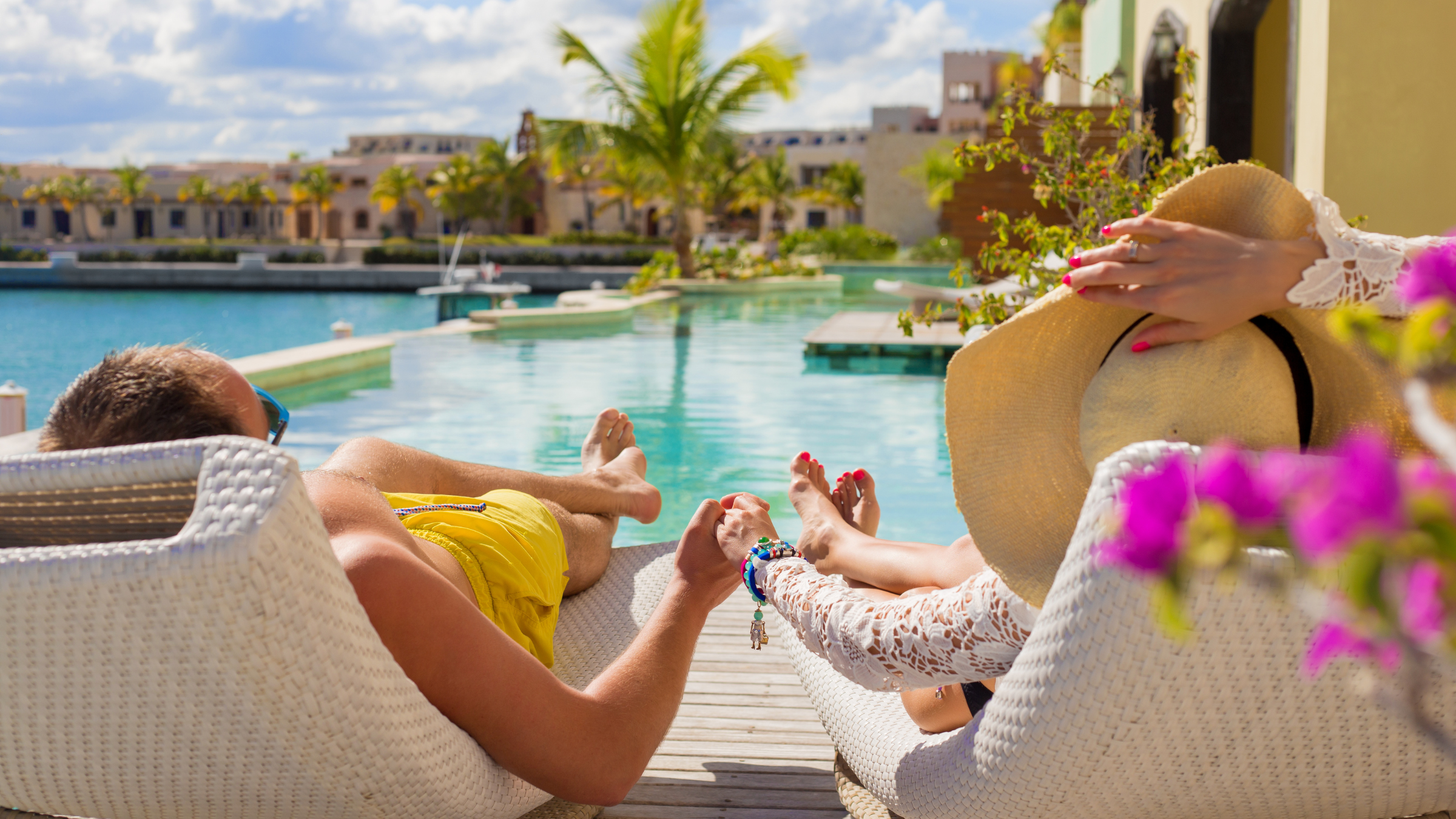
A resort vacation is supposed to be the easy kind of trip. Someone else handles the towels, the pool is steps away, and the biggest decision of the day is where to eat dinner. That relaxed feeling is exactly why it pays to keep a few safety habits in the back of your mind.
Most resort mishaps are small and preventable: a sunburn on day one, a phone left on a lounge chair, a child who wanders off near the pool. Whether you're booking a family getaway in Orlando or a quiet couples' retreat on the coast, the tips below will help you stay safe without spoiling the fun. And if your dog is staying behind, a stay at a luxury dog resort means the whole family gets a vacation.
Room and Hotel Security
Your room is your home base for the trip, so a few minutes of setup on arrival goes a long way.
Check Your Room When You Arrive
Make sure the main door, deadbolt, and security latch all work. Check that sliding doors, balcony doors, and windows lock properly, especially on lower floors. If anything is broken, ask the front desk for a repair or a different room before you unpack.
Keep Your Room Number Private
If the front desk says your room number out loud at check-in, quietly ask for a new room. Don't announce your room number in public areas, and keep your key card in its sleeve rather than writing the number on it.
Use Every Lock, Every Time
Use the deadbolt and latch whenever you're inside. Don't open the door to unexpected visitors, even if they say they're staff. Call the front desk to confirm before letting anyone in.
Know the Emergency Exits
When you first get to your room, walk to the nearest two exits and count the doors along the way. In a fire or power outage, hallways can fill with smoke or go dark. Knowing your route by feel can make a real difference.
Pool and Water Park Safety
The pool is the heart of most resorts, and it's also where the most serious accidents happen. Many resort pools don't have a lifeguard on duty, so the responsibility falls on you.
Check for a Lifeguard
Look for posted signs that say whether a lifeguard is on duty. If there's no lifeguard, an adult in your group needs to watch swimmers closely the whole time. Learn where the nearest life ring, phone, and first aid station are.
Read the Pool Rules and Depth Markers
Resort pools often mix shallow areas, deep ends, and zero-entry edges. Check the depth markers before anyone jumps in, and never dive into a pool unless it's clearly marked as safe for diving.
Watch Your Step
Pool decks are slippery when wet. Walk, don't run, and wear sandals with good grip. Be extra careful on stairs, ladders, and around splash pads.
Slides and Lazy Rivers
Water slides and lazy rivers are a highlight at family resorts, and Orlando-area properties are known for them. Follow the height and weight limits posted at each ride, go down feet first unless told otherwise, and move away from the landing pool quickly so the next rider doesn't land on you.
Go Easy on Alcohol
Poolside drinks are part of the resort experience, but alcohol affects balance, judgment, and swimming ability. Alternate with water and stay out of the pool if you've had more than a drink or two.
Beat the Sun and Heat
Warm-weather destinations like Central Florida can bring strong sun, high humidity, and afternoon thunderstorms, often on the same day.
Protect Your Skin
Apply broad-spectrum SPF 30 or higher before you head to the pool, and reapply every two hours or after swimming. Grab a cabana or umbrella during the midday hours, and wear a hat and sunglasses when you're out exploring.
Stay Hydrated
Humidity makes it easy to underestimate how much you're sweating. Keep a refillable water bottle with you and drink before you feel thirsty. Dizziness, headache, nausea, and heavy sweating are early signs of heat exhaustion, so move to shade and cool down right away if they appear.
Respect Storm Warnings
Summer storms can roll in fast. When you hear thunder or staff clear the pool, get out of the water and head indoors. Wait about 30 minutes after the last thunder before going back out.
Keeping Kids Safe at the Resort
Big resorts can feel like small towns to children, with pools, game rooms, and paths in every direction. A little structure keeps the freedom fun and safe.
Set Ground Rules Early
On the first day, walk the property together and point out landmarks. Agree on where kids can go alone, if anywhere, and set a check-in time. Teach them to ask a uniformed staff member or the front desk for help if they get lost.
Childproof Your Room
Resort rooms aren't built for toddlers. Keep balcony doors locked, move furniture away from railings, and store medications, cleaning supplies, and minibar items out of reach. Bring outlet covers if you have a crawler.
Vet Kids' Clubs and Childcare
Many family resorts offer kids' clubs or babysitting. Ask about staff training, child-to-staff ratios, and pickup procedures before you sign up, and make sure they have your phone number.
Protect Your Valuables and Personal Info
Resorts are generally safe, but busy pool decks and lobbies are easy places to lose track of belongings.
Use the In-Room Safe
Lock up passports, extra cash, jewelry, and spare cards in the room safe. Only carry what you need for the day, and take a photo of your ID and important documents in case anything goes missing.
Don't Leave Things Unattended
Phones, wallets, and key cards left on lounge chairs are an easy target. Bring a small waterproof pouch or locking bag to the pool, and take turns watching your things.
Be Careful With Wi-Fi
Resort Wi-Fi networks are shared by many guests. Avoid logging into banking or sensitive accounts on public networks, or use a VPN or your phone's data instead. Confirm the official network name with the front desk so you don't connect to a look-alike.
Getting Around Safely
Many guests split their time between the resort and nearby attractions. A trip to the theme parks, for example, often means shuttles, rideshares, and busy parking lots. If you're traveling with your dog, book them into a luxury dog resort in Orlando for park days rather than leaving them alone in a hot car or hotel room.
Use Official Transportation
Book shuttles through the front desk or use a trusted rideshare app. Before you get in, check that the car, plate, and driver match what the app shows.
Stay Aware at Night
Stick to well-lit paths and walkways after dark, and use the main entrance when returning late. If you feel uneasy, ask security to walk you to your room.
Plan for Medical Needs
Note the closest urgent care and hospital before you need them. Pack any prescriptions in your carry-on, and keep a small first aid kit in your room for blisters, cuts, and headaches.
Frequently Asked Questions
Are resort pools usually staffed by lifeguards?
Not always. Many resort pools post a "no lifeguard on duty" sign, which means adults are responsible for watching swimmers. Check the signage when you arrive and ask the front desk about pool staffing hours.
Is the in-room safe really secure?
In-room safes deter casual theft and are much better than leaving valuables out. For very expensive items, ask whether the front desk has a more secure safe-deposit option.
What should I do if someone knocks claiming to be staff?
Don't open the door right away. Call the front desk from your room phone to confirm the visit. Legitimate staff won't mind waiting while you check.
How can I keep kids from getting lost at a large resort?
Tour the property together on day one, choose a clear meeting spot, and put your phone number on a wristband. Bright swimwear makes children easier to spot in a crowded pool area.
What should I pack for a safe resort stay?
Bring sunscreen, a refillable water bottle, a small first aid kit, a waterproof phone pouch, sandals with good grip, and any prescription medications. Families should add outlet covers and swim aids for young children.
Relax With Peace of Mind
Resort safety doesn't mean worrying your way through vacation. It means a few smart habits: lock your door, know your exits, watch swimmers closely, respect the Florida sun, and keep valuables secure. Build those into your routine on day one, and the rest of your stay can be about rest, sunshine, and time together, while your pup enjoys some pampering of their own at a luxury dog resort in Orlando.
SafetyIQ brings incidents, inspections, training, journey management, lone worker safety and fatigue into one mobile app. Tell us about your crews and sites for tailored pricing.
Safety insights, straight to your inbox
New guides, monthly safety topics and SafetyIQ updates for EHS and operations leaders. Unsubscribe anytime.



Get a demo built around your sites, your teams, and the way your people work.
EHS, journey, and fatigue management software for field-heavy teams.

.png)

.png)