
Medical Office Safety and Security Tips
Medical office safety and security explained: access control, patient privacy, workplace violence prevention, and practical tips for practices.
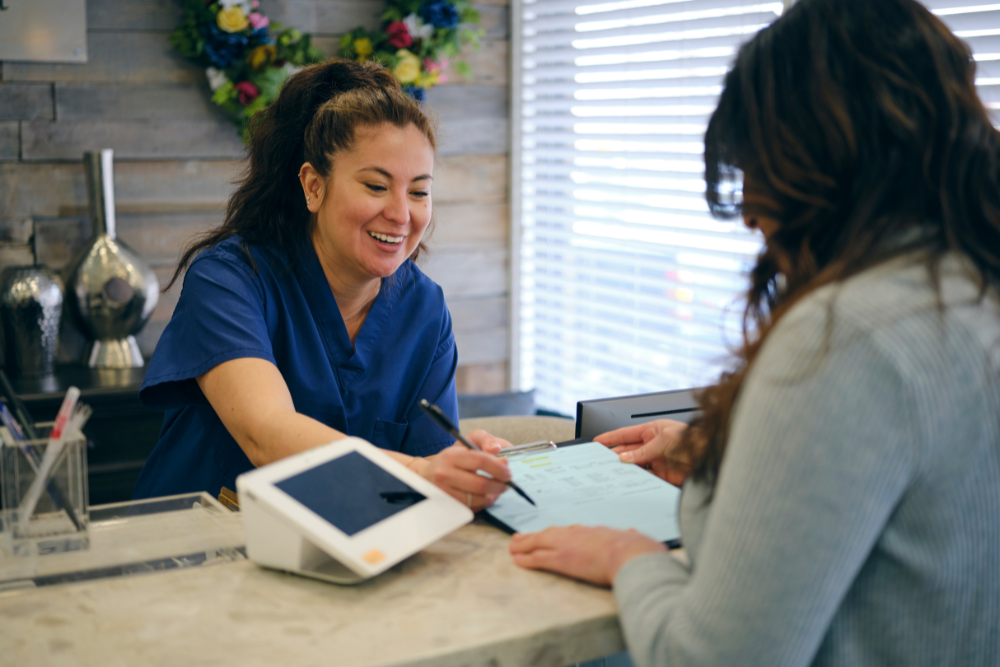
Patients walk into a medical office expecting two things without ever saying them out loud: that they'll be cared for, and that they'll be safe while it happens. Medical offices carry a unique mix of risks that most other businesses don't — sensitive health records, controlled substances, vulnerable patients, and, in many specialties, invasive procedures performed on-site. A well-run practice treats safety and security not as a compliance checkbox but as part of the standard of care itself.
This guide covers the major components of medical office safety and security, the risks practices commonly face, and practical steps to build a safer environment for patients and staff alike.
Why Security Looks Different in a Medical Office
A retail store worries about shoplifting. An office building worries about after-hours break-ins. A medical office has to worry about both of those things plus a list unique to healthcare: drug diversion, patient privacy breaches, workplace violence from distressed patients or family members, and the physical safety of people who may be sedated, in pain, or otherwise vulnerable during their visit.
The stakes are also higher in specialties involving elective or cosmetic procedures, where patients are often on-site for extended appointments, sometimes under sedation, and expect a calm, controlled environment from check-in to recovery — the kind of experience a well-regarded plastic surgery center in Dallas, for instance, has to get right on every single visit. Any gap in security or safety protocol in that kind of setting isn't just an inconvenience; it directly affects patient trust and outcomes.
The Core Pillars of Medical Office Security
Physical Access Control
Controlling who can get where is the backbone of medical office security:
- Front desk check-in procedures that verify identity before granting access to clinical areas
- Badge or keycard access to back-office areas, medication storage, and staff-only zones
- Locked medication and supply rooms, especially for controlled substances
- Visitor logs for anyone beyond patients and staff, including vendors and delivery personnel
Patient Privacy and Data Security
HIPAA compliance is the floor, not the ceiling, of what a modern practice should be doing to protect patient information:
- Encrypted electronic health record (EHR) systems
- Screens positioned away from public sightlines at check-in and nursing stations
- Shredding protocols for any physical documents containing patient information
- Staff training on minimum necessary access — team members should only see the records relevant to their role
- Secure messaging systems for any patient communication involving health details
Emergency Preparedness
Medical offices need response plans for a wider range of emergencies than most workplaces:
- Medical emergencies unrelated to the visit itself (a patient collapsing in the waiting room)
- Fire and evacuation procedures that account for patients who may have limited mobility or be recovering from sedation
- Active threat protocols
- Severe weather plans, particularly for practices in regions prone to hurricanes or tornadoes
Workplace Violence Prevention
Healthcare settings report some of the highest rates of workplace violence of any industry, often involving distressed patients, frustrated family members, or disputes over billing and wait times. A strong prevention program includes:
- De-escalation training for front-desk and clinical staff
- Panic buttons or duress alarms at check-in and in exam rooms
- Clear protocols for when to involve security or law enforcement
- Post-incident reporting and debriefing so patterns can be identified and addressed
Common Risks Medical Offices Face
Drug Diversion
Any practice that stores controlled substances is a potential target, whether from outside theft or, more commonly, diversion by staff. Strict inventory tracking, dual sign-off for controlled substance access, and regular audits are essential.
Unauthorized Record Access
Curiosity breaches — staff looking up records of people they know without a clinical reason — are one of the most common HIPAA violations. Access logs and routine audits help catch this early.
Theft of Equipment or Supplies
Medical equipment, from diagnostic devices to everyday supplies, is a common target for both external theft and internal shrinkage. Inventory tracking and locked storage reduce exposure.
Patient and Visitor Incidents
Falls, altercations, and medical emergencies unrelated to the reason for the visit all require staff who know how to respond quickly and appropriately, and a physical layout that doesn't create unnecessary hazards.
Cybersecurity Threats
Ransomware attacks against healthcare providers have increased significantly in recent years, in part because medical records are valuable on the black market and practices are often seen as under-resourced on IT security compared to hospitals.
Building a Stronger Security Program
Start With a Risk Assessment
Before adding new technology or policies, a practice should assess its actual vulnerabilities: entry points, record access patterns, medication storage, and staff feedback on where they feel least safe.
Train Every Employee, Not Just Security Staff
The front desk team, medical assistants, and even billing staff all play a role in security. Regular training — not a one-time onboarding session — keeps protocols top of mind.
Layer Physical and Digital Protections
Just as with any secure facility, no single measure should carry the full weight of protection. Locked doors, monitored access logs, encrypted systems, and trained staff should all reinforce each other.
Review and Update Protocols Regularly
Security needs evolve as a practice grows, adds services, or moves locations. An annual review — and a review after any incident — keeps protocols relevant rather than outdated.
Practical Tips for Patients
Patients can also play a role in protecting their own information and safety during a medical visit:
- Ask how a practice protects your health records before your first appointment if you have concerns
- Keep an eye on personal belongings in waiting rooms, which are often high-traffic and easy to overlook
- Bring a trusted friend or family member to appointments involving sedation or extended recovery time
- Report anything that feels off — an unlocked supply room, an unattended workstation with patient records visible — to staff directly
FAQs
Is medical office security legally required, or just best practice?
Some elements are legally required, particularly HIPAA compliance for patient data and DEA regulations for controlled substance storage. Physical security measures like access control and workplace violence prevention aren't always mandated by law, but they're increasingly expected by accreditation bodies, insurers, and patients themselves.
How often should a medical practice update its security protocols?
At minimum, once a year, and immediately after any security incident, near-miss, or significant change like a new location, new service line, or staff turnover in security-related roles. Practices that treat security as a living program rather than a one-time setup tend to catch problems before they become serious.
What's the difference between HIPAA compliance and general office security?
HIPAA compliance specifically governs how patient health information is protected, stored, and shared. General office security covers physical safety, access control, workplace violence prevention, and asset protection more broadly. A well-run practice needs both, and they often overlap — for example, a locked records room supports both HIPAA compliance and general theft prevention.
How can a small practice afford strong security without a dedicated security team?
Many effective measures cost little beyond staff time: access logs, visitor sign-in procedures, regular training, and clear escalation protocols. Technology investments like keycard access or panic buttons can often be phased in over time, prioritized based on a risk assessment rather than implemented all at once.
What should staff do if they suspect a coworker is diverting medication?
Most practices have a confidential reporting channel for exactly this situation, separate from day-to-day management, since the concern often involves a direct supervisor or colleague. Staff should document specific observations where possible and report through that channel rather than confronting the individual directly, both for their own safety and to preserve the integrity of any investigation.
SafetyIQ brings incidents, inspections, training, journey management, lone worker safety and fatigue into one mobile app. Tell us about your crews and sites for tailored pricing.
Safety insights, straight to your inbox
New guides, monthly safety topics and SafetyIQ updates for EHS and operations leaders. Unsubscribe anytime.



Get a demo built around your sites, your teams, and the way your people work.
EHS, journey, and fatigue management software for field-heavy teams.

.png)

.png)