
How to Report an OSHA Violation
Learn how to report an OSHA violation, file a complaint, and understand the OSHA investigation process for unsafe workplace conditions.
Workplace safety is a shared responsibility between employers, employees, and regulators. In the United States, the agency responsible for enforcing workplace safety laws is the Occupational Safety and Health Administration (OSHA). OSHA establishes and enforces standards designed to ensure employees have safe and healthy working conditions.
Despite these regulations, workplace hazards still occur. Unsafe equipment, missing safety procedures, exposure to harmful substances, or inadequate training can create dangerous conditions that put workers at risk. When these hazards are ignored or left unresolved, reporting an OSHA violation becomes an important step in protecting employees and preventing injuries.
Knowing how to properly report a violation ensures the concern is taken seriously and investigated appropriately. Whether you're a worker experiencing unsafe conditions, a supervisor attempting to address a hazard, or a concerned third party, understanding the reporting process helps ensure safety issues are addressed quickly and effectively.
This guide explains what qualifies as an OSHA violation, how to report unsafe working conditions, the investigation process, worker protections, and best practices for documenting safety concerns.
Understanding OSHA Violations
What Is an OSHA Violation?
An OSHA violation occurs when a workplace fails to comply with the safety standards established under the Occupational Safety and Health Act of 1970. These violations can involve anything from missing safety equipment to systemic safety failures that expose workers to serious hazards.
OSHA regulations cover a wide range of industries, including construction, manufacturing, oil and gas, transportation, warehousing, healthcare, and office environments. While each industry has specific standards, all employers must follow OSHA's General Duty Clause, which requires them to maintain a workplace free from recognized hazards that could cause serious harm or death.
Violations typically fall into several categories:
- Serious violations where a hazard could cause severe injury or death
- Other-than-serious violations involving safety issues with lower risk
- Willful violations where an employer knowingly disregards OSHA requirements
- Repeated violations when an employer has been cited for the same hazard previously
- Failure-to-abate violations when a hazard is not corrected after a citation
Understanding the type of violation helps determine the urgency and potential enforcement action.
Common Workplace Safety Violations
Some OSHA violations appear more frequently than others across industries. These hazards often stem from poor safety management systems, lack of training, or failure to enforce established safety procedures.
Examples of commonly reported OSHA violations include:
- Fall protection failures in construction environments
- Improper machine guarding in manufacturing facilities
- Inadequate hazard communication for chemicals
- Lack of respiratory protection in hazardous environments
- Unsafe scaffolding or ladders
- Poor electrical safety practices
- Confined space entry violations
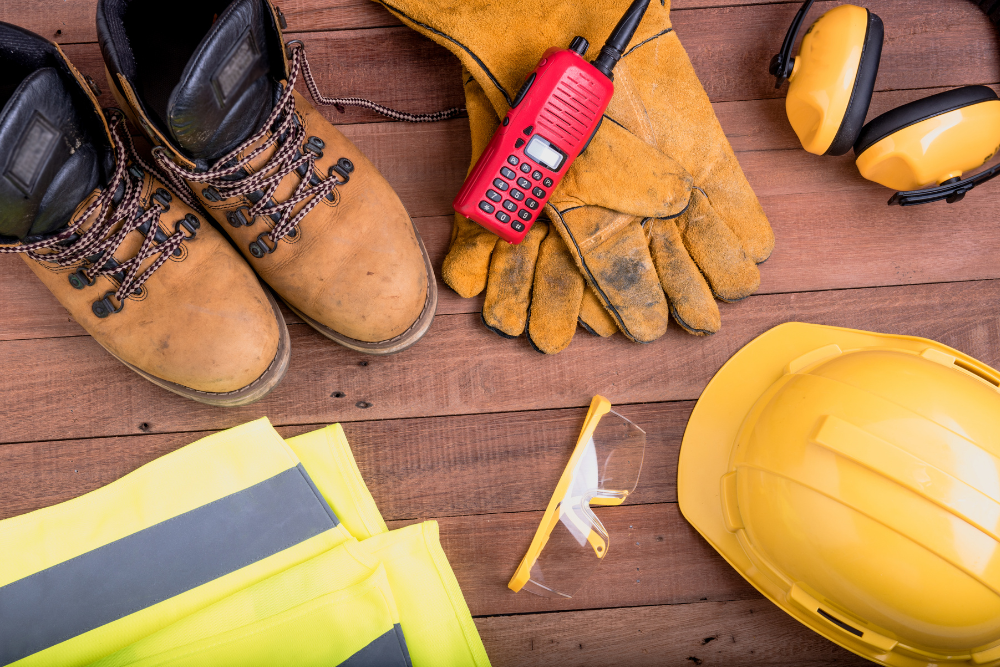
- Missing personal protective equipment (PPE)
Even seemingly small issues can escalate into serious safety incidents if they remain unaddressed.
When Should You Report an OSHA Violation?
Identifying Unsafe Working Conditions
Not every workplace concern qualifies as an OSHA violation. The issue typically must involve a condition that could reasonably cause injury, illness, or death.
Examples of reportable hazards may include:
- Exposed wiring or unsafe electrical systems
- Lack of fall protection on elevated surfaces
- Unsafe storage of chemicals or hazardous materials
- Blocked emergency exits
- Inadequate ventilation in hazardous environments
- Equipment missing required guards or safety mechanisms
- Lack of training for dangerous tasks
If a worker believes their employer has ignored or failed to address a significant hazard, reporting the issue may be necessary to protect employees and ensure compliance with safety regulations.
Attempting Internal Resolution First
Before contacting OSHA, workers are often encouraged to report the hazard internally if it is safe to do so. Many companies have safety programs, reporting channels, or safety committees designed to address workplace hazards.
Employees may consider reporting the issue to:
- A supervisor or manager
- A safety officer or EHS/ safety professional
- A human resources department
- A workplace safety committee
In many cases, internal reporting resolves the issue quickly without requiring regulatory involvement. However, if the hazard is ignored, dismissed, or retaliated against, reporting the violation to OSHA may be the appropriate next step.
Methods for Reporting an OSHA Violation
Workers and concerned individuals have several options for reporting unsafe conditions to OSHA. The method used can influence how quickly the complaint is reviewed and investigated.
Reporting an OSHA Violation Online
The fastest and most common way to report a workplace safety issue is through OSHA's online complaint form.
Steps to File an Online OSHA Complaint
- Visit the OSHA complaint filing website
- Select the type of complaint you wish to submit
- Provide information about the workplace and employer
- Describe the hazard in detail
- Submit supporting documentation if available
Online complaints are typically reviewed by OSHA staff who determine whether the issue warrants an inspection or whether the agency will contact the employer directly.
Online submissions are often used for hazards that are concerning but not immediately life-threatening.
Filing a Written OSHA Complaint
Submitting a written complaint signed by a worker carries more weight with OSHA and is more likely to trigger an on-site inspection.
Why Written Complaints Receive Higher Priority
Signed complaints indicate that an employee directly affected by the hazard is requesting intervention. OSHA often prioritizes these reports because they suggest a serious workplace safety concern.
Workers can download a complaint form from OSHA's website and submit it by mail or fax to the nearest OSHA office.
The form typically asks for:
- Employer name and address
- Description of the hazard
- Location of the hazard in the workplace
- Number of employees exposed
- Duration of the hazard
Providing accurate details increases the likelihood of a timely investigation.
Reporting an Emergency Hazard by Phone
Some workplace hazards require immediate action. If workers face imminent danger — meaning there is a risk of death or serious injury — the situation should be reported to OSHA by phone.
Examples of imminent danger situations include:
- Risk of structural collapse
- Exposure to toxic gas without protection
- Dangerous machinery operating without safeguards
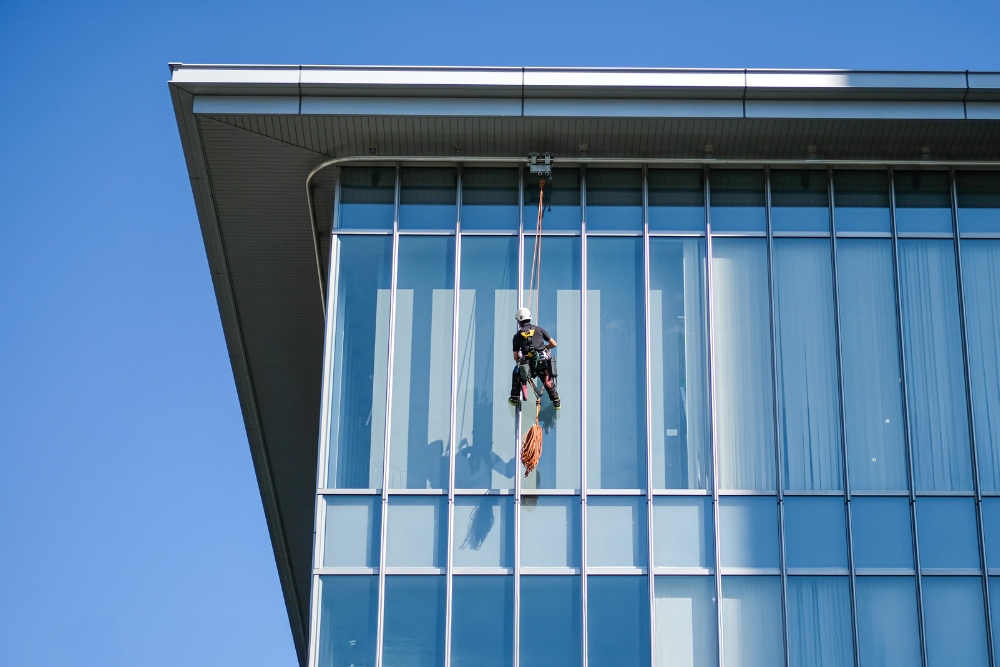
- Workers performing tasks at extreme heights without fall protection
Calling OSHA directly allows the agency to prioritize the issue and potentially initiate a rapid inspection.
Anonymous OSHA Complaints
Workers may also choose to report violations anonymously if they fear retaliation.
OSHA allows anonymous complaints, but the agency may have limited ability to follow up or request additional information. Anonymous reports are also less likely to result in immediate inspections compared to signed complaints.
However, anonymity can still be a valuable option when workers feel unsafe revealing their identity.
What Information Should Be Included in an OSHA Complaint?
A detailed complaint significantly increases the likelihood that OSHA will investigate the issue thoroughly.
Key Details to Provide
When reporting a violation, include as much information as possible about the unsafe condition.
Important information includes:
- The exact location of the hazard
- The type of work being performed
- Equipment involved in the hazard
- How long the hazard has existed
- The number of employees exposed
- Any injuries or near misses related to the hazard
Providing clear, factual descriptions helps OSHA understand the severity of the issue.
Supporting Documentation and Evidence
When possible, supporting documentation can strengthen a complaint. Examples include:
- Photographs of unsafe conditions
- Incident reports or near-miss documentation
- Internal safety reports
- Witness statements
- Maintenance records or inspection logs
While documentation is not required, it can provide valuable context for investigators.
What Happens After an OSHA Complaint Is Filed?
OSHA Complaint Evaluation
Once a complaint is submitted, OSHA reviews the information to determine how to proceed. The agency considers several factors when evaluating the complaint.
These factors include:
- Severity of the hazard
- Number of workers exposed
- Credibility of the complaint
- Whether similar complaints have been filed previously
Depending on the circumstances, OSHA may decide to conduct a formal inspection or initiate an informal investigation.
OSHA Workplace Inspections
If OSHA determines the complaint warrants further investigation, inspectors may conduct an on-site inspection.
OSHA Inspection Process
An inspection generally involves several steps:
- Opening conference with management
- Walkthrough inspection of the workplace
- Interviews with employees
- Review of safety records and documentation
- Closing conference discussing findings
Inspectors evaluate whether safety regulations have been violated and whether corrective actions are necessary.
Potential Outcomes of an OSHA Investigation
Following an inspection, OSHA may issue citations if violations are identified.
Possible outcomes include:
- Formal safety citations
- Monetary penalties
- Mandatory hazard correction orders
- Required training or safety improvements
In severe cases, OSHA may pursue legal enforcement or refer cases for criminal prosecution.
Employee Protections When Reporting OSHA Violations
Protection Against Retaliation
Workers often hesitate to report unsafe conditions because they fear retaliation. OSHA prohibits employers from punishing employees who report safety concerns or participate in investigations.
Protected activities include:
- Filing OSHA complaints
- Reporting workplace hazards internally
- Participating in OSHA inspections
- Testifying in safety investigations
Retaliation can include termination, demotion, reduced hours, harassment, or other forms of discrimination.
Employees who experience retaliation may file a whistleblower complaint with OSHA.
Worker Rights Under OSHA
Employees have several rights under OSHA regulations.
Workers have the right to:
- Report safety concerns without retaliation
- Request an OSHA inspection
- Receive information about workplace hazards
- Access safety training and documentation
- Review workplace injury logs
These protections are designed to encourage workers to speak up about unsafe conditions without fear.
Best Practices for Reporting Workplace Safety Concerns
Document the Hazard Thoroughly
Before reporting a violation, it can be helpful to document the hazard carefully.
Workers should record:
- The date and time the hazard was observed
- The specific location within the workplace
- Any supervisors notified
- Any actions taken or ignored
Detailed documentation strengthens the credibility of a complaint.
Remain Factual and Objective
When reporting an OSHA violation, it's important to present facts rather than assumptions.
Describe:
- What the hazard is
- How workers are exposed
- Why the condition is dangerous
Avoid exaggeration or speculation. Clear descriptions help investigators evaluate the issue accurately.
Follow Up When Necessary
If a hazard remains unresolved after reporting it internally or externally, workers may follow up with OSHA or submit additional information.
Persistent hazards often require continued attention until corrective action is taken.
The Role of Safety Management Systems in Preventing Violations
While OSHA reporting plays an important role in workplace safety, organizations can reduce violations by implementing structured safety management programs.
Modern safety programs emphasize:
- Proactive hazard identification
- Incident reporting systems
- Safety training and safety awareness
- Root cause analysis
- Continuous improvement processes
Many organizations now use safety management software to streamline reporting, track incidents, and ensure compliance with regulatory standards. These systems make it easier for workers to report hazards quickly and for organizations to resolve issues before they escalate into regulatory violations.
Frequently Asked Questions About Reporting OSHA Violations
Can anyone report an OSHA violation?
Yes. OSHA allows employees, contractors, former workers, unions, family members, or concerned individuals to report workplace safety violations.
While workers directly affected by the hazard typically provide the most detailed information, OSHA accepts complaints from anyone who becomes aware of unsafe conditions. For example, contractors may report unsafe practices at job sites, and family members may raise concerns if workers describe dangerous workplace conditions.
However, complaints filed by employees who work at the facility often receive higher priority, especially when the complaint is submitted in writing and signed.
Ultimately, OSHA's goal is to identify and correct hazards regardless of who reports them.
How long does it take OSHA to investigate a complaint?
The timeline for an OSHA investigation depends on the severity of the reported hazard and the agency's workload.
For imminent danger situations, OSHA may respond within hours or days by conducting an immediate inspection. These situations receive the highest priority because they involve conditions that could result in death or serious injury.
Less urgent complaints may be handled through a process called phone and fax investigation, where OSHA contacts the employer and requests corrective action.
In other cases, OSHA may schedule a formal inspection that takes place days or weeks after the complaint is filed.
Workers who submit signed complaints generally see faster responses than anonymous reports.
Can my employer find out if I reported them to OSHA?
OSHA makes every effort to protect the identity of employees who file complaints.
Workers may request that their name remain confidential, and OSHA will not reveal the complainant's identity during inspections. Inspectors may ask employees about safety concerns during interviews, but they do not disclose who submitted the complaint.
However, in some situations employers may speculate about who reported the issue, especially if only a small group of employees raised concerns.
If retaliation occurs, employees can file a whistleblower complaint with OSHA to seek protection and potential legal remedies.
What happens if OSHA confirms a violation?
If OSHA inspectors determine that safety violations exist, the agency may issue citations and penalties.
Each citation typically includes:
- A description of the violation
- The specific OSHA standard violated
- A deadline for correcting the hazard
- Financial penalties if applicable
Employers are required to correct violations within the designated timeframe and provide documentation proving that corrective actions were completed.
Failure to address cited hazards can result in additional penalties or enforcement actions.
In severe cases involving willful violations or worker fatalities, OSHA may refer the case for criminal investigation.
What if OSHA decides not to inspect the workplace?
Not every OSHA complaint results in an on-site inspection.
In some cases, OSHA may determine that the complaint lacks sufficient detail or that the hazard does not meet inspection priority criteria. Instead of conducting an inspection, the agency may contact the employer directly and request a written response describing how the issue will be addressed.
Workers who believe the hazard remains unresolved can submit additional evidence or request further review.
Providing detailed information, supporting documentation, and a signed complaint increases the likelihood that OSHA will conduct a formal inspection.
Final Thoughts
Reporting an OSHA violation is an important step in protecting workers and improving workplace safety. Unsafe conditions not only increase the risk of injuries and illnesses but also create operational disruptions and legal liability for organizations.
Understanding how to identify hazards, document unsafe conditions, and report violations effectively empowers workers to advocate for safer workplaces. At the same time, employers can benefit from proactive safety programs that identify and resolve hazards before they escalate into regulatory violations.
Ultimately, workplace safety depends on open communication, effective reporting systems, and a shared commitment to protecting employees from harm. When workers speak up about hazards and organizations respond responsibly, workplaces become safer, more productive environments for everyone.
SafetyIQ brings incidents, inspections, training, journey management, lone worker safety and fatigue into one mobile app. Tell us about your crews and sites for tailored pricing.
Safety insights, straight to your inbox
New guides, monthly safety topics and SafetyIQ updates for EHS and operations leaders. Unsubscribe anytime.

Get a demo built around your sites, your teams, and the way your people work.
EHS, journey, and fatigue management software for field-heavy teams.

.png)

.png)