
What Is Confined Space Safety?
What is confined space safety? Learn the risks, OSHA requirements, and best practices for protecting workers in confined spaces with proper monitoring, permits, and safety procedures.
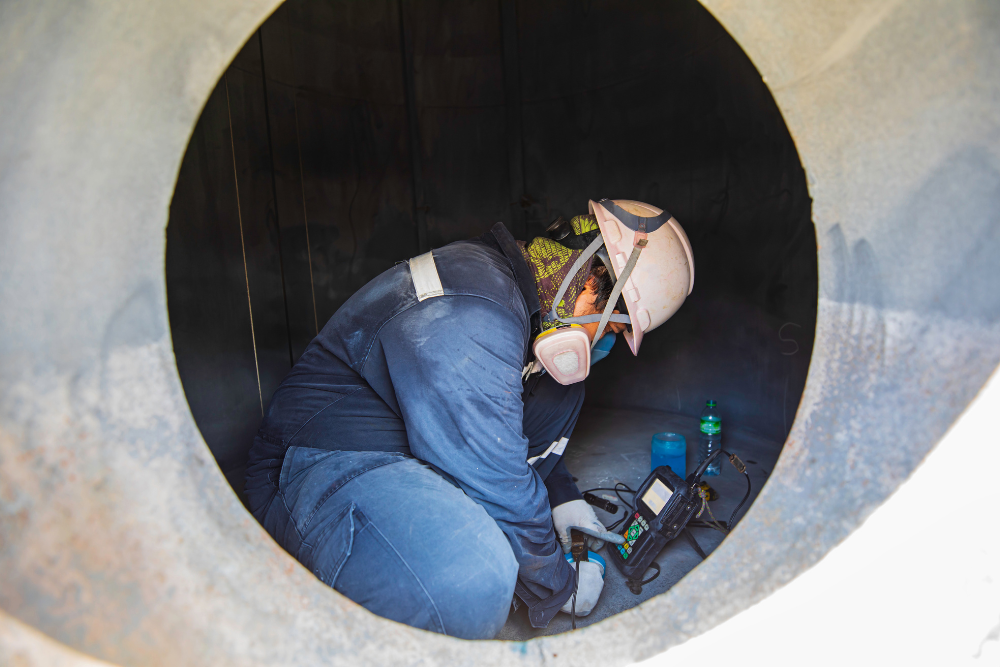
Confined spaces exist in nearly every industrial environment, from manufacturing plants and construction sites to utilities, water treatment facilities, and energy operations. These spaces often serve essential operational functions, yet they pose some of the most serious safety hazards workers can face. Incidents in confined spaces are frequently severe or fatal because the hazards involved can escalate quickly and without warning.
For organizations responsible for maintaining safe workplaces, confined space safety requires a structured approach that combines planning, training, hazard assessment, monitoring, and clear procedures. Effective safety programs ensure workers can enter, work within, and exit confined spaces without exposing themselves or others to unnecessary risk.
Understanding how confined space hazards arise and how to manage them is the foundation of protecting employees, maintaining regulatory compliance, and preventing costly accidents. Modern safety management software such as SafetyIQ help organizations standardize confined space procedures, document inspections, and ensure teams have visibility into risks before work begins.
Understanding What Defines a Confined Space
A confined space is typically defined by three main characteristics. First, it is large enough for a worker to enter and perform work. Second, it has limited or restricted means of entry or exit. Third, it is not designed for continuous employee occupancy.
Examples of confined spaces can include storage tanks, silos, pits, pipelines, boilers, vaults, sewers, and underground utility chambers. These spaces may appear safe at first glance, but their structural design and environmental conditions can make them extremely dangerous if hazards are not properly controlled.
The risks associated with confined spaces vary depending on the environment and the work being performed. Some hazards are immediately obvious, such as poor ventilation or hazardous chemicals, while others develop during the course of work activities, such as welding fumes, oxygen displacement, or combustible gas buildup.
Organizations must carefully evaluate each confined space within their facilities and classify them appropriately, particularly identifying those that qualify as permit-required confined spaces due to the presence of serious hazards.
The Unique Risks Associated With Confined Spaces
Confined spaces present a combination of environmental and physical hazards that can quickly escalate into life-threatening situations. Unlike open work areas, confined spaces limit airflow, restrict movement, and make emergency response more challenging.
One of the most common hazards is oxygen deficiency. Normal air contains approximately 20.9 percent oxygen, but in confined spaces this level can drop due to chemical reactions, rusting metals, microbial activity, or displacement by other gases. When oxygen levels fall below safe thresholds, workers may experience dizziness, confusion, loss of consciousness, or death.
Another significant risk involves toxic gases. Industrial environments often produce gases such as hydrogen sulfide, carbon monoxide, or methane. These substances may accumulate in confined areas where ventilation is limited, creating dangerous breathing conditions even when the space initially appears safe.
Fire and explosion hazards are also common. Flammable vapors and combustible dusts can build up in confined spaces, especially during maintenance or repair activities involving solvents, fuels, or welding operations.
Physical hazards further complicate confined space work. These may include engulfment risks from liquids or granular materials, mechanical equipment that could start unexpectedly, or structural hazards such as unstable surfaces or falling objects.
Because these risks often occur simultaneously, confined space safety programs must address multiple hazard categories rather than focusing on a single threat.
Regulatory Requirements and OSHA Standards
In the United States, confined space safety is regulated primarily through the Occupational Safety and Health Administration's Permit-Required Confined Space standard, commonly known as OSHA 29 CFR 1910.146. This regulation outlines the responsibilities employers must follow when workers enter hazardous confined spaces.
Employers are required to identify and evaluate confined spaces in the workplace and determine whether they qualify as permit-required spaces. A space becomes permit-required if it contains hazardous atmospheres, engulfment hazards, inwardly converging walls, or any condition that could trap or endanger workers.
When a permit-required confined space is identified, employers must develop a written permit system that outlines the procedures necessary for safe entry. This includes hazard assessments, atmospheric testing, ventilation requirements, rescue planning, and authorization protocols.
Workers involved in confined space operations must receive training that explains the hazards present, the procedures required for safe entry, and their individual roles within the process. This training ensures everyone involved understands the responsibilities of entrants, attendants, supervisors, and rescue personnel.
Failure to comply with confined space regulations can result in severe penalties, but more importantly, it can place workers at significant risk. Compliance should be viewed not simply as a regulatory obligation but as a core element of workplace safety.
Permit-Required Confined Space Programs
Permit systems play a central role in confined space safety because they establish a structured process for evaluating hazards before anyone enters a dangerous environment.
A permit typically includes detailed information about the space being entered, the work being performed, the hazards identified, and the controls implemented to mitigate those hazards. It also identifies the individuals authorized to enter the space, the attendants responsible for monitoring entry, and the supervisor who approves the work.
Before entry occurs, the permit process requires atmospheric testing to confirm oxygen levels, flammable gases, and toxic substances are within acceptable ranges. Ventilation equipment may be used to improve air quality, while lockout procedures ensure mechanical systems cannot activate unexpectedly.
The permit also establishes time limits for entry and specifies communication procedures between workers inside the confined space and attendants stationed outside.
When the work is complete or conditions change, the permit must be closed and documented, ensuring there is a record of the entry event and any issues encountered.
EHS management software can help streamline permit processes by centralizing documentation, enabling mobile data entry, and providing real-time visibility into confined space activities across multiple locations.
Roles and Responsibilities During Confined Space Entry
Successful confined space safety programs depend on clearly defined roles and responsibilities for everyone involved in the entry process. Each participant plays a specific role in maintaining safe conditions and responding to potential hazards.
Entrants are the workers who physically enter the confined space. Their responsibilities include following all entry procedures, using required protective equipment, maintaining communication with attendants, and exiting immediately if conditions become unsafe.
Attendants remain outside the confined space and monitor the entrants throughout the operation. They track who is inside the space, observe conditions, and initiate emergency response procedures if necessary. Attendants must remain focused solely on monitoring the entry and cannot perform unrelated tasks during this time.
Entry supervisors oversee the entire process and ensure all safety procedures are properly followed before work begins. They verify that permits are completed, hazards are controlled, and workers are properly trained and equipped.
Rescue personnel must also be identified and prepared before entry occurs. Confined space rescue operations can be extremely dangerous, so organizations must ensure responders have the necessary training and equipment to perform safe rescues.
Clearly defined responsibilities ensure every participant understands their role in maintaining safe working conditions.
Atmospheric Monitoring and Hazard Detection
Atmospheric monitoring is one of the most critical components of confined space safety. Many confined space incidents occur because hazardous atmospheric conditions were not detected before workers entered the space.
Before entry begins, air quality must be tested using calibrated gas detection equipment. These devices measure oxygen levels, flammable gases, and toxic substances to determine whether conditions are safe for entry.
Testing must follow a specific sequence. Oxygen levels are measured first because many gas detection sensors require sufficient oxygen to operate properly. Flammable gases are then evaluated, followed by toxic contaminants.
Monitoring does not end once workers enter the space. Atmospheric conditions can change rapidly due to work activities, equipment operation, or chemical reactions. Continuous monitoring ensures any dangerous changes are detected immediately.
If hazardous levels are detected at any point, workers must evacuate the space until the issue is corrected. Proper monitoring equipment and procedures provide an essential safeguard against invisible environmental hazards.
Ventilation and Engineering Controls
Engineering controls help reduce hazards before workers enter confined spaces, making the environment safer for necessary work activities.
Ventilation is one of the most common control methods. Mechanical ventilation systems introduce fresh air into the space while removing contaminated air, helping maintain safe oxygen levels and prevent hazardous gas buildup.
In some cases, isolation procedures may also be necessary. Pipelines or equipment connected to confined spaces must be locked out or physically disconnected to prevent hazardous materials from entering the space during work activities.
Barriers and protective systems may be used to prevent engulfment hazards or falling materials. Lighting systems designed for hazardous environments ensure workers can safely see while operating in confined conditions.
Engineering controls reduce reliance on personal protective equipment by addressing hazards at their source, making them an essential component of comprehensive safety programs.
Training and Preparedness for Confined Space Work
Training is essential because confined space work involves specialized procedures and equipment that many workers may not encounter in routine tasks.
Workers must be trained to recognize confined space hazards, understand permit procedures, and properly use safety equipment such as gas detectors, harnesses, and ventilation systems.
Training should also emphasize situational awareness. Workers must understand how quickly conditions can change in confined spaces and why strict adherence to safety protocols is necessary.
Emergency preparedness training is particularly important. Rescue operations in confined spaces are complex and require specialized knowledge to prevent additional casualties. Teams must practice rescue procedures regularly to ensure they can respond effectively if an incident occurs.
Ongoing training reinforces safe behaviors and ensures employees remain familiar with procedures as equipment, environments, and regulations evolve.
The Role of Technology in Confined Space Safety
As workplaces become more connected, technology is playing an increasingly important role in improving confined space safety management.
Digital safety platforms allow organizations to centralize documentation, standardize permit procedures, and track safety activities across multiple locations. Mobile tools allow workers to complete inspections, record atmospheric readings, and submit permits directly from the field.
Real-time visibility into confined space activities helps safety teams identify risks before incidents occur. Supervisors can verify that required procedures have been completed, ensuring compliance and improving accountability.
Solutions like SafetyIQ help organizations move beyond paper-based systems and adopt proactive safety management practices that improve both efficiency and worker protection. By combining traditional safety procedures with modern technology, companies can create more reliable and transparent safety programs.
Frequently Asked Questions About Confined Space Safety
What qualifies as a confined space in the workplace?
A confined space is defined as an area large enough for a worker to enter and perform tasks, but with limited entry or exit points and not intended for continuous occupancy. These spaces may include tanks, pits, vaults, pipelines, and storage containers. The restricted design of these environments can create dangerous conditions if hazards are present. Because confined spaces vary widely across industries, organizations must conduct evaluations to identify spaces within their facilities that meet this definition and determine whether additional safety controls are necessary.
What is a permit-required confined space?
A permit-required confined space is a confined space that contains serious hazards capable of causing injury or death. These hazards may include hazardous atmospheres, engulfment risks, internal configurations that could trap workers, or other dangerous conditions. OSHA requires employers to implement a formal permit system before workers enter these spaces. The permit process ensures hazards are evaluated, safety measures are implemented, and all personnel understand their responsibilities before entry occurs.
Why is atmospheric testing necessary before entering a confined space?
Atmospheric testing is critical because many confined space hazards cannot be detected by sight or smell. Oxygen deficiency, toxic gases, and flammable vapors may exist without visible warning signs. Gas detection equipment allows safety teams to measure air quality and confirm conditions are safe before workers enter the space. Continuous monitoring is also necessary because atmospheric conditions can change quickly during work activities, making ongoing detection essential for protecting workers.
What equipment is typically required for confined space entry?
Confined space entry often requires specialized safety equipment designed to protect workers from environmental and physical hazards. This may include gas detection monitors, ventilation systems, protective harnesses, retrieval systems, communication devices, and appropriate personal protective equipment. The specific equipment required depends on the hazards present in the confined space and the work being performed. Proper equipment selection and maintenance are essential to ensuring these tools function correctly when needed.
How can companies improve their confined space safety programs?
Organizations can strengthen confined space safety programs by implementing structured procedures, providing comprehensive worker training, and leveraging modern safety management technologies. Digital platforms such as SafetyIQ help organizations document permits, track inspections, and maintain real-time oversight of confined space operations. Regular audits, hazard assessments, and emergency response drills also contribute to more effective safety programs. By combining strong safety culture with reliable systems and processes, companies can significantly reduce the risks associated with confined space work.
Confined space safety requires constant vigilance, clear procedures, and strong organizational commitment. By understanding the hazards present in these environments and implementing structured safety programs supported by technology like SafetyIQ, organizations can protect workers while maintaining operational efficiency.
SafetyIQ brings incidents, inspections, training, journey management, lone worker safety and fatigue into one mobile app. Tell us about your crews and sites for tailored pricing.
Safety insights, straight to your inbox
New guides, monthly safety topics and SafetyIQ updates for EHS and operations leaders. Unsubscribe anytime.



Get a demo built around your sites, your teams, and the way your people work.
EHS, journey, and fatigue management software for field-heavy teams.

.png)

.png)