
A Complete Guide to Personal Protective Equipment (PPE)
A guide to personal protective equipment: Learn what PPE includes, how to choose it, how to train workers, and how to strengthen compliance with better safety practices.
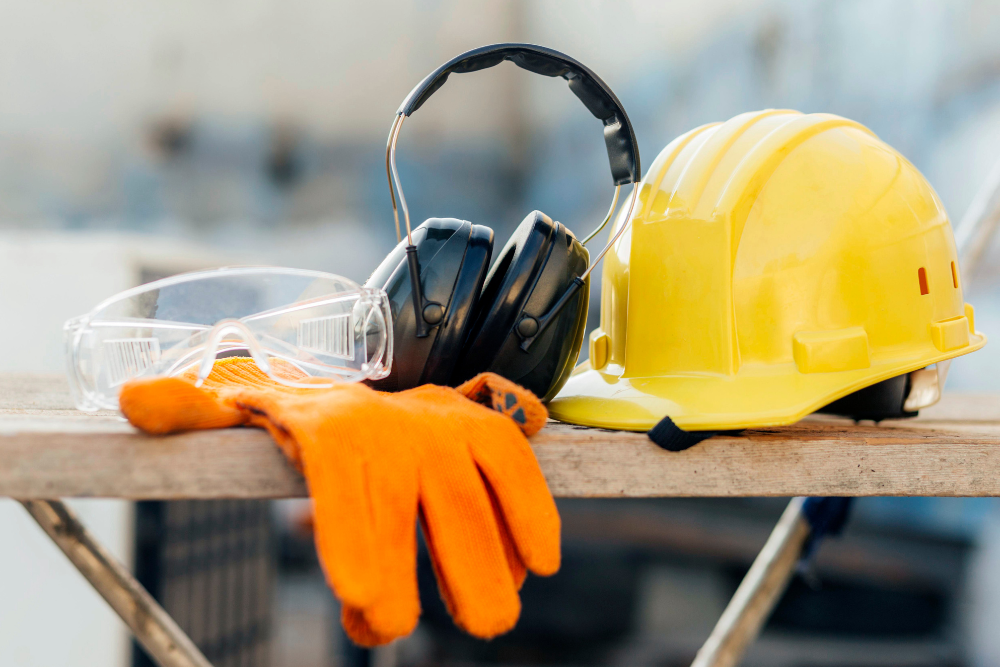
Personal Protective Equipment (PPE) remains one of the most important defenses against workplace injuries, illnesses, and preventable accidents. Yet PPE is still misunderstood in many organizations—often viewed as a last-minute requirement rather than a strategic part of safety planning.
This guide breaks down what PPE is, why it matters, how organizations should choose it, and how to ensure it’s used correctly across daily operations.
What Personal Protective Equipment Is—and Why It Matters
Personal Protective Equipment includes the clothing, gear, and devices designed to shield workers from hazards that cannot be fully removed through engineering or administrative controls. PPE is not meant to replace safety processes—it reinforces them.
PPE protects employees from a wide range of risks, including impact, chemicals, heat, dust, noise, airborne particles, falling objects, and sharp surfaces. When chosen and used correctly, PPE acts as a final barrier between a worker and a serious injury. When handled poorly - wrong size, wrong type, or worn inconsistently - it can give a false sense of security and lead to preventable accidents.
Understanding PPE is the first step. Building systems that support it every day is what actually reduces risk.
Types of PPE and When They Are Required
Workplaces use many categories of PPE depending on the hazards present. Each type serves a specific purpose and has specific limits that safety teams must understand.
Head Protection
Hard hats and bump caps shield workers from falling objects, low ceilings, and accidental impact. Head protection becomes essential in outdoor job sites, construction zones, warehouses, and any environment where elevated work or moving equipment is present. A properly fitted hard hat sits level on the head, feels secure without being tight, and must be inspected frequently for cracks or sun damage.
Eye and Face Protection
Safety glasses, goggles, and face shields protect against dust, metal fragments, chemical splashes, radiation, and flying debris. Different tasks require different levels of protection—for example, goggles provide sealed protection for chemical handling while welding requires specialized shading to filter intense light.
Respiratory Protection
Respirators protect workers from inhaling hazardous particles, fumes, vapors, and gases. This equipment ranges from disposable N95 masks to half-face and full-face reusable respirators with specific cartridges. Selection must be based on the actual hazard, not convenience. Fit testing, seal checks, and proper filter replacement are critical for respiratory PPE to function as intended.
Hand Protection
Gloves provide barrier protection, grip assistance, chemical resistance, thermal insulation, and cut protection. Not all gloves protect against all hazards—chemical-resistant gloves differ greatly from cut-resistant gloves, and heat-resistant gloves cannot protect against solvents. Matching glove material to task risk is essential.
Foot Protection
Steel-toe boots, puncture-resistant soles, anti-slip shoes, and dielectric footwear are used to reduce foot injuries from falling objects, sharp materials, electrical hazards, or slippery surfaces. Footwear must be replaced when treads wear down or protective materials begin deteriorating.
Hearing Protection
Earplugs and earmuffs prevent long-term hearing loss in loud environments such as factories, construction sites, and manufacturing operations. Effective hearing protection reduces noise exposure to safe levels while still allowing for communication and situational awareness.
Body Protection
High-visibility vests, flame-resistant clothing, chemical suits, and arc-flash gear help workers remain visible and shielded from environmental hazards. These items must be chosen with both protection and comfort in mind—uncomfortable PPE often leads to poor compliance.
Fall Protection
Harnesses, lanyards, anchor points, and self-retracting lifelines are vital for anyone working at heights. Fall protection requires regular inspection and strict adherence to proper anchoring and connection procedures.
How to Select the Right PPE for Your Workplace
Choosing PPE is not a guesswork exercise. It requires a structured, hazard-driven decision-making process.
1. Start with a thorough hazard assessment
Before buying a single piece of equipment, evaluate every task, workstation, machine, and environment. Look for physical, chemical, biological, ergonomic, and environmental hazards. A strong hazard assessment becomes the foundation for PPE selection.
2. Match PPE directly to the hazard
Each hazard requires a specific type of protection—and using the wrong PPE can be as dangerous as using none at all. For example, latex gloves offer minimal chemical resistance, while nitrile gloves resist many solvents. A dust mask cannot replace a respirator for vapor or gas exposure. Understanding compatibility is key.
3. Ensure proper fit and comfort
PPE that does not fit is unlikely to be worn. Hard hats should sit level, harnesses should distribute weight evenly, respirators must seal tightly to the face, and gloves should allow enough dexterity to perform tasks safely. Comfort and function go hand-in-hand.
4. Train workers on correct use and limitations
Even the best PPE will fail if employees don’t understand how to wear it or when not to use it. Effective training includes donning and doffing instructions, inspection steps, cleaning procedures, and recognizing equipment that must be replaced.
Maintaining Personal Protective Equipment Through Inspections and Replacement
Regular inspection is non-negotiable. PPE degrades over time from heat, chemicals, sweat, UV exposure, and daily wear. Safety teams should establish clear schedules for:
- Inspections before each use
- Cleaning and sanitizing
- Storage procedures
- Replacement timelines
- EHS software, recordkeeping, and documentation
Digital tools can strengthen these processes by sending reminders, tracking completed tasks, and documenting PPE checks for compliance.
Using Technology to Improve Personal Protective Equipment Compliance
Modern EHS software plays a major role in strengthening PPE programs. Digital tools help organizations:
- Conduct and document PPE audits
- Track training completion
- Manage corrective actions
- Automate reminders for inspections or replacements
- Record near misses related to PPE misuse
- Monitor site trends to identify where PPE gaps occur
By embedding PPE requirements into daily workflows, organizations move from reactive responses to proactive safety habits.
Building a Culture Where PPE Becomes Part of Everyday Work
The strongest PPE programs are built on consistency. When PPE becomes part of everyday routines - not a special circumstance - employees are more protected, supervisors have clearer visibility, and leaders can trust the integrity of their safety system.
A culture of PPE responsibility grows when workers understand why they use it, believe it protects them, and see it supported through proper tools, training, and leadership.
SafetyIQ brings incidents, inspections, training, journey management, lone worker safety and fatigue into one mobile app. Tell us about your crews and sites for tailored pricing.
Safety insights, straight to your inbox
New guides, monthly safety topics and SafetyIQ updates for EHS and operations leaders. Unsubscribe anytime.


Get a demo built around your sites, your teams, and the way your people work.
EHS, journey, and fatigue management software for field-heavy teams.

.png)

.png)