
Top Causes of Electrical Fires and How to Prevent Them
Top causes of electrical fires and how to prevent them. Protect your workplace by understanding key risks and implementing safety measures.
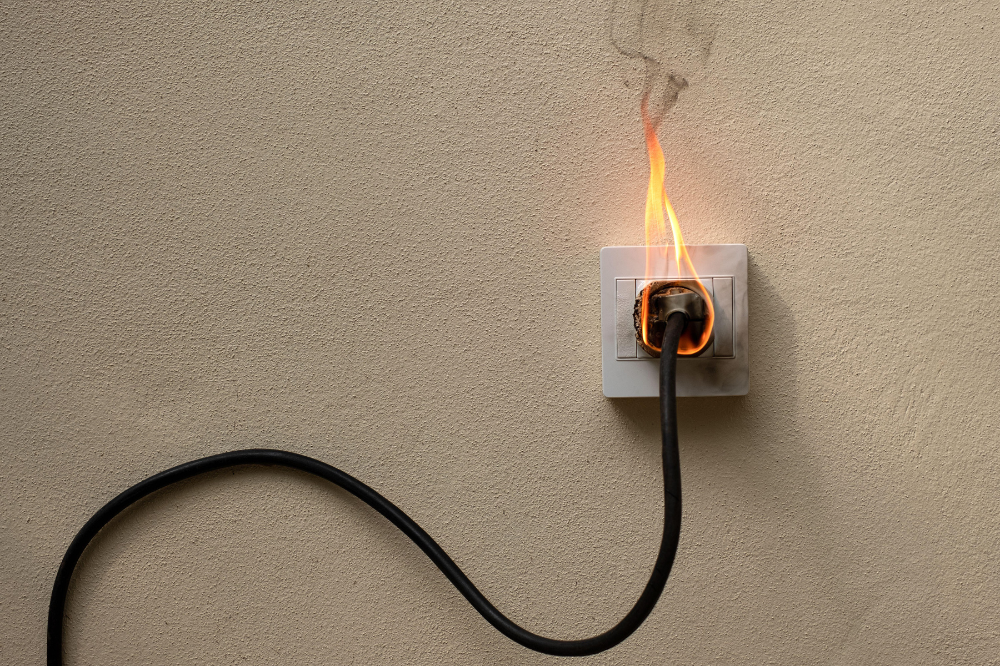
Electrical fires are a major safety concern across industries, often leading to severe property damage, injuries, or even fatalities.
These fires typically arise from issues within electrical systems, such as overloaded circuits, faulty wiring, or improper use of electrical devices.
For professionals in safety roles, operations management, and those overseeing industrial environments, understanding the common causes of electrical fires and implementing preventative measures is important.
By staying informed and taking proactive steps, you can significantly reduce the risks associated with electrical fires. This ensures a safer work environment for employees and protects valuable company assets, maintaining business continuity and avoiding costly downtime.
This article will discuss the top causes of electrical fires and how they can be prevented.
Pro Tip: Want to ensure your facility is fully protected against electrical hazards? Download our Comprehensive Guide to Hazard Management to learn more about identifying and mitigating risks in your workplace.
Top Causes of Electrical Fires
Electrical fires are a major concern in industrial settings, often resulting in significant property damage, injuries, or even fatalities. Understanding the primary causes of these fires is essential for preventing them and ensuring a safe environment.
Below are the top causes of electrical fires and tips on how to reduce these risks.
1. Overloaded Circuits
Overloaded circuits frequently cause electrical fires, particularly in industrial settings where the demand for electrical systems can be incredibly intense.
The U.S. Bureau of Labor Statistics (BLS) reported that in 2020, there were 126 fatalities due to exposure to electricity in the workplace.
When too many devices, machines, or equipment are connected to a single circuit, it can exceed the circuit's designed capacity, leading to dangerous overheating. This excessive heat can cause the insulation around the wiring to melt, deteriorate, or even ignite, ultimately sparking a potentially devastating fire.
2. Faulty Wiring
Faulty wiring is a major fire risk, especially in older industrial facilities where wiring may have significantly degraded over time. Damaged, worn-out, or frayed wiring can cause electrical arcing, which can quickly ignite flammable materials such as insulation, wood, or other building materials. Additionally, improper electrical installations or repairs conducted by unqualified personnel can significantly increase fire risks, making regular inspections crucial.
3. Improper Use of Electrical Equipment
The improper use of electrical equipment is a common but entirely avoidable cause of electrical fires. This includes using equipment that is damaged, frayed, or malfunctioning, overloading extension cords beyond their rated capacity, or operating machinery in ways that exceed the manufacturer’s design specifications. For example, running high-powered devices on circuits that can't handle the load can lead to overheating and potential fires.
4. Outdated Electrical Systems
Outdated electrical systems pose a significant fire risk, particularly in older industrial buildings where the electrical infrastructure may not have been adequately modernized. Systems that include old fuse boxes, aluminum wiring, or inadequate grounding are far more prone to failure under the increased power demands of modern industrial operations. Regular upgrades and assessments are essential to mitigate these risks and ensure safety.
How to Prevent Electrical Fires
According to the Occupational Safety and Health Administration (OSHA), workplace electrical fires and explosions are responsible for over 300 fatalities and 4,000 injuries annually.
In order to avoid such mishaps, here are some key strategies to prevent electrical fires in industrial settings:
1. Regular Inspections
Regular electrical inspections by qualified electricians are essential for preventing electrical fires, especially in high-risk industries like manufacturing, mining, and oil and gas. These inspections should identify signs of wear and tear, faulty wiring, overloaded circuits, and other potential fire hazards. For safety managers, regular inspections are critical to maintaining compliance with industry regulations and standards.
2. Proper Use of Electrical Devices
Proper use of electrical devices and machinery is vital for fire prevention in industrial settings. Safety managers must ensure that all employees are trained on the correct use and maintenance of electrical equipment. Operations managers should enforce strict guidelines on how equipment is used to prevent misuse or overloading.
3. Upgrading Electrical Systems
Upgrading electrical systems is a crucial step in preventing electrical fires, especially in industries where electrical demand has increased over time. Safety managers and operations leaders should assess their current systems and consider upgrades where necessary. This may involve installing new circuit breakers, replacing outdated wiring, or adding additional circuits to handle the increased power demand.
4. Use of Safety Devices
Safety devices such as circuit breakers, surge protectors, and smoke detectors are critical in preventing electrical fires. Safety managers should ensure these devices are installed, regularly tested, and maintained in all industrial environments. Operations managers must monitor the condition and effectiveness of these electrical fire safety devices to ensure they function correctly during emergencies.
Emergency Response to Electrical Fires
Despite all precautions, electrical fires can still occur. Knowing how to respond effectively can prevent escalation and save lives.
According to the NFPA, electrical distribution, and lighting equipment caused 24% of structure fires in manufacturing and industrial properties from 2011 to 2015, resulting in an annual average of 7 civilian deaths, 68 civilian injuries, and $416 million in direct property damage.
Here are some essential steps to take in case of emergencies:
- Cut off the power source: If it’s safe to do so, disconnect the power to prevent the fire from spreading and reduce the risk of electrical shock.
- Use a Class C fire extinguisher: This type of extinguisher is specifically designed for electrical fires and can help put out small fires before they escalate.
- Evacuate the area immediately: If the fire grows beyond control, evacuate the area to ensure the safety of all personnel and contact emergency services promptly.
- Never use water: Water conducts electricity and can worsen the situation by increasing the risk of electrocution. Always use appropriate fire-fighting equipment for electrical fires.
- Alert others in the vicinity: Inform coworkers and others nearby about the fire to ensure they evacuate and avoid entering the dangerous area.
- Shut down critical operations if possible: If it's safe to do so, shut down any critical operations to prevent additional hazards or damage.
FAQs
What is the best way to prevent electrical fires in industrial settings?
Regular inspections by a qualified electrician, proper use of electrical devices, and installing fire safety devices like circuit breakers and smoke detectors are key. Upgrading outdated electrical systems is also crucial in reducing fire risks.
How can safety managers ensure electrical safety in the workplace?
Safety managers should avoid overloading circuits, ensure proper use of electrical equipment, and conduct regular inspections. Implementing and maintaining safety devices like surge protectors and circuit breakers is also essential.
What should be done immediately when an electrical fire occurs?
First, cut off the power supply if possible. Then use a Class C fire extinguisher to extinguish the fire. If the fire is uncontrollable, evacuate the area and call emergency services.
What are the common causes of electrical fires in industrial environments?
Common causes include overloaded circuits, faulty wiring, improper use of electrical devices, and outdated electrical systems. Regular maintenance and adherence to safety guidelines can help prevent these risks.
How often should industrial electrical systems be inspected?
It’s recommended to inspect industrial electrical systems annually or more frequently if the facility is older or experiences heavy electrical usage. Regular inspections can identify potential fire hazards before they escalate.
Can outdated electrical systems in industrial settings lead to fires?
Yes, outdated electrical systems are a major risk factor for electrical fires, particularly in facilities where the power demands have increased over time. Upgrading these systems to meet current safety standards is crucial in preventing fires.
How do safety devices help prevent electrical fires in industries?
Safety devices like circuit breakers, surge protectors, and smoke detectors are critical in preventing electrical fires. They help by cutting off power during overloads, protecting equipment from power surges, and providing early warnings of fire, respectively.
What should be done if electrical equipment starts to overheat?
If electrical equipment starts to overheat, it should be turned off and disconnected from the power source immediately. The equipment should then be inspected by a qualified technician before being used again to ensure it is safe to operate.
Why is it important to upgrade electrical systems in industrial facilities?
Upgrading electrical systems in industrial facilities is essential to ensure they can handle modern power demands safely. This reduces the risk of electrical fires, improves operational efficiency, and ensures compliance with current safety regulations.
What steps should operations managers take to reduce electrical fire risks?
Operations managers should ensure that electrical systems are not overloaded, enforce proper use of equipment, schedule regular inspections, and invest in modernizing outdated systems. They should also ensure that safety devices are installed, maintained, and tested regularly.
SafetyIQ brings incidents, inspections, training, journey management, lone worker safety and fatigue into one mobile app. Tell us about your crews and sites for tailored pricing.
Safety insights, straight to your inbox
New guides, monthly safety topics and SafetyIQ updates for EHS and operations leaders. Unsubscribe anytime.


Get a demo built around your sites, your teams, and the way your people work.
EHS, journey, and fatigue management software for field-heavy teams.

.png)

.png)