
Hotel Maintenance and Engineering Safety: A Guide for Hospitality Teams
Hotel maintenance and engineering teams face lockout/tagout, boiler, rooftop and lone-work hazards. Here's how to keep them safe, day and night.
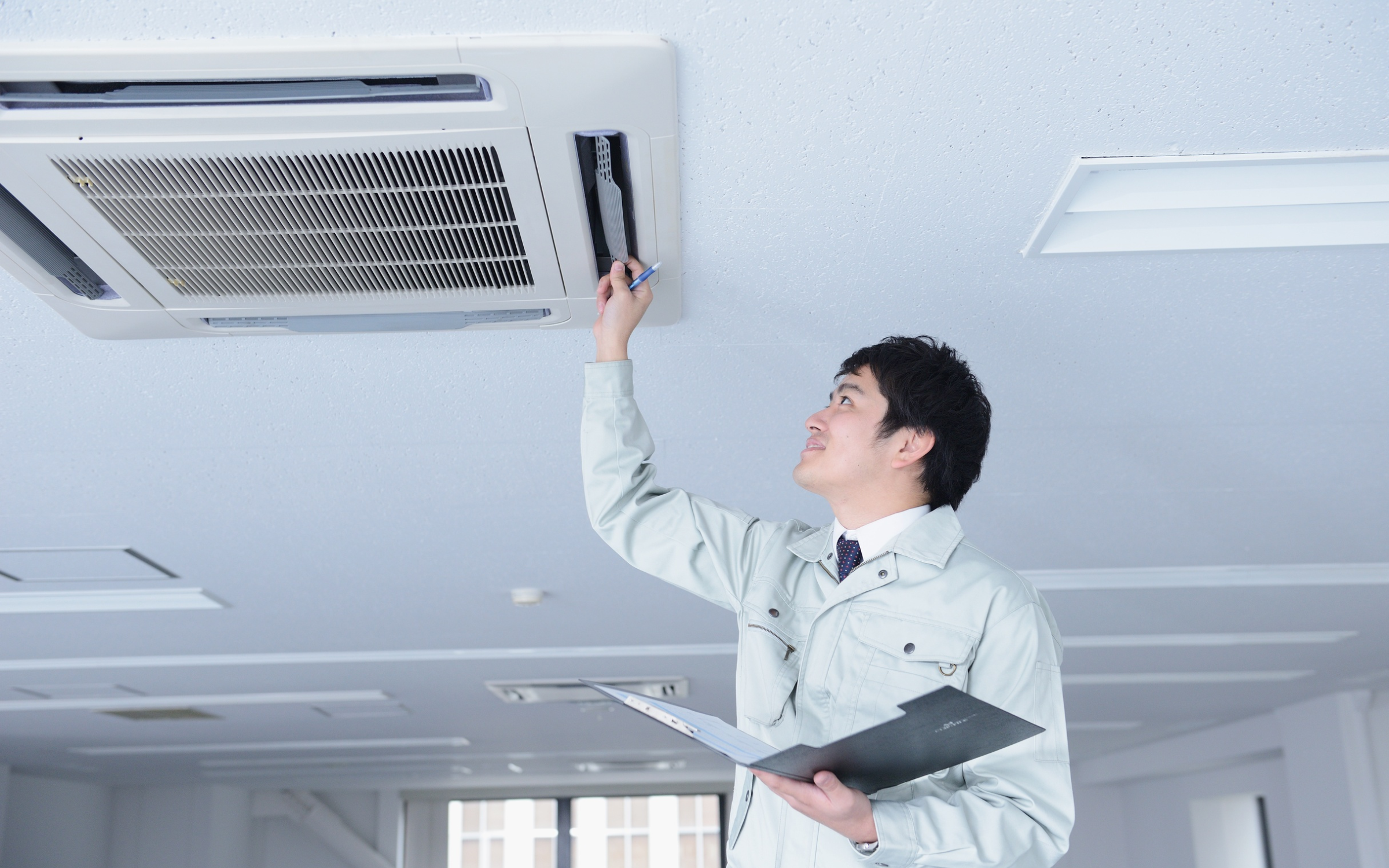
Guests rarely see a hotel's maintenance and engineering team, but they rely on it every minute of their stay. When the air conditioning hums, the hot water runs and the elevators work, it's because someone fixed, tested or replaced something, often late at night and often alone.
That work carries real risk. Hotel engineers move between electrical panels, boiler rooms, laundry machinery, pool chemical rooms and rooftops in a single shift. Unlike a factory maintenance crew, they usually do it in a building full of guests, with a small team and a long list of urgent calls. This guide covers the main hazards and the controls that keep hotel maintenance staff safe.
Why Hotel Maintenance Is High-Risk Work
Think about what keeps a family-friendly Orlando resort running: hundreds of guest suites with their own HVAC units, kitchens and washer/dryers, plus pools, a spa, a commercial laundry and the plant equipment that serves them all. A small engineering team may be responsible for all of it, around the clock.
That mix creates a few recurring problems:
- Variety of hazards. One technician may handle electrical, mechanical, chemical and work-at-height tasks in the same day.
- Time pressure. A broken AC unit or a no-hot-water complaint needs a fast fix, which tempts people to skip steps.
- Working alone. Overnight and weekend shifts are often covered by one engineer.
- Guests nearby. Work zones overlap with hallways, pools and public areas.
Lockout/Tagout on HVAC, Laundry and Kitchen Equipment
Most serious maintenance injuries happen when equipment starts up, moves or releases energy while someone is working on it. OSHA's lockout/tagout standard, 29 CFR 1910.147, applies whenever servicing or maintenance could expose workers to unexpected energization or stored energy.
Where lockout/tagout matters in a hotel
- HVAC systems: rooftop units, air handlers, chillers and in-room fan coil units, which can restart automatically on a thermostat call.
- Commercial laundry: washer-extractors, dryers, ironers and folders, with rotating drums, heat and chemical injection lines.
- Kitchen equipment: mixers, slicers, dishwashers and exhaust fans.
- Pumps and motors: pool circulation pumps, booster pumps and elevator machinery.
What a good program looks like
- Written, equipment-specific procedures that list every energy source, including electrical, gas, steam, water pressure and stored energy in springs or capacitors.
- Each worker applies their own lock and tag, and verifies zero energy before starting work.
- Locks and tags are issued to authorized employees only, and trained staff know never to remove someone else's lock.
- Procedures are inspected at least once a year, as the standard requires.
A thermostat call that restarts a fan coil unit, or a dryer drum that turns while a technician clears a jam, is exactly what lockout/tagout prevents.
Boiler Rooms and Mechanical Spaces
Boiler rooms and mechanical spaces combine heat, pressure, combustion and tight quarters.
- Pressure and burns: steam, hot water and hot surfaces can cause severe burns. Pressure relief valves must be tested and never blocked or adjusted outside the manufacturer's limits.
- Carbon monoxide: gas-fired boilers and water heaters can produce carbon monoxide if venting fails. Fixed CO detectors and personal gas detection give early warning.
- Inspections and licensing: many states require boiler inspections and certificates, and some require licensed operators. Check your state and local rules.
- Confined spaces: entering a boiler, tank, vault or pit may be a permit-required confined space entry under 29 CFR 1910.146, with atmospheric testing and a rescue plan.
- Water systems: cooling towers, hot water systems and spas can grow Legionella. A water management program, such as one based on ASHRAE Standard 188, protects both guests and staff.
Pool Chemical Rooms
Pool and spa maintenance means handling chlorine, acids and other corrosive chemicals. Mixing incompatible products, such as acid and chlorine, can release toxic gas.
- Store chemicals separately, in labeled containers, in a ventilated room.
- Keep safety data sheets accessible and train staff on them.
- Provide chemical-resistant gloves, goggles and face shields.
- Where corrosive materials are handled, OSHA requires suitable facilities for quick drenching or flushing of the eyes and body, such as an eyewash station.
Rooftop Work and Fall Protection
Rooftop HVAC units, exhaust fans, satellite equipment and drains bring engineers to the roof regularly, often in heat, wind or rain.
- Fall protection: OSHA's walking-working surfaces rules, 29 CFR 1910.28, require fall protection near unprotected roof edges 4 feet or more above a lower level. Low-slope roofs have specific rules based on how close the work is to the edge.
- Skylights and roof hatches: these are fall hazards too and need guarding or covers.
- Ladders: fixed and portable ladders should be inspected and used with three points of contact.
- Weather: set clear rules for stopping roof work in high winds, lightning or extreme heat, and watch for signs of heat stress in summer.
After-Hours Repairs and Working Alone
Night and weekend shifts are where hotel maintenance risk is often highest. A burst pipe at 2 a.m. or an elevator fault on a Sunday is usually handled by a single on-call engineer. If that person is injured in a basement plant room or on a roof, no one may know for hours.
Treat after-hours engineers as lone workers and plan for it:
- Define high-risk tasks that should never be done alone, such as confined space entry, live electrical work and roof work near edges.
- Set check-in intervals for lone work, and tell the front desk or security when an engineer enters a remote area.
- Use lone worker monitoring, such as a mobile app with timed check-ins, an SOS button and fall or no-motion alerts.
- Plan the escalation: decide who follows up on a missed check-in, how fast, and when to call emergency services.
- Keep communication working in basements and plant rooms, where cell signal is often weak.
Building a Safer Engineering Department
- Run job hazard analyses for common tasks, such as PTAC replacement, dryer lint removal and pool pump service.
- Apply the hierarchy of controls, favoring guards, isolation and better equipment over PPE alone.
- Train and document lockout/tagout, confined space, chemical handling and fall protection, with refreshers when equipment or procedures change.
- Separate work zones from guests with signs, barriers and cones.
- Report near misses as well as injuries. SafetyIQ's incident management software helps teams log events quickly and spot patterns across a property.
Frequently Asked Questions
Does lockout/tagout apply to hotels?
Yes. OSHA's lockout/tagout standard applies to any workplace where servicing or maintenance could expose workers to unexpected energization or stored energy, including hotels and resorts with HVAC, laundry, kitchen and pump equipment.
Is a hotel boiler room a confined space?
The boiler room itself usually isn't, but the inside of a boiler, tank, vault or pit can be. If the space has limited entry and a hazardous atmosphere or other serious hazard, it may be a permit-required confined space.
What fall protection is needed for rooftop HVAC work?
Under 29 CFR 1910.28, workers near unprotected roof edges 4 feet or more above a lower level need fall protection, such as guardrails, safety nets or personal fall arrest systems. Low-slope roofs have specific requirements based on distance from the edge.
How should hotels protect engineers who work alone at night?
Limit high-risk tasks to times when a second person is available, set regular check-ins, give engineers a way to call for help instantly, and have a clear plan for responding to missed check-ins.
Keep the Building Running and the Team Safe
A hotel's engineering team keeps guests comfortable, but their own safety deserves the same attention. Clear lockout/tagout procedures, safe boiler and chemical rooms, proper fall protection and a real plan for after-hours lone work prevent the injuries that are most common in hospitality maintenance. Build those controls into everyday routines, and the team can respond quickly to every call without taking chances.
SafetyIQ brings incidents, inspections, training, journey management, lone worker safety and fatigue into one mobile app. Tell us about your crews and sites for tailored pricing.
Safety insights, straight to your inbox
New guides, monthly safety topics and SafetyIQ updates for EHS and operations leaders. Unsubscribe anytime.

Get a demo built around your sites, your teams, and the way your people work.
EHS, journey, and fatigue management software for field-heavy teams.


