
The Common Causes of Construction Delays
Construction delays cost time and money. Learn the most common causes and practical strategies to keep your project on schedule.
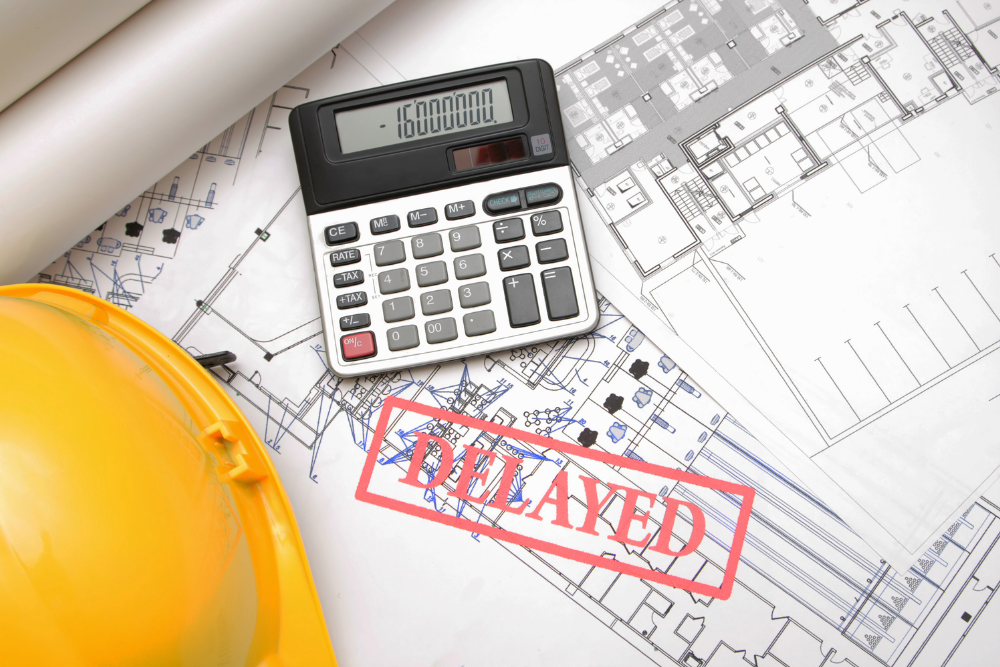
Few things threaten a construction project's profitability and client relationships quite like a schedule delay. Every day a project runs behind schedule adds overhead costs, strains subcontractor coordination, and, in many cases, puts the contractor at risk of contractual penalties. Yet despite decades of industry experience, delays remain one of the most common problems construction teams face, project after project.
The reality is that most construction delays aren't caused by a single dramatic event. They're the result of small, often predictable issues that compound over the life of a project: a permit that takes longer than expected, a material shipment that arrives late, a subcontractor that's spread too thin across multiple jobs. Understanding these recurring causes, and building processes to catch them early, is the most effective way to keep a project on schedule.
This guide breaks down the most common causes of construction delays and the practical strategies experienced project teams use to prevent them.
Planning and Design-Related Delays
Many delays originate long before the first crew arrives on site, rooted in how a project was planned and designed.
Incomplete or Inaccurate Plans
When construction documents are incomplete, contain conflicting information, or fail to account for existing site conditions, field crews are often forced to pause work while questions get resolved through the RFI process. Every RFI represents time spent waiting for an answer, and if plans are riddled with gaps or inconsistencies, these delays can accumulate quickly across the life of a project.
Design Changes During Construction
Changes to the design after construction has already begun are one of the most disruptive sources of delay. Even a relatively minor design revision can require reworking completed work, reordering materials, or renegotiating subcontractor scopes, all of which take time. Design changes late in a project are particularly costly, since they often affect multiple trades that have already sequenced their work around the original plan.
Slow Permitting and Approval Processes
Permitting timelines vary significantly by jurisdiction, and delays in obtaining necessary permits or approvals can push back a project's start date or halt work mid-construction if a required inspection or sign-off isn't secured in time. Projects that don't build realistic permitting timelines into their initial schedule are especially vulnerable to this type of delay, since permitting delays are often outside the contractor's direct control.
Labor and Workforce Delays
Labor availability and coordination issues are among the most frequently cited causes of construction delays across the industry.
Skilled Labor Shortages
Many regions and trades are experiencing ongoing shortages of skilled labor, which can make it difficult to staff a project at the pace originally planned. When a contractor can't secure enough qualified workers for a specific trade, whether that's electrical, plumbing, or specialized finish work, the schedule for that phase of work slips, often creating a ripple effect for every trade scheduled after it.
Subcontractor Overextension
Subcontractors frequently work across multiple projects simultaneously, and when a sub is overextended, one project's schedule inevitably suffers to accommodate another. This is particularly common with in-demand trades during periods of high construction activity, when subcontractors have more work available than they can realistically staff without stretching their crews thin.
Poor Subcontractor Scheduling Coordination
Even when subcontractors aren't overextended, poor coordination between trades can create bottlenecks. If a general contractor doesn't clearly sequence and communicate when each trade is expected on site, subcontractors may show up before the site is ready for their work, or conflicting trades may end up competing for the same space at the same time, both of which cause avoidable delays.
Absenteeism and Turnover
High turnover and absenteeism within a labor force can slow progress in ways that are difficult to predict during initial scheduling. Projects staffed with less experienced or frequently changing crews often see reduced productivity, which extends timelines even when labor is technically available on-site.
Material and Supply Chain Delays
Material availability has become an increasingly significant driver of construction delays, particularly for specialty or custom-order items.
Long Lead Times on Materials
Certain materials, particularly custom fabricated items, specialty equipment, or products sourced internationally, can carry lead times of many months. If these long lead-time items aren't ordered early enough in the project timeline, the entire schedule can be held hostage waiting for a single delivery.
Supply Chain Disruptions
Broader supply chain disruptions, whether caused by manufacturing delays, shipping bottlenecks, or raw material shortages, can affect material availability in ways that are largely outside a contractor's control. Projects that don't build contingency time into their schedule for potential material delays are especially exposed when these disruptions occur.
Improper Material Tracking and Receiving
Even when materials are ordered on time, poor tracking of deliveries can create delays if a shipment arrives and isn't properly logged, inspected, or staged for the crews that need it. A lack of visibility into what's been delivered, what's still outstanding, and what's on order makes it difficult for project managers to proactively address gaps before they stall work on site.
Site Conditions and External Factors
Some delays stem from factors that are difficult or impossible to fully predict during initial planning.
Weather Delays
Weather remains one of the most common and unavoidable causes of construction delays, particularly for projects with significant exterior or site work. While weather itself can't be controlled, projects that don't account for seasonal weather patterns or build reasonable weather contingency into the schedule are more likely to see weather-related delays cascade into larger scheduling problems.
Unforeseen Site Conditions
Existing site conditions, such as unexpected soil composition, buried utilities, or structural issues in renovation projects, frequently aren't fully known until work is already underway. When these conditions differ significantly from what was assumed during planning, the project often requires a pause to assess the issue, redesign the affected scope, and secure any necessary approvals before work can resume.
Environmental and Regulatory Issues
Site conditions can also trigger environmental or regulatory review requirements that weren't anticipated during initial planning, such as the discovery of contaminated soil or protected habitats. These issues typically require specialized assessment and remediation before construction can continue, often adding significant time to the schedule.
Communication and Coordination Delays
Many construction delays trace back not to any single external factor, but to breakdowns in communication between the people managing different parts of the project.
Poor Field-to-Office Communication
When field teams don't have an efficient way to report issues, delays, or needs back to the office in real time, problems that could have been addressed quickly instead sit unresolved for days. A material shortage or a subcontractor scheduling conflict that's flagged immediately can often be resolved with minimal schedule impact; the same issue discovered a week later during a routine check-in can cause a much more significant delay.
Inefficient RFI and Submittal Processes
The RFI and submittal review process is essential for resolving questions and confirming that materials and methods meet project specifications, but when this process is slow or disorganized, it becomes a major source of delay. Projects that don't have clear timelines and accountability for RFI responses often see field crews waiting on answers far longer than necessary, stalling work that depends on that clarification.
Lack of a Centralized Project Schedule
When different stakeholders, including the general contractor, subcontractors, and the client, aren't working from the same up-to-date schedule, misalignment naturally occurs. A subcontractor working from an outdated schedule might show up at the wrong time, or a client might not realize a decision they need to make is holding up the entire timeline, simply because the current schedule status wasn't clearly communicated to everyone who needed it.
Strategies to Prevent Construction Delays
While not every cause of delay can be fully eliminated, most can be significantly mitigated with the right planning, communication, and monitoring practices.
Build Realistic Contingency Into the Schedule
Just as budgets benefit from a contingency reserve, project schedules should include reasonable buffer time to absorb predictable sources of delay, such as weather or minor permitting issues. A schedule with zero flexibility is almost guaranteed to slip the moment any unexpected issue arises, while a schedule with realistic contingency can absorb minor setbacks without derailing the overall completion date.
Order Long Lead-Time Materials Early
Identifying which materials carry extended lead times during the precon phase, and placing those orders as early as possible, is one of the most effective ways to prevent material-related delays. This requires close coordination between the estimating, procurement, and scheduling teams to ensure long lead-time items aren't overlooked until it's too late to order them without impacting the schedule.
Improve Real-Time Field-to-Office Communication
Giving field teams an efficient way to report progress, flag issues, and document delays as they happen allows project managers to intervene quickly, before a small issue becomes a significant schedule impact. This is one of the highest-leverage improvements a construction company can make, since so many delays are made worse simply by the time it takes for information to travel from the field to the people who can act on it.
Coordinate Subcontractor Schedules Proactively
Rather than assuming subcontractors will simply show up when expected, proactive coordination, including regular check-ins on subcontractor capacity and clear communication of sequencing expectations, helps prevent the scheduling conflicts and overextension issues that frequently cause delays. This is especially important during periods of high industry-wide demand, when subcontractor availability is tightest.
Streamline the RFI and Submittal Process
Establishing clear expectations and deadlines for RFI responses and submittal reviews, and tracking these processes closely rather than letting them sit in email inboxes, reduces the amount of time field crews spend waiting on answers before they can proceed with their work.
Maintain a Single, Up-to-Date Project Schedule
Ensuring that everyone involved in a project, from the general contractor to subcontractors to the client, is working from the same current schedule reduces the miscommunication and misalignment that frequently cause avoidable delays. When schedule updates happen in a system that everyone can access, rather than being communicated inconsistently through email or phone calls, stakeholders are far more likely to stay aligned on current expectations.
The Role of Technology in Preventing Construction Delays
Many of the strategies above depend on timely, accurate information moving efficiently between the field and the office, which is difficult to achieve consistently with manual, paper-based processes. Construction management software that connects daily field reports, RFIs, submittals, material tracking, and scheduling into a single system gives project teams the visibility they need to catch potential delays early, while there's still time to respond, rather than discovering the impact after it's already affected the schedule.
Frequently Asked Questions About Construction Delays
What is the most common cause of construction delays?
While the specific cause varies by project and region, industry surveys and research consistently identify labor-related issues, including skilled labor shortages and subcontractor scheduling conflicts, along with material delays and poor communication, as among the most frequently cited causes of construction delays. Weather is also commonly cited, though its impact varies significantly depending on project location, time of year, and the amount of exterior work involved. It's worth noting that delays are rarely caused by a single isolated factor; more often, a project experiences a combination of smaller issues, such as a minor material delay compounded by a subcontractor scheduling conflict, that together create a more significant overall schedule impact than any one factor would cause on its own.
How can weather delays be minimized on a construction project?
While weather itself can't be controlled, its impact on a project's schedule can be significantly reduced through proactive planning. This starts with building realistic weather contingency into the initial schedule based on historical weather patterns for the project's location and time of year, rather than assuming ideal conditions throughout construction. Sequencing weather-sensitive work, such as concrete pours or exterior finishes, during periods of the year with historically more favorable weather can also reduce exposure to weather-related delays. Additionally, having contingency plans for weather-dependent tasks, such as temporary protection measures or the ability to shift crews to interior work during poor weather, allows a project to continue making progress even when exterior work is temporarily halted.
How do RFIs contribute to construction delays?
Requests for information, or RFIs, are a normal and necessary part of construction, used to clarify ambiguities or resolve conflicts in the construction documents. However, RFIs contribute to delays when the response process is slow or poorly managed. If field crews submit an RFI and don't receive a timely response, work that depends on that clarification often has to pause, and if this happens repeatedly across a project with an inefficient RFI process, the cumulative delay can be substantial. Contractors can reduce RFI-related delays by establishing clear response time expectations with the design team, tracking outstanding RFIs closely rather than letting them sit unaddressed, and, where possible, front-loading potential questions during precon review to catch ambiguities before construction begins rather than discovering them mid-project.
What role does subcontractor coordination play in avoiding delays?
Subcontractor coordination is one of the most significant factors in keeping a multi-trade construction project on schedule, since delays with one trade frequently cascade into delays for every subsequent trade scheduled after it. Effective coordination requires clear communication of sequencing expectations well in advance, regular check-ins to confirm subcontractor capacity and availability, and prompt resolution of any conflicts between trades competing for the same space or resources. General contractors who wait until a subcontractor fails to show up as scheduled to address coordination issues are typically already too late to prevent a schedule impact; proactive coordination, checking in with subcontractors before their scheduled start date to confirm readiness, is far more effective at preventing delays than reactive problem-solving after a delay has already occurred.
Can construction management software actually prevent delays, or does it only help track them?
Construction management software primarily functions as a tool for earlier detection and faster response to developing delays, rather than eliminating the underlying causes entirely. By connecting daily field reports, RFIs, material tracking, and scheduling into a single, real-time system, project managers gain visibility into potential delay triggers, such as a stalled RFI or a material shipment that hasn't arrived as expected, while there's still time to intervene. This earlier visibility often makes the difference between a minor, manageable schedule adjustment and a significant delay that affects the entire project timeline. While software can't prevent external factors like weather or supply chain disruptions, it significantly improves a project team's ability to respond quickly and minimize the downstream impact of these unavoidable issues, which is often where the real difference between a well-managed project and a chronically delayed one becomes apparent.
SafetyIQ brings incidents, inspections, training, journey management, lone worker safety and fatigue into one mobile app. Tell us about your crews and sites for tailored pricing.
Safety insights, straight to your inbox
New guides, monthly safety topics and SafetyIQ updates for EHS and operations leaders. Unsubscribe anytime.



Get a demo built around your sites, your teams, and the way your people work.
EHS, journey, and fatigue management software for field-heavy teams.

.png)

.png)