
June Safety Topics for the Workplace
See our complete June workplace safety guide for topics on heat illness, electrical safety, storm preparedness, slips and falls, sun safety, and more.
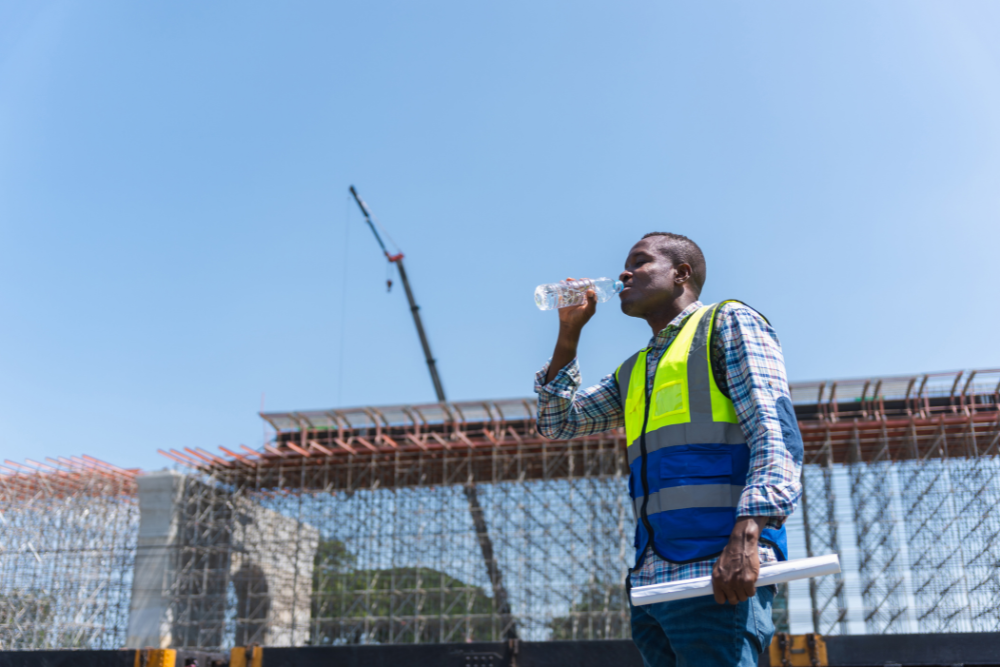
Summer is here, and with it comes a fresh set of hazards that can catch workers and safety managers off guard. June marks the official start of the season — longer days, rising temperatures, increased outdoor work, and a shift in workplace rhythms that demands renewed attention to safety fundamentals. For safety professionals, HR teams, and frontline supervisors, this month is a critical window to reinforce protocols, retrain teams, and get ahead of the risks that peak during summer months.
This guide covers the most important workplace safety topics for June, from heat-related illness prevention to electrical safety awareness, summer storm preparedness, and more. Use it as a resource for toolbox talks, safety meetings, training refreshers, and your June safety calendar.
Why June Is a High-Risk Month for Workplace Safety
Most people associate workplace accidents with high-stress periods like year-end production pushes or holiday rushes. But June quietly ranks among the most hazardous months of the year for several intersecting reasons.
Temperatures climb sharply, particularly in the South, Southwest, and inland regions. Workers who spent the winter and spring in cooler conditions are suddenly reintroduced to physical labor in heat and humidity — a combination that strains the cardiovascular system and impairs cognitive function long before visible symptoms appear. At the same time, construction, landscaping, agriculture, utilities, and logistics sectors all ramp up activity, putting more workers outdoors and in physically demanding conditions.
Daylight saving time means workers may start earlier shifts in full sun. Seasonal staff and summer hires — often younger and less experienced — join teams without the accumulated safety knowledge of long-term employees. And there's a psychological dimension, too: the mental shift toward "summer mode" can subtly erode vigilance, particularly on Fridays and in the lead-up to the Fourth of July holiday period.
Understanding these converging factors helps safety managers move from reactive to proactive, and that starts with the topics below.
Heat Illness Prevention: The #1 June Safety Priority
Understanding the Heat Illness Spectrum
Heat stress and illness are not a single condition — it exists on a spectrum, and workers (and their supervisors) need to recognize every stage of it. At the mild end is heat cramps, painful muscle spasms usually affecting the legs and abdomen, caused by fluid and electrolyte loss during heavy sweating. Heat cramps are the body's first warning signal and should never be dismissed as just "part of the job."
Heat exhaustion is the next stage. Symptoms include heavy sweating, weakness, cold or pale clammy skin, a fast or weak pulse, nausea, and possible fainting. A worker experiencing heat exhaustion needs to be moved to a cool environment immediately, given water or a sports drink if conscious, and monitored closely. Left unaddressed, heat exhaustion can rapidly escalate.
Heat stroke is a medical emergency. The body's cooling mechanism has failed. Skin becomes hot and red, the pulse is rapid and strong, and the worker may lose consciousness. Core body temperature can exceed 104°F (40°C). Call 911 immediately. Do not leave the person unattended. Cool them by any means available — ice packs to the neck, armpits and groin, cool water immersion if possible — while waiting for emergency services.
The OSHA Heat Index Framework and Work-Rest Ratios
OSHA's heat index framework divides risk into four action levels: Lower Risk (under 91°F), Moderate Risk (91–103°F), High Risk (103–115°F), and Very High to Extreme Risk (above 115°F). Each level carries specific recommended actions.
At moderate risk, ensure workers have access to cool water — at least one cup every 20 minutes — shaded rest areas, and that new or returning workers are on an acclimatization schedule. At high risk, implement mandatory work-rest cycles. A common standard is 45 minutes of work followed by 15 minutes of rest in shade or a cool area. Assign a buddy system so no worker is monitoring their own condition alone.
Acclimatization is one of the most critical and overlooked elements of heat safety. New workers should not be thrown into full-intensity outdoor work on day one of a heat wave. NIOSH and OSHA recommend new employees work no more than 20% of their shift in the heat on day one, increasing by 20% each subsequent day, reaching full exposure only after 7–14 days.
Hydration, Clothing, and Environmental Controls
The hydration rule is simple and worth repeating at every June safety meeting: water, rest, shade. Workers should be drinking water before they feel thirsty — thirst is already a sign of mild dehydration. Avoid caffeinated drinks and alcohol, which accelerate fluid loss.
Clothing choices matter significantly. Loose-fitting, light-colored, breathable fabrics reduce radiant heat absorption. Where the job permits, wide-brimmed hats and UV-protective clothing provide meaningful protection. For workers required to wear PPE — particularly impermeable suits, respirators, or heavy protective equipment — the heat burden increases dramatically and work-rest cycles need to be shortened accordingly.
Environmental controls include scheduling the most physically demanding tasks during the cooler morning hours, providing portable shade structures or canopies for outdoor work areas, and using misting fans where feasible. Supervisors should be walking the site in high heat periods, looking for early warning signs — not waiting for workers to report symptoms themselves.
Electrical Safety Awareness in Summer
June is National Electrical Safety Month (which runs through the end of the month in many industry campaigns), making it an ideal time to revisit electrical hazards with your team; especially given that summer's increased use of outdoor equipment, temporary power setups, and wet conditions creates elevated risk.
Common Summer Electrical Hazards
Outdoor power tools and extension cords are among the leading causes of electrical incidents in summer. Cords run across wet grass or pooled water, damaged insulation baked by sun exposure, and overloaded circuits from fans and cooling equipment all create shock and fire hazards. Workers should inspect every extension cord before use, looking for fraying, cracking, or damaged plugs, and should never use indoor-rated cords outdoors.
Ground fault circuit interrupters (GFCIs) are mandatory for outdoor and wet-location work under OSHA standards. Verify that all outdoor outlets and temporary power distribution equipment on jobsites are GFCI-protected. Portable GFCI devices are inexpensive and can be a lifesaver when working away from fixed outlet locations.
Overhead power line contact remains one of the most deadly electrical hazards in construction, landscaping, and utility work. As summer projects ramp up — roofing, tree trimming, crane operation, scaffolding erection — the risk of inadvertent contact with energized overhead lines rises. OSHA requires a minimum 10-foot clearance from lines rated up to 50kV. Review these distances with any crew working at height or with extended equipment such as ladders, boom lifts, or dump trucks.
Lockout/Tagout Refresher
Summer maintenance seasons often mean equipment is being serviced, modified, or repaired more frequently. Lockout/tagout (LOTO) procedures are among the most violated OSHA standards, and violations are frequently fatal. Use June to conduct a refresher on your facility's LOTO procedures: verify that energy control programs are current, that all authorized employees have been trained, and that equipment-specific procedures are posted at each relevant machine. Audit your lockout hardware — are there enough devices? Are padlocks labeled and assigned?
Storm and Severe Weather Preparedness
June kicks off severe weather season across much of North America. Tornadoes, thunderstorms, flash floods, and high winds can develop rapidly, and outdoor workers in particular are highly vulnerable.
Developing and Communicating a Severe Weather Action Plan
Every workplace — indoor and outdoor — should have a documented severe weather action plan. For outdoor operations this means identifying designated shelter locations in advance, establishing a clear chain of communication for weather alerts, and defining weather triggers for work stoppages. Lightning is one of the most underappreciated workplace hazards: the National Weather Service recommends the 30/30 rule — seek shelter if the time between a lightning flash and thunder is 30 seconds or less, and wait 30 minutes after the last thunder before resuming outdoor work.
Weather monitoring apps and services have become sophisticated enough that site supervisors should have real-time radar access on their phones or tablets. Consider designating a weather spotter role on large outdoor job sites. When forecasts call for afternoon thunderstorms — the most common pattern in summer — plan to schedule sensitive outdoor tasks in the morning hours.
Flash Flood and Heat Dome Awareness
Flash flooding is particularly dangerous for workers in low-lying areas, trenches, excavations, and near drainage channels. June rains can rapidly transform a dry ditch into a fatal trap. Never enter or remain in an excavation when rain is occurring or imminent without verified drainage controls and a spotter.
Slips, Trips, and Falls: Summer-Specific Factors
Slips, trips, and falls are the leading cause of workplace injuries year-round, but summer introduces specific new variables. Wet surfaces from outdoor hoses, irrigation systems, afternoon thunderstorms, and increased foot traffic in and out of air-conditioned spaces (where condensation can form on floors) all contribute to slip hazards.
Outdoor work surfaces — gravel, uneven ground, sun-softened asphalt, and wet decking — demand footwear with appropriate grip and ankle support. Ensure walkways and access paths on outdoor job sites are clearly marked, kept clear of debris, and assessed after any rain event before work resumes.
Falls from height remain a critical concern as roofing, exterior painting, window installation, and other elevated summer work accelerates. Conduct a fall protection audit this month: inspect all harnesses for wear, check anchor points and tie-off locations, review rescue plans, and verify that all workers required to use fall protection have been trained within the past year.
Sun Safety and UV Exposure
It's easy to treat sunburn as a minor inconvenience rather than a genuine occupational health issue. For workers spending four, six, or eight hours a day in direct sunlight, cumulative UV exposure is a serious long-term health risk — and acute sunburn has immediate implications for worker comfort, hydration, and performance.
Implement a sun safety policy that includes expectations around sunscreen use (SPF 30 minimum, reapplied every two hours), the availability of sunscreen at field locations, appropriate clothing, and shade access. Workers who regularly experience sunburn are at significantly elevated risk for skin cancer over a career. Normalizing sun protection as standard PPE — just like gloves or safety glasses — is a cultural shift worth making in June.
Mental Health and Summer Workforce Dynamics
Addressing Fatigue and Seasonal Stress
Heat-related fatigue isn't just physical. Sustained work in high heat impairs concentration, increases irritability, and can contribute to errors that lead to injuries. Workers who are chronically fatigued from hot conditions are more likely to take shortcuts on safety procedures.
Supervisors should be attuned to behavioral changes in their teams during heat waves: increased conflict, slower response times, poor decision-making, and reduced communication can all be signs of heat-related cognitive impairment. Creating psychological safety — where workers feel comfortable reporting that they're struggling with the heat, or that they need a rest — is as important as having shaded rest areas available.
Onboarding Summer and Seasonal Workers Safely
Many organizations see a surge of temporary, seasonal, or student workers in June. These workers often lack experience, may be reluctant to ask questions or flag concerns, and statistically suffer disproportionate injury rates in their first weeks on the job. A robust safety onboarding program and safety policies — not just a form to sign, but genuine hands-on orientation to the specific hazards of their role — is essential. Assign experienced mentors or buddies, and check in frequently during the first two weeks.
June Safety Calendar: Key Observances and Action Items
Use these touchpoints to structure your June safety programming:
- First week of June: Heat illness prevention toolbox talk; distribute hydration supplies; review heat emergency response procedures.
- National Safety Month (all of June): OSHA designates June as National Safety Month. Align your internal campaigns with this theme.
- Electrical Safety Month wrap-up: Conduct a GFCI audit, LOTO refresher, and cord/tool inspection.
- Mid-month: Severe weather preparedness drill; update emergency contact lists.
- Late June/pre-Fourth of July: Reinforce "no shortcuts" messaging as the holiday period approaches and attention drifts.
June Safety Topics: Frequently Asked Questions
At what temperature should outdoor work be stopped entirely?
There is no single universally mandated temperature threshold for stopping outdoor work under federal OSHA standards, though OSHA's proposed Heat Illness Prevention rule (currently in rulemaking) would formalize requirements. In practice, the heat index — which combines temperature and humidity — is a more meaningful measure than air temperature alone. At heat index values above 103°F, OSHA recommends implementing mandatory rest periods and enhanced monitoring. Above 115°F, conditions are considered "very high to extreme risk" and all non-essential outdoor work should be suspended. Some states with their own OSHA plans, including California and Oregon, have more prescriptive standards with specific temperature triggers.
How long does heat acclimatization take, and does it carry over from year to year?
Full acclimatization typically takes 7 to 14 days of gradual heat exposure, during which the body adapts by increasing plasma volume, improving sweat rate and efficiency, and lowering working heart rate. Importantly, acclimatization built over a previous summer does not fully carry over. Workers who spent winter and spring in cooler conditions need to re-acclimatize each season. Fitness level can shorten the process, but even highly fit workers remain at elevated risk during the first week of renewed heat exposure.
What are the most commonly cited OSHA violations in summer months?
Summer months tend to see elevated citation rates in several categories. Heat illness prevention violations (failure to provide water, shade, or rest) are increasingly cited as OSHA enforcement has intensified in recent years. Fall protection violations in construction peak with summer roofing and exterior work. Electrical safety citations — particularly GFCI non-compliance and lack of LOTO procedures — are consistent year-round but frequently discovered during summer maintenance seasons. Struck-by hazards from outdoor equipment and vehicles also increase as project activity accelerates.
How should we handle a worker who refuses to take a rest break in heat?
This is both a safety and supervisory challenge. Workers sometimes resist rest breaks due to productivity pressure, a desire not to appear weak, or simply not yet recognizing their own symptoms. The first step is creating an environment where rest is expected and normalized — supervisors should take breaks alongside workers and enforce rest schedules uniformly, not selectively. If a worker refuses a mandatory rest break, a supervisor has the authority — and the obligation — to enforce it. Frame it as a non-negotiable safety standard, not a personal judgment. Document the interaction. Workers can't effectively self-assess their heat illness risk once cognitive impairment begins, which is precisely why mandatory rest and monitoring protocols exist.
What should be included in a basic workplace heat emergency response plan?
A functional heat emergency response plan should include: identification of a designated cool recovery area (air-conditioned if possible); a list of trained first aid responders on each shift; clear criteria for calling 911 (any suspected heat stroke is an automatic 911 call); on-site cooling supplies including ice, cold water, and cooling towels or ice packs; a buddy system so no worker is assessing their own condition in isolation; and a communication protocol so supervisors are immediately notified of any heat illness event. The plan should be reviewed with all workers at the start of each hot-weather season and posted visibly at the worksite.
SafetyIQ brings incidents, inspections, training, journey management, lone worker safety and fatigue into one mobile app. Tell us about your crews and sites for tailored pricing.
Safety insights, straight to your inbox
New guides, monthly safety topics and SafetyIQ updates for EHS and operations leaders. Unsubscribe anytime.

.png)
Get a demo built around your sites, your teams, and the way your people work.
EHS, journey, and fatigue management software for field-heavy teams.

.png)

.png)