
How to Plan and Execute Safety Drills
Safety drills save lives. Discover how to plan, execute, and measure effectiveness with frameworks for manufacturing, healthcare, schools, and construction sites.
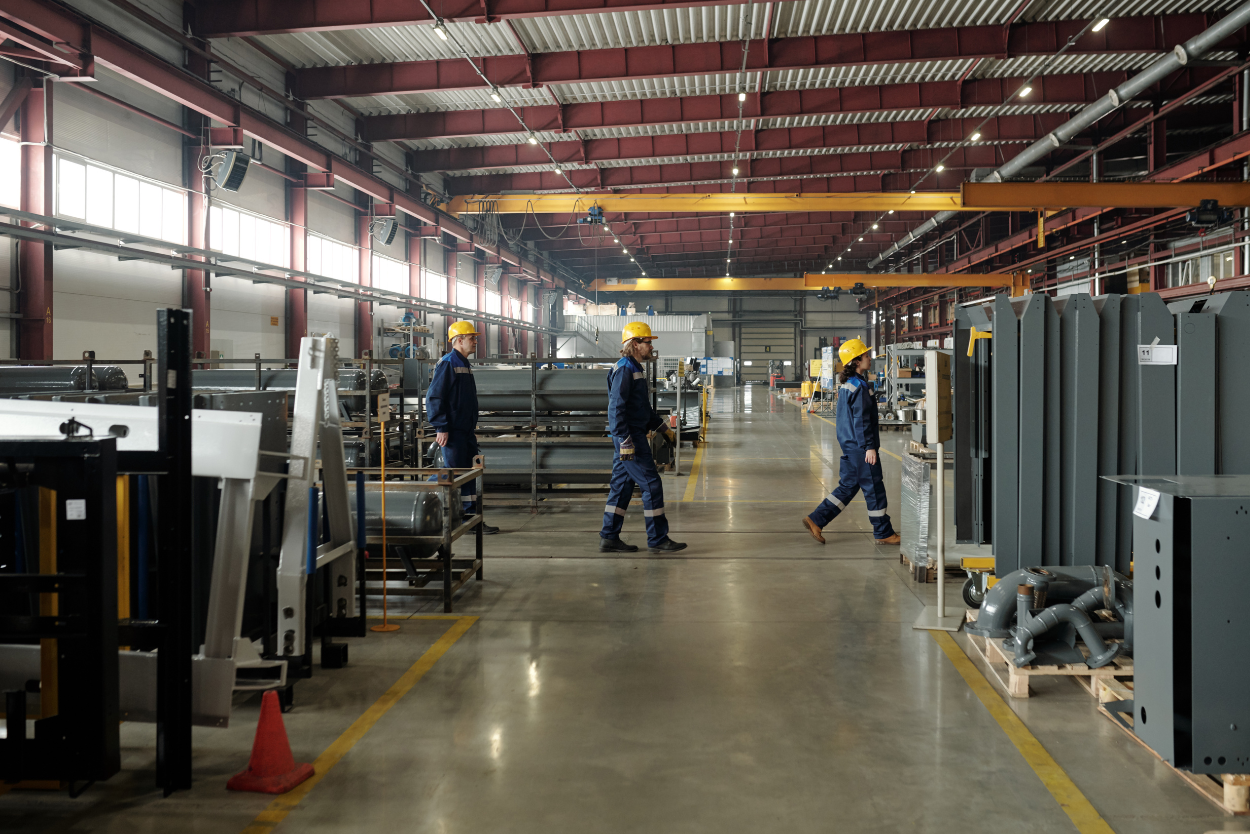
When an emergency strikes, there's no time to figure out what to do. Fire breaks out. A worker is seriously injured. A chemical spill threatens containment. A natural disaster hits. In those critical moments, organizations with practiced, drilled emergency responses protect people effectively. Those without drills face chaos, confusion, and preventable injuries.
Safety drills are how organizations transform emergency response from theory to practiced reality. They test whether employees actually know evacuation routes, whether first responders can coordinate effectively, whether equipment works when needed, and whether people can make good decisions under stress.
Yet many organizations treat safety drills as compliance checkbox tasks—something to do annually because regulations require it, with minimal engagement and limited learning. This approach misses the point entirely. Effective safety drills are powerful learning tools that reveal vulnerabilities, build competency, and create organizational muscle memory for crisis response.
This guide explores what safety drills truly are, why they matter, how to plan them effectively across different industries, and how to measure whether your drills actually improve readiness.
What Are Safety Drills?
Safety drills are planned, structured exercises that simulate emergency scenarios, allowing organizations to test and refine their response capabilities before real emergencies occur.
Definition and Core Purpose
A safety drill is a rehearsal of emergency procedures under controlled conditions. Participants practice the specific actions they would take during an actual emergency—evacuating a building, responding to a medical crisis, containing a spill, or sheltering in place. The goal isn't perfect execution in the simulation, but rather identifying gaps, building competency, and creating organizational readiness.
Drills serve multiple purposes simultaneously:
- Testing readiness – Do emergency procedures actually work as designed?
- Identifying gaps – What breaks down when we try to execute our plans?
- Building competency – Can employees perform required actions under stress?
- Revealing dependencies – Do we have the equipment, communication systems, and personnel needed?
- Creating muscle memory – Through repetition, people internalize emergency responses
- Regulatory compliance – Many regulations require documented drills
The most valuable drills create psychological and procedural readiness—people know what to do and have practiced doing it.
Types of Safety Drills
Evacuation Drills
Employees practice exiting the facility and assembling at designated safe locations. These test whether people know routes, whether routes are clear, and whether accountability procedures work.
Shelter-in-Place Drills
Participants practice securing themselves in designated safe areas without evacuating. These are critical in facilities where evacuation isn't possible or safe (hospitals during active threats, chemical plants during external hazards).
Emergency Response Drills
Employees practice responding to specific emergencies: medical emergencies, fires, hazardous material spills, or workplace violence scenarios. These test whether responders know procedures and have necessary skills.
Communication Drills
Organizations test emergency notification systems, communication protocols, and information cascade procedures. Can alerts reach everyone quickly? Do people receive accurate, timely information?
Lockdown Drills
Participants practice securing facilities and sheltering in place during threats. Common in schools, healthcare facilities, and office buildings.
Tabletop Exercises
Leadership teams gather to discuss how they would respond to a hypothetical emergency scenario. Rather than full-scale physical drills, tabletops focus on decision-making and coordination at the leadership level.
Full-Scale Exercises
Comprehensive simulations involving many participants, multiple departments, and realistic conditions. These test the entire emergency management system.
Why Safety Drills Matter
Organizations that prioritize safety drills achieve dramatically different outcomes when real emergencies occur.
Building Competency and Confidence
Drills create opportunities for people to practice skills, receive feedback, and refine their performance. A fire alarm drill isn't just about evacuating; it's about understanding how to move through stairwells safely, how to account for all personnel, and how to communicate status to coordinators. Through repetition, what initially feels uncertain becomes familiar.
Revealing Vulnerabilities
Drills expose problems that don't appear in planning conversations. An evacuation drill might reveal that an emergency exit is blocked with furniture. A medical response drill might show that first aid supplies are in the wrong location. A communication drill might expose that the alarm system doesn't reach certain areas. These discoveries allow organizations to fix problems before they matter.
Testing Plans Against Reality
On paper, emergency procedures sound logical. In practice, they often encounter friction. Drills test whether procedures actually work in real conditions—whether people can actually move through evacuation routes, whether communication systems function, whether coordination between departments flows smoothly.
Creating Psychological Readiness
People who have experienced an emergency scenario (even simulated) show less panic and better decision-making when real emergencies occur. This psychological readiness—the confidence that comes from having practiced—is invaluable.
Demonstrating Regulatory Compliance
Many regulations require documented safety drills. OSHA requires certain facilities to conduct fire drills. Healthcare regulations require emergency preparedness drills. Schools must conduct lockdown and evacuation drills. Documented drills provide evidence of compliance.
Building Organizational Culture
Organizations that take safety drills seriously send a message that emergency preparedness matters. When leadership participates, when debriefs are taken seriously, and when recommendations are implemented, employees recognize that safety is genuinely valued.
Types of Safety Drills and When to Use Them
Different drills serve different purposes and reveal different vulnerabilities. Effective emergency preparedness programs use multiple drill types.
Evacuation Drills
Purpose: Test whether people can exit facilities safely and completely. Evacuation drills are foundational; most regulations require them.
Frequency: Minimum annually, but more frequently is better. Schools often conduct evacuation drills monthly. High-hazard facilities might drill quarterly.
What to measure: Time to evacuation, completeness of accounting, identification of blocked exits or hazards, adherence to assembly procedures.
Sheltering-in-Place Drills
Purpose: Test whether people can secure themselves in safe areas during emergencies when evacuation isn't safe or possible.
When used: Hospitals sheltering patients during external threats, chemical plants during external hazmat incidents, schools during severe weather or external threats.
What to measure: Speed of sheltering, whether sealing procedures work, communication effectiveness, resource adequacy.
Medical Emergency Drills
Purpose: Test whether responders can access and treat injured persons effectively, whether communication flows to emergency services, whether equipment is accessible and functional.
Frequency: At least annually, more often in high-risk environments.
What to measure: Response time, treatment competency, communication with emergency services, ability to manage multiple casualties.
Tabletop Exercises
Purpose: Test leadership decision-making, inter-departmental coordination, and incident command procedures without requiring full physical mobilization.
Frequency: Annually or biannually for major emergency scenarios.
What to measure: Decision quality, communication, coordination between departments, adherence to incident command structure.
Safety Drills by Industry: Industry-Specific Best Practices
Safety drill strategies must reflect the unique hazards and operating environments of different industries.
Manufacturing and Industrial Facilities
Manufacturing environments present hazards unique to high-production, equipment-intensive settings: chemical reactions, pressurized systems, heavy machinery, confined spaces. Safety drills in manufacturing typically focus on:
- Evacuation from hazardous areas – People working near chemical reactors or pressurized equipment must be able to evacuate quickly
- Lockdown procedures – Securing equipment and preventing startup during emergencies
- Hazardous material response – Practicing containment, notification, and decontamination procedures
- Personal protective equipment (PPE) donning – Practicing rapid donning of protective equipment during chemical emergencies
Manufacturing facilities should conduct evacuation drills quarterly and specialized drills (hazmat response, confined space rescue) at least annually.
Healthcare Facilities
Hospitals and clinics face unique challenges: they cannot simply evacuate patients who are seriously ill or injured. Healthcare drills focus on:
- Sheltering in place – Protecting patients and staff during external threats
- Medical emergency response – Code blue and trauma response drills
- Hazardous material response – Protecting patients during chemical, biological, or radiological incidents
- Workplace violence response – Lockdown procedures, active threat response
- Emergency department surge capacity – Managing mass casualty events
Healthcare facilities should conduct multiple drills monthly, testing different emergency scenarios and involving different departments.
Schools and Educational Institutions
Schools face diverse threats: fires, severe weather, active threats, hazardous material incidents. School drills include:
- Fire evacuation drills – Monthly in most jurisdictions
- Lockdown drills – For active threat scenarios
- Shelter-in-place drills – For severe weather or external hazards
- Bus evacuation drills – For students riding transportation
Schools should conduct drills frequently, with clear communication to parents about what drills are happening and why. Age-appropriate preparation helps younger students understand that drills are practice, not indicating real danger.
Construction Sites: Detailed Planning Guide
Construction sites present unique challenges for safety drills. Unlike facilities with fixed layouts, construction sites are dynamic environments where work areas, hazards, and personnel change daily. Safety drills must account for this variability.
Why Construction Safety Drills Matter
Construction work involves significant hazards: falls, struck-by incidents, electrocution, caught-between incidents, and hazardous material exposure. When emergencies occur—serious injuries, near-misses, weather events—response quality directly affects outcomes. Construction sites should conduct regular safety drills, even though dynamic conditions complicate planning.
Types of Construction Safety Drills
Evacuation Drills – Practice evacuating the site when emergencies require it. Construction sites don't have simple evacuation routes like office buildings; workers might be scattered across multiple work areas, elevated work, confined spaces, or vehicles. Drills test whether workers know assembly areas and how to exit from various locations.
Emergency Medical Response Drills – Construction sites should drill response to serious injuries. This includes accessing injured workers (especially those at height or in confined spaces), initiating emergency medical services, and managing the scene.
Fall Rescue Drills – For sites with fall protection systems, workers should practice rescue procedures. A worker suspended from fall arrest equipment needs rescue within minutes to prevent suspension trauma. Drills ensure rescue procedures and equipment work.
Hazardous Material Response Drills – Construction sites handling hazardous materials (fuel, solvents, adhesives, pesticides) should drill response to spills and exposures.
Weather Emergency Drills – Practicing response to severe weather, including securing equipment, evacuating exposed areas, and sheltering safely.
Step-by-Step Planning Process for Construction Safety Drills
Step 1: Identify Potential Emergencies
What could go wrong on this specific site? Consider:
- Common injuries (falls, struck-by, electrocution)
- Hazardous materials being used
- Environmental hazards (weather, proximity to water)
- Site-specific conditions (confined spaces, excavations, work at height)
- Number of workers and coordination complexity
Document 3-5 most likely scenarios for drilling.
Step 2: Select Drill Scenarios
Choose which scenarios to drill and in what sequence. Rotate through different scenarios quarterly so that all emergency types are practiced. For example:
- Q1: Evacuation drill
- Q2: Medical emergency response
- Q3: Fall rescue (if fall protection is used)
- Q4: Weather emergency or hazmat response
Step 3: Plan Detailed Drill Procedures
For each drill scenario, develop step-by-step procedures:
Evacuation Drill Procedures:
- Alarm signal or notification method
- Assembly areas (marked on site plan)
- Accountabilities: who counts personnel, how are counts reported?
- Communication: who receives status updates?
- All-clear procedure: who determines it's safe to resume work?
Medical Emergency Drill:
- Person who discovers injury reports to supervisor
- Supervisor initiates emergency response (calls 911, alerts first aiders)
- First aid provider(s) respond to scene
- Area secured and work paused
- Emergency responders briefed on scene conditions
- Worker documented and followed up
Step 4: Schedule the Drill
Choose timing that doesn't disrupt critical activities but still tests realistic conditions. Ideally, drills happen when actual work is occurring so response procedures are tested under real conditions.
Notify workers in advance that a drill is scheduled (to meet safety requirements) but not exactly when it will occur during the day. This maintains realism—people should respond to emergency signals unexpectedly.
Step 5: Conduct the Drill
- Initiate the emergency signal (alarm, announcement, notification)
- Monitor how people respond: Do they understand what's happening? Are procedures followed?
- Time key actions: How long to reach assembly area? How long to account for all personnel?
- Observe deviations: Do workers shelter safely? Do supervisors take charge? Does communication work?
- Document observations
Step 6: Debrief and Collect Feedback
Immediately after the drill:
- Gather supervisors and key workers for immediate feedback
- Ask: What went well? What was confusing? What took longer than expected?
- Identify immediate concerns that need addressing
Within one week, conduct formal debrief meeting:
- Review documented observations
- Discuss what worked and what didn't
- Identify barriers to effective response
- Assign corrective actions (fix blocked exits, update assembly areas, clarify procedures, provide training)
- Communicate findings to all workers
Step 7: Implement Improvements
Based on drill findings, take action:
- Clear blocked exits
- Mark assembly areas more clearly
- Update procedures that proved unclear
- Provide targeted training on procedures that people didn't understand
- Replace or repair equipment that malfunctioned
Step 8: Document and Close Out
Document the drill:
- Date and time
- Scenario tested
- Participants involved
- Observations and findings
- Actions taken in response
- Follow-up verification that improvements were made
Keep records available for OSHA inspection and internal reference.
Metrics to Track for Construction Safety Drills
Response Time – How long from alarm to full evacuation? Target varies, but generally 10-15 minutes is reasonable for construction sites. Track whether response time is improving with repeated drills.
Completeness – Were all personnel accounted for? Did anyone remain in hazardous areas?
Procedure Adherence – Did workers follow established procedures? Did supervisors take charge?
Communication Effectiveness – Did information reach all workers? Were assembly coordinators able to account for all personnel?
Resource Adequacy – Did first aid equipment function? Were emergency contacts updated?
Safety During Drill – Were any workers injured during the drill? (Drills should never create hazards)
How to Plan and Execute Effective Workplace Safety Drills
Beyond industry-specific considerations, several principles apply to all safety drills.
Planning Phase
Define Clear Objectives – What specifically are you testing? Don't run a generic "evacuation drill." Instead, specify: "Test evacuation procedures from the third-floor laboratory and verify that all personnel can reach the north parking lot assembly area."
Involve Stakeholders – Include employees who will participate, supervisors who will lead response, facilities staff who manage exits and assembly areas, and safety leaders who will evaluate. Stakeholder input creates better procedures and higher engagement.
Document Current Procedures – Write down what's supposed to happen. Many organizations discover that procedures exist only in people's heads, not in documented form. Documentation ensures consistency and provides training material.
Communicate in Advance – Let people know that a drill is coming and why it matters. Explain the scenario being tested. This increases engagement and more accurately tests whether people have internalized procedures.
Execution Phase
Make It Realistic – The more realistic the drill, the more it reveals about actual readiness. Use realistic alarm signals, involve multiple departments, include surprise elements.
Observe Carefully – Assign trained observers to watch how people respond. What are people confused about? Where do bottlenecks occur? What takes longer than planned?
Minimize Disruption – Design drills to test critical functions while limiting interruption to necessary operations. Coordinate with operations to find optimal timing.
Ensure Safety – Drills should never create actual hazards. Use safety precautions (spotters during fall rescue drills, medical oversight for injury scenario drills) to ensure drill itself is safe.
Debrief Phase
Conduct Immediate Feedback – Within minutes of drill completion, gather key participants for immediate reaction and observations.
Develop Formal Report – Within one week, produce formal debrief report documenting:
- What was tested
- What worked well
- What needs improvement
- Specific actions to address gaps
- Accountability for implementing improvements
Share Findings – Communicate debrief findings to all participants. This reinforces learning and demonstrates that feedback is valued.
Track Follow-up – Assign specific individuals responsibility for each corrective action, with target completion dates. Verify that actions are completed.
Common Mistakes in Safety Drill Planning
Organizations often make predictable mistakes that reduce drill effectiveness.
Treating Drills as Compliance Checkboxes
The worst approach to safety drills is viewing them as regulatory requirements to check off minimally. This approach—brief announcement, perfunctory evacuation, no debrief—wastes the opportunity to actually improve readiness. Effective organizations view drills as serious learning opportunities.
Scheduling Drills When Work Isn't Occurring
Drills are most valuable when they test response during actual operations. Conducting evacuation drills in an empty facility doesn't test whether people can safely exit while working. When feasible, schedule drills during normal operations so procedures are tested under realistic conditions.
Failing to Debrief and Learn
The most critical phase is debriefing—discussing what happened, what worked, what didn't, and what needs to change. Organizations that skip debriefing miss the entire learning opportunity. Drills without debriefing are just disruptions.
Not Implementing Improvements
If drills reveal problems but improvements aren't made, drills lose credibility. Workers think: "Why bother participating in drills if nothing changes?" Leadership must demonstrate that findings are taken seriously and addressed.
Using Identical Scenarios Every Year
Repeating the same drill scenario every year creates false confidence. People become familiar with that specific scenario and respond well. But novel emergencies might stump them. Vary scenarios to test flexibility and decision-making.
Not Involving All Levels
Some organizations have leadership participate in drills while front-line workers don't, or vice versa. Effective drills involve all levels so that communication and coordination between levels can be tested.
Insufficient Frequency
Annual drills are minimum compliance. More frequent drills (quarterly or monthly) build muscle memory and reveal more about organizational readiness. Variation in frequency also maintains realism—unpredictable timing tests actual preparedness better than annual routines.
Technology and Tools for Safety Drill Management
Modern organizations use technology to improve safety drill planning and documentation.
Drill Planning EHS Software – Platforms that guide organizations through drill planning, checklists, scenario development, and documentation. These ensure that key elements aren't overlooked.
Virtual Drills – Some organizations use virtual reality or tabletop simulation technology to practice emergency response in controlled, scalable ways. These are useful for low-frequency but high-consequence scenarios.
Communication Systems – Emergency notification systems test during drills. Verifying that alerts reach all workers quickly is critical.
Documentation and Tracking – SafetyIQ and similar platforms help organizations centralize drill documentation, track drill history, manage follow-up actions, and demonstrate compliance with regulatory requirements. When drill findings are integrated with corrective action tracking, organizations can demonstrate that lessons from drills actually drive improvements.
Frequently Asked Questions About Safety Drills
How Often Should Organizations Conduct Safety Drills?
Frequency depends on regulatory requirements, hazard levels, and organizational risk tolerance. OSHA requires certain facilities to conduct fire drills at least annually. Schools typically conduct fire evacuation drills monthly and lockdown drills at least once per semester. Healthcare facilities conduct multiple drills monthly.
However, minimum regulatory frequency is often insufficient for actual readiness. Consider:
Risk level of the environment – High-hazard facilities (chemical plants, hospitals, nuclear facilities) should drill more frequently than low-hazard environments.
Turnover and skill degradation – Employees new to positions need more frequent drills to build competency. Without repetition, skills degrade over time.
Changes in procedures or environment – When procedures change or physical layouts change, additional drills test whether people understand the changes.
Learning from incidents – After any incident, debrief findings should trigger additional focused drills on affected procedures.
A general best practice: Core emergency scenarios (evacuation, medical response, communication) should be drilled at least quarterly. Additional specialized drills (fall rescue, hazmat response, workplace violence) should occur at least annually. After incidents or procedure changes, additional drills are warranted.
The goal isn't checking compliance boxes but building genuine readiness. More frequent drills, with good debriefing and follow-up, build organizational muscle memory that persists and improves over time.
What Should Be Included in a Comprehensive Safety Drill?
A comprehensive safety drill includes several elements:
Clear Objectives – What specifically is being tested? For example: "Test evacuation procedures from the chemistry lab and verify that all personnel reach assembly areas within 10 minutes."
Realistic Scenario – The scenario should reflect actual emergency conditions that the organization faces. A chemical plant's drill should involve realistic chemical hazards, not generic fire scenarios.
All Relevant Participants – Include employees who would be present during actual emergencies, supervisors who would lead response, first responders, facilities staff, and management. Different groups have different roles in actual emergencies; all should practice.
Clear Start and Stop Procedures – Participants need to know when the drill begins and when it concludes. Some drills use explicit start signals; others use embedded scenarios that people gradually discover.
Observation and Documentation – Assign trained observers to watch response, time critical actions, and note what goes well and what doesn't.
Safety Precautions – Drills themselves must not create hazards. For example, fall rescue drills require spotters and safety equipment. Medical emergency drills might require medical oversight.
Realistic Conditions – When possible, conduct drills with real equipment, real facilities, real communications systems. This reveals whether equipment functions and whether procedures work in actual conditions.
Debrief and Discussion – Immediately after the drill, gather key participants to discuss initial reactions and observations. Within a week, conduct formal debrief meeting to discuss findings, identify improvements, and assign corrective actions.
Follow-up and Verification – Corrective actions identified in debriefs should be tracked, implemented, and verified. This demonstrates that drills drive real improvements.
Documentation – Create formal record of the drill: date, time, scenario, participants, key findings, actions taken. Keep records for regulatory compliance and historical reference.
How Do You Measure the Effectiveness of Safety Drills?
Several metrics indicate whether drills are actually improving readiness:
Response Time – How long does it take for people to respond to emergency signals? For evacuation drills, time from alarm to complete assembly is a key metric. Response times should be consistent and ideally improving with repeated drills.
Completeness – Were all personnel accounted for? In evacuation drills, completeness is critical; missing personnel might still be in danger. Track whether accountability procedures work and whether all personnel are confirmed safe.
Procedure Adherence – Did people follow established procedures? Did supervisors take charge? Did communication flow through established channels? Observers should track whether behavior aligned with planned procedures.
Safety During Drill – Did anyone get injured during the drill? Drills should never create hazards. If injuries occur, the drill process itself needs fixing.
Equipment Functionality – Did alarms work? Did communication systems function? Were first aid supplies where they should be? Drills reveal equipment problems.
Decision Quality – In tabletop exercises, did leaders make good decisions with information available? Did they coordinate effectively?
Improvement Over Time – Are successive drills showing better performance? Improving response times, more consistent procedure adherence, and higher completeness indicate that drills are building competency.
Feedback and Engagement – Do employees provide constructive feedback during debriefs? Do they suggest improvements? High engagement indicates people take drills seriously.
Implementation of Corrective Actions – This is perhaps the most important metric: Are findings from drills actually leading to improvements? If drills identify problems but nothing changes, drills lose credibility and impact.
What's the Difference Between a Drill, a Tabletop Exercise, and a Full-Scale Exercise?
These terms describe different types of emergency preparedness exercises, each with different purposes and resource requirements.
Drills are specific, focused exercises targeting a particular procedure or skill. An evacuation drill tests whether people can exit quickly and completely. A medical response drill tests whether first responders can reach and treat an injured person. Drills involve actual physical movement and practice of specific actions. They're relatively quick (often 30-60 minutes) and involve directly affected personnel.
Tabletop exercises involve leadership and key personnel sitting around a table discussing how they would respond to a hypothetical scenario. Rather than physically executing procedures, participants discuss decisions, coordination, and resource allocation. Tabletops are useful for testing decision-making and inter-departmental coordination. They're less physically demanding than drills but valuable for testing leadership readiness. Tabletops typically take 2-4 hours.
Full-scale exercises are comprehensive simulations involving many participants, multiple departments, and realistic conditions over extended periods (often 4-8 hours or multiple days). They test the entire emergency management system—evacuation, medical response, communication, leadership coordination, resource management. Full-scale exercises are valuable but require significant planning and resource commitment. They're typically conducted annually or biannually.
Effective emergency preparedness programs use all three types. Frequent drills build routine competency. Periodic tabletop exercises test leadership decision-making. Annual full-scale exercises test the entire system working together.
How Should Organizations Handle Drills That Reveal Significant Problems or Failures?
Drills that reveal problems are actually successful drills—they're doing their job by exposing vulnerabilities before real emergencies occur. However, managing the response matters.
First, perspective: Finding problems in drills is good news. It means the organization discovered them in a safe, controlled environment rather than in a real emergency when people could be hurt.
Second, resist blame. The goal isn't to punish people whose performance was poor but to understand why procedures didn't work and to fix systemic problems. If evacuation was slow, don't blame workers for slow movement; instead, investigate whether exits were blocked, whether procedures were unclear, whether workers had practiced, or whether there are physical barriers.
Third, communicate findings honestly. Drills that reveal nothing aren't valuable; drills reveal problems. Leadership should communicate drill findings transparently to employees, demonstrating that safety is taken seriously and that problems will be fixed.
Fourth, prioritize corrective actions. Not all findings are equally important. Distinguish between critical issues (procedures that prevent people from evacuating safely) and minor issues (assembly area signage that could be clearer). Address critical issues immediately; schedule others.
Fifth, verify implementation. Corrective actions aren't complete when assigned; they're complete when verified. Leadership should follow up to confirm that fixes were made and that they're effective.
Finally, use findings to improve training. If workers didn't understand procedures, additional training is needed. If procedures were unclear, they should be rewritten. If equipment didn't function, it should be replaced or repaired.
Drills that reveal and lead to fixing problems demonstrate that emergency preparedness is genuine and valued by the organization.
SafetyIQ brings incidents, inspections, training, journey management, lone worker safety and fatigue into one mobile app. Tell us about your crews and sites for tailored pricing.
Safety insights, straight to your inbox
New guides, monthly safety topics and SafetyIQ updates for EHS and operations leaders. Unsubscribe anytime.


See how SafetyIQ helps simplify EHS management and builds a stronger safety culture.
Get a demo built around your sites, your teams, and the way your people work.

.png)

.png)