
Before Your 4th of July Party, Read This Safety Guide
Keep your 4th of July celebration safe. Learn essential fireworks safety tips, fire prevention, first aid basics, and how to protect your family during festivities.
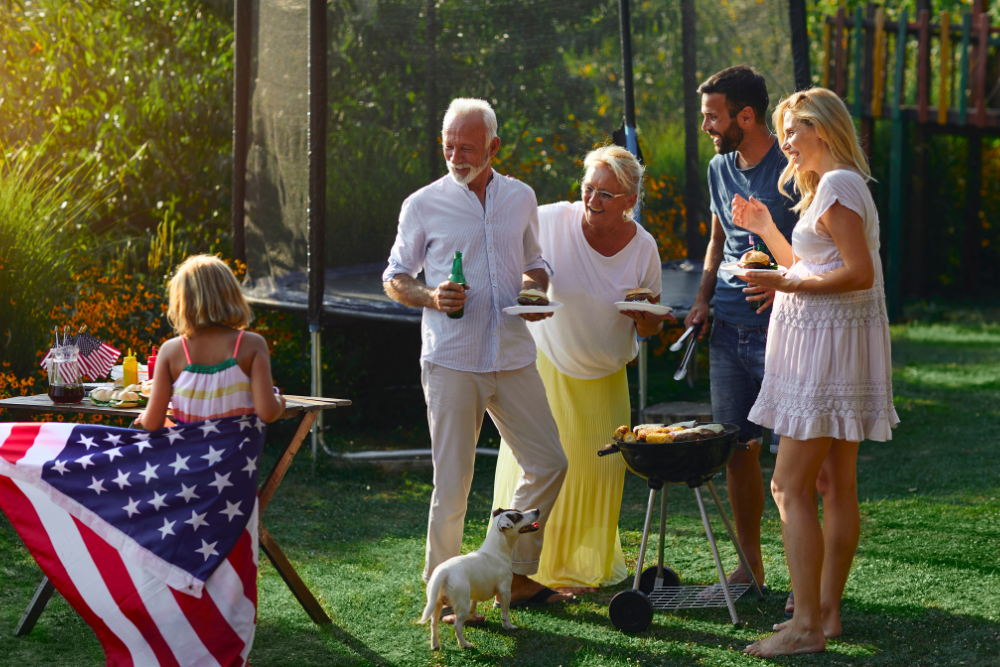
The 4th of July is one of America's most celebrated holidays—a time for fireworks, barbecues, family gatherings, and community celebrations. Yet this festive day carries real safety risks. Each year, thousands of people are injured by fireworks, burns, and holiday-related accidents. Many of these injuries are preventable with proper knowledge and precautions.
Whether you're attending a professional fireworks show, lighting fireworks at home, or hosting a backyard barbecue, understanding safety practices keeps you and your loved ones protected. This guide provides comprehensive 4th of July safety tips covering fireworks, fire prevention, first aid, and holiday celebration safety.
Fireworks Safety: The Complete Guide
Fireworks are central to 4th of July celebrations, but they're also the leading cause of holiday injuries. Understanding fireworks hazards and safety practices is essential.
Understanding Fireworks Hazards
Fireworks explode, burn, and launch projectiles at high speeds. Even "safe" consumer fireworks carry significant risks. Burns are the most common injury—fireworks reach temperatures exceeding 2,000 degrees Fahrenheit. Eye injuries occur when sparks or debris strike eyes. Hand and finger injuries happen when fireworks explode unexpectedly during lighting or holding.
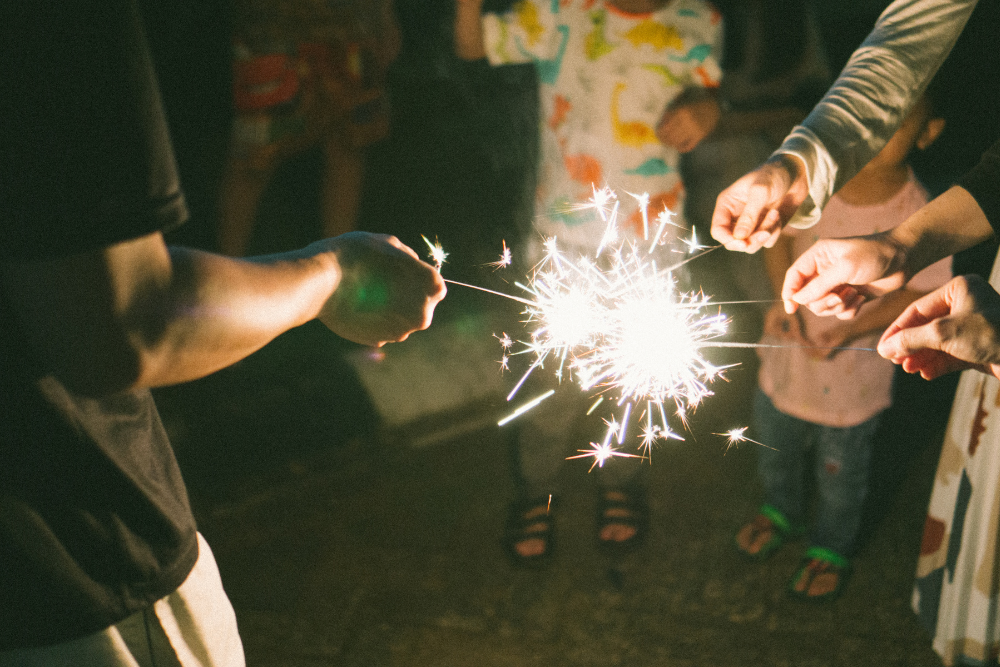
Professional-grade fireworks are far more dangerous than consumer fireworks. Without professional training and equipment, using them risks severe injury or death. Many serious fireworks injuries involve professional-grade fireworks used by untrained individuals.
Know the Laws
Fireworks regulations vary dramatically by location. Some states ban consumer fireworks entirely. Others permit limited types. Some require permits even for legal fireworks. Before purchasing or using fireworks, research your local laws. Violating fireworks laws can result in fines, injury, and liability.
Check your fire department's website or contact local authorities about:
- Which fireworks are legal in your area
- Permit requirements
- Designated times for fireworks use
- Designated areas or restrictions on where fireworks can be used
Safe Fireworks Handling
Purchase from Reputable Sources: Buy fireworks from licensed retailers only. Black market fireworks are often unsafe, mislabeled, or counterfeit. Licensed retailers stock products that meet safety standards and include proper instructions.
Read Instructions Carefully: Before using any firework, read the entire package insert. Understand what the firework does, how it functions, and how to use it safely. Many injuries occur because people skip instructions or use fireworks incorrectly.
Adult Supervision: Never allow children to handle fireworks unsupervised. Even "child-safe" fireworks should only be used under adult supervision. Children lack impulse control and judgment to handle potentially dangerous items safely.
Lighting Safety:
- Light fireworks one at a time
- Use a long lighter or long stick—never use your hand or fingers to light fuses
- Step back immediately after lighting
- Never hold fireworks in your hand while lighting or after lighting
- Never lean over fireworks to light them
- Never try to relight a firework that didn't fire properly
Never Point at People: Fireworks should never be pointed toward people, animals, buildings, or dry vegetation. Even seemingly harmless fireworks can cause eye injuries or burns.
Distance and Clearance: Maintain adequate distance from lit fireworks. Follow package recommendations for safe distance. Clear the area of flammable materials. Never use fireworks near dry grass, leaves, or structures.
Never Mix or Alter: Don't open fireworks to remove contents. Don't combine fireworks or remove fuses. Don't try to "improve" fireworks. Alterations dramatically increase danger.
What NOT to Do
Don't Use Fireworks Indoors: Even sparklers and small fireworks should never be used indoors. Indoor fireworks use risks uncontrolled fire and lack of escape routes.
Don't Use Alcohol and Fireworks: Alcohol impairs judgment and coordination—essential for safe fireworks handling. Designate someone sober to supervise fireworks.
Don't Ignore Duds: If a firework doesn't ignite, don't immediately inspect it or re-light it. Wait 15-20 minutes, then carefully place the dud in water. Duds can ignite unexpectedly.
Don't Use Illegal Fireworks: Homemade fireworks, M-80s, or other illegal explosives are unpredictable and extremely dangerous. Serious injuries and legal consequences result from using illegal fireworks.
Don't Light Fireworks Near Dry Conditions: Never use fireworks during drought conditions or near dry vegetation. Many large fires start from fireworks during dry periods.
Fire Prevention During 4th of July Celebrations
Beyond fireworks safety, preventing fires during holiday celebrations requires attention to multiple fire hazards.
Outdoor Cooking Safety
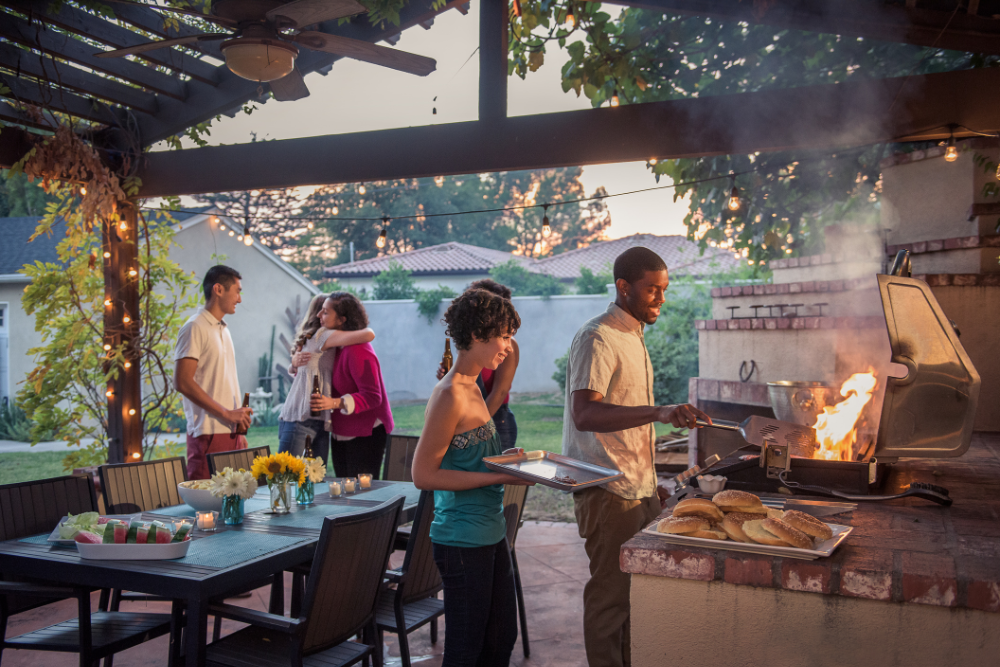
Grilling is central to 4th of July celebrations, but grill fires are common. Safe grilling requires:
Grill Placement: Place grills away from buildings, deck railings, and overhanging branches. Keep grills at least 10 feet from structures. Never grill indoors or in enclosed spaces—grills produce carbon monoxide.
Cleaning: Regularly clean grills to remove grease buildup, which is flammable. Clean grates before grilling and empty grease traps regularly.
Propane Safety: Check propane tanks for leaks before use. If you smell gas, don't use the grill. Have propane tanks inspected and replaced by qualified technicians.
Monitoring: Never leave a grill unattended while cooking. Keep a fire extinguisher nearby. If a fire starts, turn off the heat and close the lid to smother it. Use a fire extinguisher only if you can do so safely.
Cooling: Allow grills to cool completely before moving or covering them. Hot grills can ignite nearby materials.
Decorative Fire Hazards
Holiday decorations sometimes include real candles or fire elements. These create fire hazards if not managed safely:
Candles: Keep candles away from decorations, curtains, and flammable materials. Never leave burning candles unattended. Blow out candles before leaving the area.
Fire Pits: If using fire pits for ambiance, maintain safe distance from structures and vegetation. Keep water or a fire extinguisher nearby. Fully extinguish fires before leaving.
Electrical Decorations: Inspect holiday lights for damage before using. Don't overload electrical circuits. Keep lights away from water.
Smoke Detector Maintenance
Ensure smoke detectors are functioning properly. Test them before the holiday. Replace batteries if needed. Smoke detectors save lives by providing early warning of fire.
First Aid for Common 4th of July Injuries
Despite precautions, injuries happen. Knowing first aid response improves outcomes.
Fireworks Burns
Fireworks cause thermal burns from heat and contact burns from hot materials.
Minor Burns (First and Second Degree):
- Cool the burn with cool running water for 10-15 minutes
- Remove jewelry or tight clothing before swelling worsens
- Apply antibiotic ointment and cover with sterile gauze
- Take over-the-counter pain reliever
- Watch for infection signs (increasing pain, redness, pus)
- Seek medical care if burns don't improve or show infection signs
Severe Burns (Third Degree or Large Area):
- Call 911 immediately
- Don't remove stuck clothing
- Don't apply ice directly (can worsen damage)
- Cover burn with clean cloth
- Elevate burned area if possible
- Monitor breathing and consciousness
- Stay with person until help arrives
Eye Injuries
Fireworks debris or sparks can cause eye injuries—potentially serious.
If Something Is in the Eye:
- Don't rub the eye
- Try gentle flushing with water or saline solution
- If object remains, cover the eye loosely and seek immediate medical care
- Never try to remove embedded objects
Chemical Burns to Eyes:
- Flush immediately with water for 15-20 minutes
- Seek immediate emergency care
- Don't put anything other than water or saline in the eye
Seek immediate emergency care for:
- Loss of vision or vision changes
- Severe pain
- Visible damage to the eye
- Chemical exposure
- Anything embedded in the eye
Hand and Finger Injuries
Fireworks commonly cause hand injuries ranging from minor burns to serious trauma.
Minor Hand Burns:Follow minor burn first aid—cool with water, apply ointment, cover with gauze, monitor for infection.
Serious Hand Injuries:
- If bleeding heavily, apply direct pressure with clean cloth
- Keep hand elevated
- Apply ice wrapped in cloth (don't apply ice directly)
- Seek immediate medical care
- If a finger is partially or completely severed, wrap it in clean cloth and place in ice water, then bring it to emergency care
Heat-Related Illness
Summer heat combined with outdoor activity can cause heat exhaustion or heat stroke.
Heat Exhaustion Signs:
- Heavy sweating
- Weakness or dizziness
- Headache
- Nausea
- Muscle cramps
- Cool, pale, clammy skin
Heat Exhaustion Response:
- Move to cool location
- Drink water or sports drinks
- Apply cool compress or ice packs
- Rest until symptoms improve
- Seek medical care if symptoms don't improve or worsen
Heat Stroke Signs (Medical Emergency):
- High body temperature (103°F or higher)
- Hot, red, dry skin (may not be sweating)
- Confusion or altered mental state
- Loss of consciousness
- Seizures
Heat Stroke Response:
- Call 911 immediately
- Move to cool location
- Apply cool water or ice packs to armpits, neck, groin, and behind knees (areas where blood vessels are close to surface)
- Don't give fluids if person is unconscious
- Monitor breathing and consciousness
Safe 4th of July Celebration Practices
Beyond fireworks and fire, general celebration safety practices keep holidays safer.
Public Event Safety
Attending organized 4th of July events is generally safer than home fireworks but requires awareness:
Crowds and Movement:
- Arrive early to secure good viewing location
- Be aware of exits and evacuation routes
- Keep children close and consider using child identification wristbands
- Avoid alcohol if you're responsible for children or navigation
- Watch for signs of illness or distress in others
Sun and Heat Protection:
- Apply sunscreen before and during event
- Bring water—dehydration accelerates in heat and during activity
- Wear light-colored, loose-fitting clothing
- Take breaks in shade
- Provide extra water for children and elderly attendees
Parking and Transportation:
- Know how you'll get home before event ends
- Avoid driving under the influence
- Use designated parking areas
- Be aware of traffic patterns before leaving
Backyard Celebration Safety
Hosting or attending backyard celebrations requires attention to multiple safety factors:
Guest Management:
- Communicate alcohol policy in advance
- Designate non-drinking drivers
- Provide food and water throughout event
- Have first aid supplies accessible
- Keep children supervised, especially near pools or water
Yard Hazards:
- Remove yard debris that could be tripping hazards
- Mark steps or level changes, especially as darkness falls
- Keep pathways clear and well-lit
- Secure loose items that wind could move
Pet Safety:
- Fireworks frighten pets—keep pets indoors or in secured areas
- Ensure pets have identification in case they escape
- Don't force pets to be around fireworks or crowds
- Provide quiet, safe space for anxious pets
Pool and Water Safety
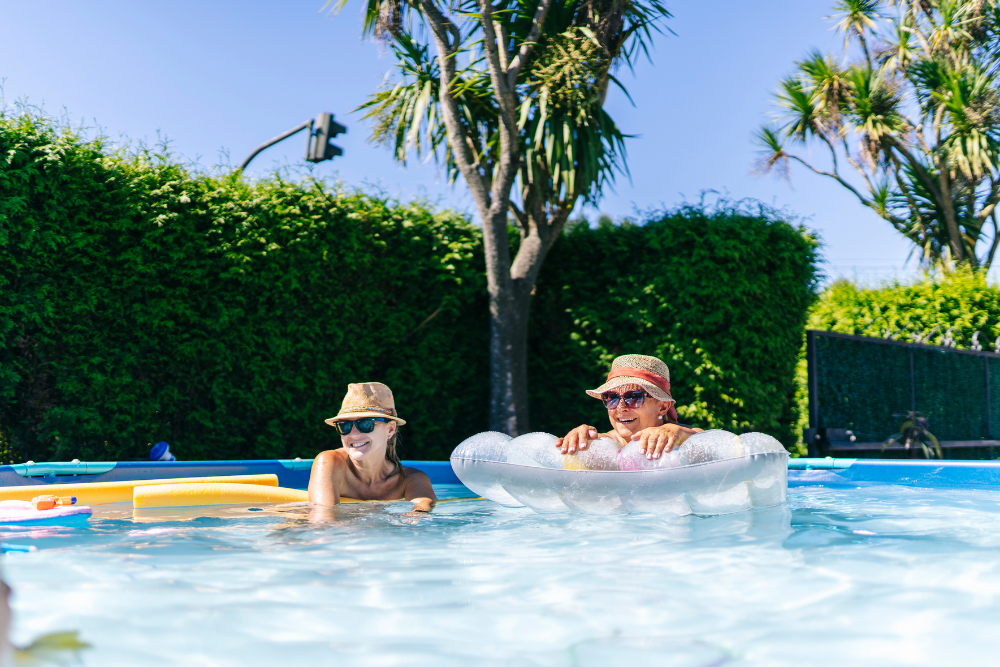
If celebrations include water activities:
Supervision:
- Designate adult as water watcher whose only job is monitoring water
- Never assume another adult is watching
- Maintain constant visual supervision—drowning happens silently and quickly
Alcohol and Water:
- Never swim after drinking alcohol
- Alcohol impairs judgment and coordination essential for water safety
Life Jackets:
- Provide life jackets for weak swimmers and children
- Use Coast Guard-approved life jackets
- Ensure proper fit
Frequently Asked Questions About 4th of July and Fireworks Safety
What Should I Do if a Firework Doesn't Light After I Light the Fuse?
This is a common and dangerous situation. Many people's instinct is to immediately check the firework or re-light it, but this is exactly what causes serious injuries. When a firework fails to ignite (called a "dud"), it could be a delayed fuse, moisture preventing ignition, or other issue. If you approach it immediately, it could suddenly ignite while you're near it, causing hand injuries, eye injuries, or severe burns.
Safe Dud Protocol:
Never approach a dud immediately. Wait at least 15-20 minutes before handling. Give the firework plenty of time to discharge or cool. After waiting, carefully pick up the dud using a stick or tongs—never with bare hands. Place it in a bucket of water and dispose of it properly. Never try to open the firework or re-light it.
If you're at a crowded event and a firework misfires, alert staff immediately. Professionals have proper protocols for handling duds safely. The key principle: give time before approaching. Your impulse to check on something that didn't work is natural but dangerous. Resist it and wait.
Are Consumer Fireworks Safe if Used According to Package Instructions?
Consumer fireworks are safer than professional-grade fireworks, but "safe" is relative—they still carry significant injury risk. Millions of people use consumer fireworks annually without incident, but thousands are injured each year despite following package instructions.
Consumer fireworks are legal and tested for safety, meeting federal standards before sale. This makes them safer than illegal or counterfeit fireworks. However, even legal consumer fireworks can cause burns, eye injuries, and hand injuries. Package instructions help reduce but don't eliminate risk.
Risk factors beyond instructions include individual factors: alcohol impairment, lack of attention, unexpected behavior from nearby people, or unforeseeable circumstances. Even careful, sober people following instructions perfectly can experience injuries from fireworks.
The honest assessment: consumer fireworks are relatively safe when used correctly under ideal conditions by careful individuals. But "relatively safe" still means thousands of injuries annually. If you're uncomfortable with fireworks risk or have medical conditions increasing injury severity (like compromised healing ability or vision problems), the safest choice is to enjoy professional fireworks displays instead and skip home fireworks.
For those who choose to use consumer fireworks, following instructions carefully, avoiding alcohol, maintaining adequate distance, and never holding fireworks while lit or lit dramatically reduces injury risk.
Can I Use Fireworks in Locations Without Specific Fireworks Prohibitions?
Not necessarily. Local fireworks regulations are complex. Some states ban consumer fireworks entirely. Some counties within permissive states have bans. Some cities prohibit fireworks even where counties permit them. Some permit fireworks during specific time windows only.
Additionally, even where fireworks are legal, they may be prohibited in your specific location due to: fire danger (during drought or high fire-risk periods), proximity to dry vegetation, local ordinance, rental property restrictions (landlords may prohibit tenant fireworks), or homeowner association rules.
Never assume fireworks are legal just because you see others using them. They may be violating local law. Research the specific regulations for:
- Your state
- Your county
- Your city
- Your neighborhood (HOA or rental restrictions)
- Current fire danger conditions
Contact your local fire department or city/county website for specific regulations. Many fire departments provide this information readily. Respecting local regulations protects you legally and prevents contributing to fire danger.
What's the Difference Between Burns and When Emergency Care Is Needed?
Burns range from minor to severe. Understanding the difference helps determine whether to seek emergency care or treat at home.
Minor Burns (First-Degree): Skin is red but not blistered. There's pain but no charring. Minor burns affect only the outer layer of skin. Treat at home with cool water, pain reliever, and antibiotic ointment. Watch for signs of infection—increasing pain, spreading redness, or pus. Seek care if infection develops or pain doesn't improve.
Moderate Burns (Second-Degree): Skin is red and blistered. Blisters indicate deeper burn affecting multiple skin layers. Pain is significant. If the burn is small (less than 2-3 inches), treat at home with cool water, pain reliever, antibiotic ointment, and loose bandage. Watch for infection. If the burn is larger than 2-3 inches, spans a joint, or involves hands/face, seek medical care.
Severe Burns (Third-Degree or Large Area): Skin is charred, white, or leather-like. The burn is deep and extensive. Call 911. Don't apply ice or try home treatment. Cover with clean cloth. Monitor breathing and consciousness. These burns always require emergency care and often require specialized burn center treatment.
Seek emergency care immediately for:
- Any burn larger than 2-3 inches
- Burns on face, hands, genitals, or joints
- Deep burns with charring or white/leather appearance
- Burns covering more than 10% of body
- Burns in children or elderly (more severe healing complications)
- Any burn where you're uncertain about severity
When in doubt, call 911 or go to emergency room. It's always better to have professionals evaluate a burn than to risk underestimating severity.
What Should I Have in My First Aid Kit for 4th of July Celebrations?
Having appropriate first aid supplies readily available enables quick response to injuries. A 4th of July first aid kit should include:
Burn Treatment:
- Antibiotic ointment (for minor burns)
- Sterile gauze pads (various sizes)
- Sterile bandages (various sizes)
- Elastic bandages (for wrapping burns)
- Burn gel or cool packs
Wound Care:
- Sterile saline solution (for cleaning wounds or eye flush)
- Tweezers (for removing debris)
- Antibiotic ointment
- Sterile gauze and bandages
- Medical tape
- Elastic bandages (for sprains)
Pain and Inflammation:
- Pain reliever (acetaminophen or ibuprofen)
- Antihistamine (for allergic reactions)
- Anti-inflammatory medication
Eye Care:
- Sterile eyewash or saline solution (for flushing eyes)
- Eye pads
General Supplies:
- Thermometer
- Scissors
- Gloves (non-latex if possible for allergy considerations)
- CPR face shield or barrier device
- Emergency phone numbers
- First aid instruction guide
Heat-Related Items:
- Electrolyte drink packets
- Ice packs (or ability to make ice)
- Cold compress
Additional Considerations:
- Include any personal medications (auto-injectors for allergies, inhalers, etc.)
- Include information about allergies or medical conditions of attendees
- Keep supplies in clearly labeled, waterproof container
- Store in accessible location where adults know to find it
- Check supplies before event—replace expired items
- Consider keeping supplies both at home and in a vehicle if attending events elsewhere
Having supplies present and knowing their location enables quick first aid response, which significantly improves outcomes for injuries.
SafetyIQ brings incidents, inspections, training, journey management, lone worker safety and fatigue into one mobile app. Tell us about your crews and sites for tailored pricing.
Safety insights, straight to your inbox
New guides, monthly safety topics and SafetyIQ updates for EHS and operations leaders. Unsubscribe anytime.


Get a demo built around your sites, your teams, and the way your people work.
EHS, journey, and fatigue management software for field-heavy teams.

.png)

.png)