
How to Prevent Cost Overruns on Construction Projects
Cost overruns can derail construction projects. Learn the causes and proven strategies to keep your costs and budget on track.
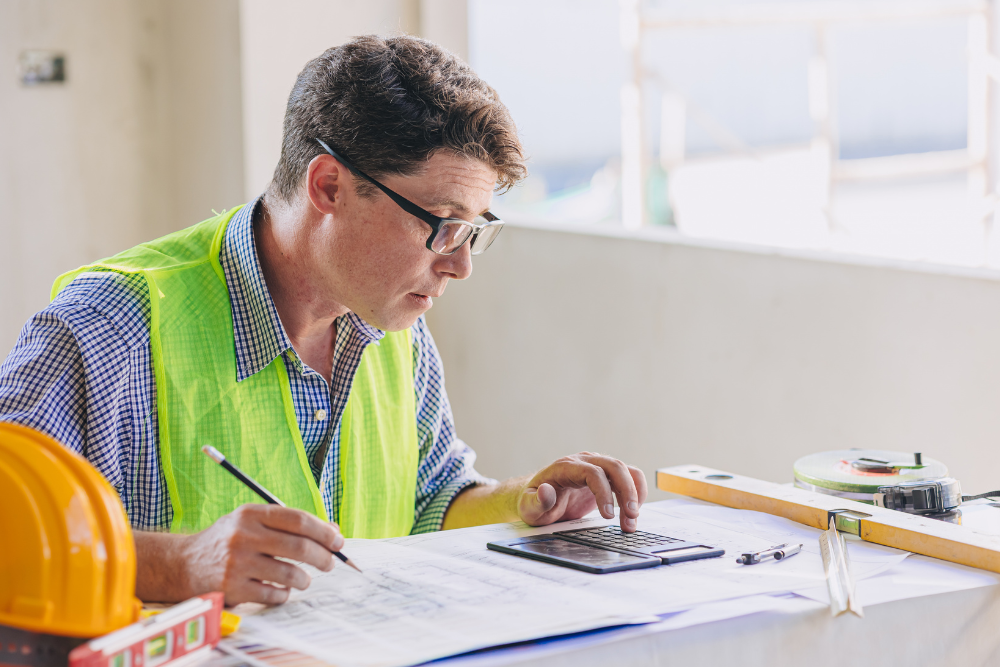
Cost overruns are one of the most persistent problems in the construction industry. Study after study has found that a significant share of construction projects finish over budget, sometimes by a small margin, sometimes by a figure that threatens the profitability of the entire job. For contractors and project owners alike, the difference between a profitable project and a losing one often comes down to how well cost overruns are anticipated, tracked, and controlled from the very first estimate through final closeout.
The good news is that cost overruns are rarely the result of a single catastrophic failure. In most cases, they're the accumulation of small, preventable issues — a change order that wasn't priced correctly, a material cost that shifted between bid and purchase, a schedule delay that quietly added weeks of overhead. Understanding where these issues originate, and building processes to catch them early, is the foundation of effective cost control.
This guide walks through the most common causes of cost overruns on construction projects and the practical strategies contractors and project managers use to prevent them.
What Causes Cost Overruns on Construction Projects
Before you can prevent cost overruns, it helps to understand where they typically originate. While every project is different, most overruns can be traced back to a handful of recurring root causes.
Inaccurate Initial Estimates
The foundation of any construction budget is the initial estimate, and if that estimate is flawed, everything built on top of it inherits the error. Inaccurate estimates often stem from incomplete takeoffs, outdated pricing data, or overly optimistic assumptions about labor productivity. A contractor who bases a bid on last year's material prices, or who underestimates the complexity of a site condition, is setting the project up for a budget shortfall before construction even begins.
Scope Creep and Poorly Managed Change Orders
Scope creep happens when small additions or modifications to a project accumulate without formal documentation or pricing. A client asks for a minor adjustment here, a design team makes a small revision there, and before long the project has expanded well beyond its original scope without a corresponding increase in budget. Even when change orders are properly documented, delays in pricing and approving them can create cash flow problems and obscure the true financial state of a project until it's too late to course-correct.
Poor Communication Between Field and Office
A significant portion of cost overruns can be traced to a simple breakdown in communication. When field teams don't have an efficient way to report issues, delays, or material needs back to the office in real time, problems tend to compound. A subcontractor might work several days on a task that's actually outside the approved scope, or a material shortage might not get flagged until it's already causing schedule delays, both of which translate directly into unplanned costs.
Fluctuating Material and Labor Costs
Construction materials are subject to price volatility that can be difficult to predict months or years in advance, particularly for projects with long procurement timelines. Labor costs can shift as well, especially in markets experiencing skilled labor shortages, where contractors may need to pay premium rates to keep a project staffed and on schedule. Projects that don't build in contingency for these fluctuations are especially vulnerable to budget overruns when market conditions shift.
Schedule Delays
Time and money are directly linked on a construction project. Every day a project runs behind schedule adds to overhead costs, including equipment rentals, site supervision, and, in some cases, penalties written into the contract. Schedule delays caused by weather, permitting issues, or subcontractor availability can quietly erode a project's profitability even when the original scope of work hasn't changed at all.
Inadequate Contingency Planning
Even the most carefully planned project will encounter some degree of the unexpected. Contingency budgets exist to absorb these surprises without derailing the overall project financials, but many estimates either omit contingency altogether or set the reserve too low to be meaningful. Without an adequate contingency line, even a modest unforeseen issue can force a contractor to eat costs that should have been planned for from the start.
Strategies to Prevent Cost Overruns
Understanding the causes of cost overruns is only half the equation. The other half is building processes and habits into your project management approach that catch these issues before they become expensive problems.
Start With Detailed, Realistic Estimates
The single most effective way to prevent cost overruns is to get the initial estimate right. This means investing time in accurate takeoffs, using current material and labor pricing rather than outdated historical data, and being honest about site conditions and project complexity rather than defaulting to optimistic assumptions. Estimators should also factor in realistic labor productivity rates based on actual crew performance data, not idealized best-case scenarios. A slightly more conservative, well-researched estimate will almost always outperform an aggressive bid that turns into a budget crisis six months into construction.
Track Costs in Real Time, Not Retroactively
One of the biggest reasons cost overruns go unnoticed until it's too late is that financial tracking often happens after the fact, sometimes weeks after costs have already been incurred. Contractors who track budgets, committed costs, and actual expenditures in real time are far better positioned to catch a developing overrun while there's still time to adjust course, whether that means renegotiating a subcontractor scope, adjusting the schedule, or flagging a change order to the client before more work proceeds. Waiting until a monthly financial review to discover a budget problem often means the damage has already been done.
Formalize the Change Order Process
Scope creep thrives in the absence of process. Every change to the original scope of work, no matter how small it seems, should go through a formal documentation and pricing process before work proceeds. This protects both the contractor and the client by ensuring there's a clear, agreed-upon record of what was changed, why, and at what cost. Contractors who allow verbal change requests to slip through without formal documentation frequently find themselves absorbing costs they never officially agreed to.
Improve Field-to-Office Communication
Closing the communication gap between field crews and the office is one of the highest-leverage changes a construction company can make. When superintendents and field teams have an efficient way to report daily progress, flag issues, and document delays as they happen, project managers gain the visibility they need to intervene before small problems become expensive ones. This is particularly important for catching issues like material shortages, unexpected site conditions, or subcontractor scheduling conflicts early enough to manage their financial impact.
Build Meaningful Contingency Into the Budget
Contingency planning shouldn't be treated as an afterthought or a rounding error in the budget. A well-researched contingency percentage, based on the specific risks of the project type, site conditions, and market volatility, gives a project the flexibility to absorb the unexpected without immediately becoming a loss. Contractors should also track contingency usage throughout the project, rather than only checking it at the end, so they have an early warning if the reserve is being consumed faster than expected.
Monitor Material and Labor Markets Proactively
For projects with longer timelines, staying informed about material and labor market trends allows contractors to make proactive decisions, such as locking in pricing early, adjusting procurement timing, or building escalation clauses into subcontracts. Waiting until a price increase directly impacts the project is a reactive approach; monitoring trends and planning around them is a proactive one, and the difference often shows up directly in the bottom line.
Conduct Regular Budget Reviews
Rather than waiting for a major milestone or the end of the project to review financial performance, successful contractors build regular, frequent budget reviews into their project management routine. Weekly or biweekly reviews that compare actual costs against the budget, by cost code or phase, make it much easier to spot a developing trend before it becomes an unmanageable overrun. These reviews are also an opportunity to reassess contingency usage and adjust forecasts based on the most current project data.
Hold Subcontractors Accountable to Their Scopes
Subcontractor performance is a major factor in overall project cost control. Clear, detailed subcontracts that specify scope, schedule expectations, and change order procedures reduce ambiguity that can lead to disputes and cost overruns down the line. Regularly reviewing subcontractor progress against their committed scope and schedule also helps catch performance issues early, before they cascade into delays that affect the broader project budget.
How to Measure and Monitor Cost Performance
Preventing cost overruns isn't a one-time effort that happens during the estimating phase; it requires ongoing measurement throughout the life of the project. Establishing the right metrics and reviewing them consistently gives project teams an early warning system for developing problems.
Track Cost Variance by Phase and Cost Code
Rather than monitoring only the overall project budget, effective cost control breaks spending down by phase and cost code. This granular approach makes it much easier to identify exactly where a variance is developing, whether it's concentrated in a specific trade, a particular phase of work, or a recurring issue with a specific vendor. A project that appears roughly on budget at the aggregate level can still be masking a significant overrun in one area that's being offset by savings elsewhere, which is a dangerous pattern if the underlying cause of the overrun isn't addressed.
Compare Committed Costs Against Actual Costs
Committed costs, meaning the costs a project is contractually obligated to pay based on signed subcontracts and purchase orders, often tell a more accurate story than actual costs paid to date, particularly early in a project. Reviewing committed costs alongside actual spending gives project managers a forward-looking view of where the budget is heading, rather than only a backward-looking snapshot of what's already been spent. This distinction becomes especially important on longer projects, where actual costs paid to date might look healthy while committed costs are already signaling a developing overrun.
Establish Clear Escalation Thresholds
Not every variance requires the same level of response. Establishing clear thresholds for when a cost variance should be escalated to senior management, whether that's a specific dollar amount or a percentage deviation from budget, helps ensure that developing problems get attention before they grow into significant overruns. Without defined thresholds, minor variances can be dismissed individually as insignificant, even as they accumulate into a much larger problem over the course of the project.
Common Mistakes That Make Cost Overruns Worse
Even contractors who understand the fundamentals of cost control sometimes fall into habits that make overruns more likely or more severe once they start. Being aware of these common pitfalls can help teams avoid compounding a manageable variance into a serious financial problem.
Waiting Too Long to Communicate Problems
When a cost issue starts to develop, there's often a temptation to wait and see if the situation resolves itself before raising it with the client or company leadership. This delay usually only makes the problem worse, since it reduces the amount of time and the number of options available to address the issue. Contractors who communicate developing budget concerns early, even before they've fully materialized, are typically in a much stronger position to negotiate solutions than those who wait until the overrun is already locked in.
Treating Contingency as Automatic Profit Protection
Some project teams treat the contingency reserve as a buffer that will automatically absorb whatever overruns occur, without actively managing or monitoring how quickly it's being consumed. This passive approach often results in contingency being exhausted well before the project reaches completion, leaving no cushion for issues that arise later in the schedule when problems are typically more expensive and time-sensitive to resolve.
Failing to Learn From Past Projects
Cost overruns often follow patterns that repeat across a contractor's project history, whether that's consistently underestimating a specific type of work, underpricing a particular subcontractor trade, or repeatedly running into the same permitting delays in a certain jurisdiction. Contractors who don't systematically review completed projects to identify these patterns miss valuable opportunities to improve future estimates and avoid repeating the same costly mistakes.
The Role of Technology in Cost Overrun Prevention
Many of the strategies above depend on having accurate, real-time information available when decisions need to be made, which is increasingly difficult to achieve with manual, paper-based, or spreadsheet-driven processes. Construction management software that connects budgets, change orders, daily field reports, and vendor costs into a single system gives project teams the visibility they need to catch overruns early rather than discovering them after the fact. When financial data updates in real time as work happens in the field, project managers can make informed decisions quickly instead of waiting for a monthly report to reveal a problem that's already weeks in the making.
Frequently Asked Questions About Cost Overruns
What is a cost overrun in construction?
A cost overrun occurs when the actual cost of completing a construction project exceeds the originally budgeted or estimated amount. Cost overruns can range from minor variances that fall within an acceptable contingency reserve to significant overages that threaten the overall profitability of a project or, in severe cases, the financial stability of the contractor. Overruns can affect the entire project or be isolated to specific phases, trades, or cost codes, and they can stem from a wide variety of causes, including inaccurate initial estimates, scope creep, schedule delays, and fluctuating material or labor costs. Tracking cost overruns is typically done by comparing the original budget against actual and committed costs throughout the life of the project, which allows project managers to identify variances as they develop rather than only discovering them at project closeout.
What percentage of construction projects experience cost overruns?
While the exact figure varies depending on the study, project type, and region, industry research has consistently found that a substantial share of construction projects, often cited as somewhere between one-third and the majority of all projects, finish over their original budget. Larger, more complex projects tend to experience higher rates and larger magnitudes of overruns, partly due to the increased number of variables, longer timelines, and greater potential for scope changes involved. Public infrastructure and megaprojects are particularly prone to significant cost overruns, sometimes exceeding their original budgets by a wide margin, due to the complexity of stakeholder coordination, regulatory requirements, and extended project timelines. Regardless of the specific statistic cited, the consistent takeaway across research is that cost overruns are common enough that proactive prevention strategies should be considered standard practice rather than an optional precaution.
How much contingency should be included in a construction budget?
The appropriate contingency percentage depends on several factors, including the project type, complexity, site conditions, and the overall level of uncertainty involved. As a general guideline, many contractors use contingency ranges between 5 and 10 percent of the total project cost for relatively standard, well-defined projects, while more complex or higher-risk projects, such as renovations with unknown existing conditions or projects with aggressive timelines, may warrant a higher contingency reserve. It's also worth distinguishing between design contingency, which accounts for changes as plans are finalized, and construction contingency, which covers unforeseen issues that arise once work is underway. Rather than treating contingency as a single static number set at the start of the project, effective cost management involves monitoring contingency usage throughout construction and adjusting forecasts if the reserve is being depleted faster than the project timeline would suggest is sustainable.
How do change orders contribute to cost overruns?
Change orders contribute to cost overruns in two primary ways: through their direct cost impact and through the indirect costs associated with poor change order management. Directly, every change order represents an addition or modification to the original scope of work, and if the pricing for that change isn't accurately calculated or is underestimated, the project absorbs the difference. Indirectly, and often more damaging, is the cost impact of change orders that aren't formally documented and priced before work proceeds. When field teams or subcontractors perform work based on verbal instructions without a corresponding change order, contractors frequently find themselves either absorbing the cost themselves or entering into difficult negotiations with the client after the fact, when their leverage to recover those costs is much weaker. Delays in the change order approval process can also create their own cost impact, since work may be paused waiting for approval, adding schedule delays and associated overhead costs on top of the direct cost of the change itself.
Can construction management software actually prevent cost overruns?
Construction management software doesn't eliminate the underlying risks that cause cost overruns, such as market volatility or unforeseen site conditions, but it significantly improves a project team's ability to detect and respond to developing overruns before they become severe. By connecting budgets, change orders, vendor invoices, and field reporting into a single, real-time system, project managers gain visibility into cost variances as they emerge rather than discovering them during a periodic financial review, sometimes weeks after the underlying issue occurred. This earlier visibility allows for faster corrective action, whether that means renegotiating a subcontractor scope, adjusting the project schedule, or proactively communicating a budget concern to the client before it becomes a larger dispute. In this sense, the software functions less as a direct cause of cost savings and more as an early warning system that gives experienced project managers the information they need to make timely decisions, which is often the difference between a manageable variance and a significant overrun.
SafetyIQ brings incidents, inspections, training, journey management, lone worker safety and fatigue into one mobile app. Tell us about your crews and sites for tailored pricing.
Safety insights, straight to your inbox
New guides, monthly safety topics and SafetyIQ updates for EHS and operations leaders. Unsubscribe anytime.


Get a demo built around your sites, your teams, and the way your people work.
EHS, journey, and fatigue management software for field-heavy teams.

.png)

.png)