
7 Winter Safety Tips Every Workplace Needs This Season
Prepare your team for winter hazards with these 7 essential workplace safety tips.
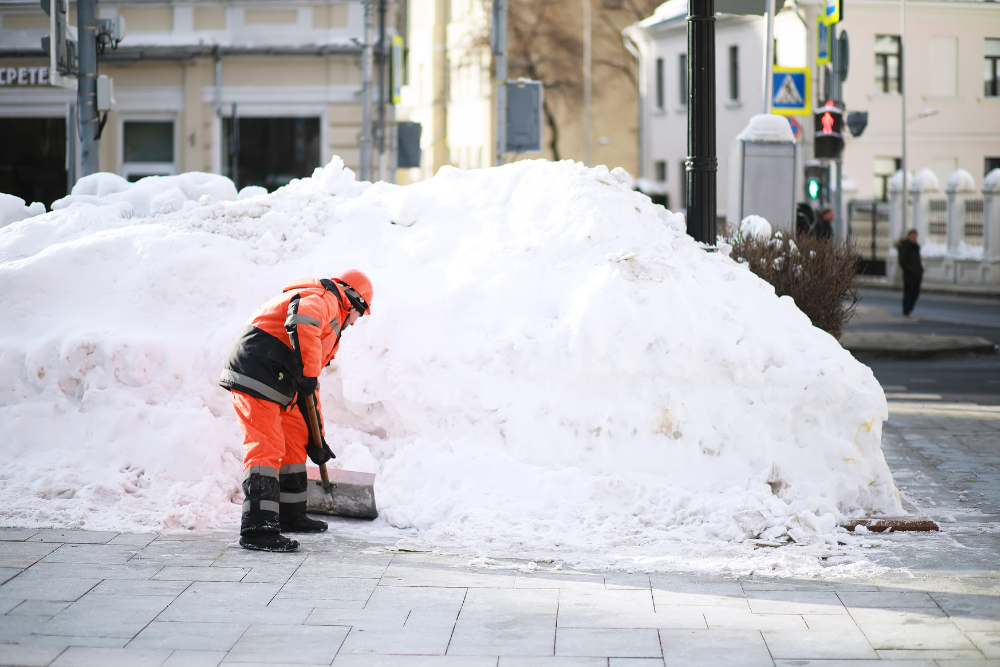
Winter weather introduces a unique set of challenges that can disrupt operations, impact productivity, and put employees at higher risk of injuries. Shorter days, freezing temperatures, and icy conditions require organizations to take a more proactive approach to safety. Whether your team works outdoors, travels between sites, or operates within a warehouse or plant, winter hazards can escalate quickly without proper prevention strategies. Below is a comprehensive guide to help safety leaders protect their workforce and maintain smooth, incident-free operations throughout the season.
1. Identify and Mitigate Slip, Trip & Fall Hazards
Slips, trips, and falls are among the most common winter-related workplace incidents. Snow, ice, and wet entryways can turn normal walking surfaces into high-risk zones. Employers should develop a structured response plan that includes regular monitoring of outdoor surfaces, scheduled clearing of snow and ice, and protocols for applying salt or sand during temperature fluctuations. By treating walkways as “high-risk equipment zones,” you signal their importance and ensure consistent maintenance throughout the day.
Ice and Snow Management
Outdoor pathways, parking lots, loading docks, and ramps should be inspected multiple times daily. Ice can refreeze quickly after melting, so relying on morning cleanup alone is not enough. Assigning dedicated personnel or rotating shifts for monitoring ensures that any buildup is caught early. Using the right combination of de-icer, sand, and proper drainage helps reduce long-term risk and creates safer walking environments.
Indoor Wet Zones
As employees enter the building, snow and moisture travel with them. Over time, this can create puddles or slick surfaces that lead to preventable injuries. Installing commercial-grade absorbent mats at entrances, hallways, and changing areas can significantly reduce moisture. These mats should be replaced or dried throughout the day, not just at opening. Adding clear signage and floor cones when mopping is necessary ensures employees are aware of temporary hazards.
2. Prepare Employees for Cold Stress
Working in low temperatures increases the risk of cold stress, which includes conditions such as hypothermia, frostbite, and trench foot. These illnesses develop more quickly than many realize, especially in windy or wet environments. Providing training on early symptoms—such as shivering, numbness, slurred speech, and confusion—helps employees recognize problems before they escalate. Prevention starts with awareness, and winter training should be mandatory for all exposed workers.
Equipment & Clothing Standards
Proper insulation is essential for protecting employees from the cold. Layered clothing that includes moisture-wicking base layers, insulated mid-layers, and windproof outerwear performs best in fluctuating temperatures. PPE like thermal gloves, waterproof boots, hats, and face protection should be readily available. Employers can set minimum clothing standards depending on the task, ensuring no employee is under-prepared for the demands of winter work.
Warm-Up Break Protocol
Even the best clothing cannot prevent cold stress if exposure is continuous. Establish sheltered warming stations with heaters, warm beverages, and seating. Encourage supervisors to monitor how long workers are exposed and require scheduled warm-up breaks—especially during extreme cold advisories. These breaks help regulate body temperature, reduce fatigue, and improve alertness during critical tasks.
3. Winterize Company Vehicles and Driving Policies
Driving risks increase dramatically in winter, particularly for employees who travel between sites or transport equipment. Employers should reinforce defensive driving practices and implement seasonal vehicle inspections. A winterized fleet lowers the chance of mechanical failure and helps protect drivers from unpredictable weather conditions.
Vehicle Checks
Before each shift, drivers should complete a winter-specific inspection that includes testing brakes, checking tire tread depth, verifying wiper function, and ensuring defrosters and heaters operate correctly. Fluids such as antifreeze, washer fluid, and oil should be topped off. Batteries also drain faster in cold weather, making regular testing essential. This will make employee journey management safer.
Emergency Kits
Every vehicle should carry an emergency winter kit with essentials such as blankets, gloves, bottled water, road flares, a flashlight, jumper cables, an ice scraper, and a first-aid kit. If employees travel in rural or remote regions, consider GPS tracking or lone-worker monitoring to improve response in emergencies.
4. Strengthen Hazard Reporting and Communication
Communication becomes even more critical during winter because hazards emerge quickly and can change hour by hour. Establishing a streamlined incident report process empowers employees to speak up when they see unsafe conditions. Whether through mobile apps, QR codes, or simple forms, giving staff multiple reporting options increases participation and helps supervisors respond quickly.
Daily winter safety briefings also play a major role. A short meeting at the start of each shift—covering weather forecasts, known hazards, and any overnight changes—helps align teams on what to expect. When leadership responds quickly to these reports with corrective actions, it reinforces trust and strengthens the overall safety culture.
5. Maintain Equipment for Winter Conditions
Cold temperatures can impact the performance and reliability of tools, machinery, and vehicles. Lubricants thicken, batteries weaken, and metal components become more brittle. Employers should perform additional inspections during winter months and create checklists that address temperature-specific risks.
Clearing snow from work areas is also essential. Snow can hide uneven surfaces, electrical cords, or dropped tools that pose tripping hazards. In facilities that use fuel-burning heaters or generators, employers must also monitor ventilation systems closely to avoid carbon monoxide exposure.
6. Support Employee Health and Fatigue Management
Winter brings shorter days and reduced sunlight, which can affect sleep cycles and energy levels. Fatigue increases the likelihood of mistakes, slower reaction times, and decreased situational awareness. Supervisors should watch for signs such as forgetfulness, yawning, or reduced productivity and offer extra breaks or shift adjustments when needed.
Hydration remains important even in cold weather. Employees may feel less thirsty, but their bodies still lose fluids through respiration and physical activity. Providing warm beverages and easy access to water reduces dehydration risk. Employers should also acknowledge the mental health challenges winter can bring, such as seasonal fatigue or reduced morale, and ensure employees know how to access available support resources.
7. Reinforce Safety Culture Through Training and Engagement
Winter provides an ideal opportunity to refresh safety training and strengthen organizational culture. Conduct seasonal training that covers equipment operation, emergency response, hazard identification, and cold stress prevention. These refresher courses keep safety knowledge top-of-mind and help correct behaviors that may have slipped over time.
Recognizing employees who demonstrate safe behaviors—such as reporting hazards, wearing proper PPE, or helping coworkers—creates positive momentum. Consistent reinforcement through toolbox talks, signage, and shift briefings helps ensure safety remains predictable, proactive, and part of everyday work throughout the winter season.
SafetyIQ brings incidents, inspections, training, journey management, lone worker safety and fatigue into one mobile app. Tell us about your crews and sites for tailored pricing.
Safety insights, straight to your inbox
New guides, monthly safety topics and SafetyIQ updates for EHS and operations leaders. Unsubscribe anytime.



Get a demo built around your sites, your teams, and the way your people work.
EHS, journey, and fatigue management software for field-heavy teams.

.png)

.png)