
Scaffolding Safety Checklist: Best Practices to Prevent Falls
Use this scaffolding safety checklist to prevent falls, avoid scaffold collapse, and improve jobsite compliance with daily inspections, guardrails, access rules, and load limits.
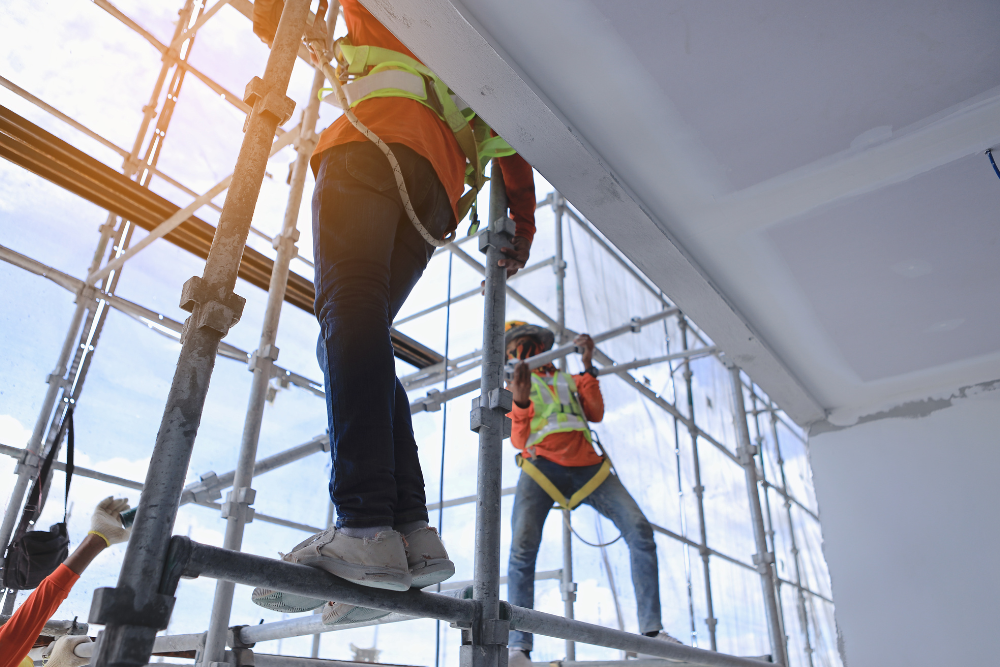
Scaffolding is one of the most common access solutions used in construction, industrial maintenance, painting, roofing, and facility work. It’s also one of the most dangerous when it’s rushed, improperly built, overloaded, or used without the right fall protection and inspection process. Scaffolding incidents can cause serious injuries, fatalities, and major project delays—often from preventable issues like missing guardrails, unstable footing, poor planking, or lack of training.
Scaffolding safety is not just about “building it right.” It’s about managing risk at every stage: planning, erection, inspection, use, modification, dismantling, and daily oversight. The best scaffolding programs treat the scaffold like a critical piece of equipment—one that must be designed, verified, maintained, and used correctly every single day.
In this guide, we’ll break down the most important scaffolding safety practices, common hazards, inspection standards, and what supervisors and crews can do to reduce incidents and keep operations moving.
What Is Scaffolding Safety?
Scaffolding safety refers to the procedures, equipment standards, training, inspections, and work practices used to prevent injuries and incidents involving scaffolds. These safety controls are designed to reduce hazards like falls, collapses, dropped objects, electrical contact, struck-by incidents, and musculoskeletal injuries caused by improper access or poor scaffold conditions.
A strong scaffolding safety program typically includes:
- Proper scaffold selection and design
- Competent person oversight
- Correct erection and dismantling procedures
- Fall protection and guardrail compliance
- Safe access and egress
- Load management and material handling controls
- Daily inspections and documentation
- Clear tagging and communication systems
- Worker training and enforcement
Scaffolds are temporary by nature, which makes them uniquely risky. They’re constantly exposed to changing site conditions, weather, uneven ground, schedule pressure, and frequent modifications. That’s why scaffolding safety has to be proactive—not reactive.
Why Scaffolding Safety Matters on Every Jobsite
Scaffolding is often treated as “just a platform,” but it’s actually a system made up of multiple failure points. When something goes wrong, the consequences are immediate.
Common consequences of poor scaffolding safety
- Falls from height leading to severe injury or fatality
- Scaffold collapse due to poor bracing or overloading
- Dropped tools or materials striking workers below
- Electrical shock from contact with power lines
- Unsafe climbing causing slips and sprains
- Regulatory violations, stop-work orders, and project delays
- Increased workers’ compensation costs and insurance claims
Scaffold safety also directly impacts productivity. A safe scaffold is stable, accessible, well-organized, and predictable. Crews work faster and with fewer mistakes when they trust their work surface.
Key Scaffolding Hazards You Must Control
Scaffold hazards are predictable. Most incidents come from the same categories of risk, over and over again.
Falls from scaffolds
Falls are the #1 risk in scaffold work. They typically happen due to:
- Missing or incomplete guardrails
- No fall arrest system when required
- Unsafe climbing on braces or frames
- Slippery platforms from rain, mud, ice, or debris
- Gaps in planking or platforms
- Workers leaning too far outside the scaffold
Scaffold collapse or instability
Scaffolds can fail structurally due to:
- Inadequate base support or mud sills
- Improper bracing or missing ties
- Uneven loading or excessive weight
- Poorly secured components
- Modifications made without oversight
- High winds or environmental stress
Dropped objects and falling materials
Scaffold work creates overhead hazards. Tools, fittings, and debris can fall from height due to:
- No toe boards
- No debris netting
- Poor housekeeping
- Materials stacked too close to edges
- Workers carrying tools unsafely
Electrical hazards
Scaffolds placed too close to overhead power lines or energized equipment can cause:
- Electrocution
- Arc flash exposure
- Fire and equipment damage
Access and climbing hazards
Improper access increases injury risk. Unsafe practices include:
- Climbing scaffold cross braces
- Jumping from scaffold to structure
- Using makeshift ladders or buckets
- Carrying materials while climbing
Scaffold Planning: Safety Starts Before It’s Built
The safest scaffold is the one that was planned correctly from the start. Rushing scaffold selection or skipping engineering considerations leads to failures.
Define the purpose and work scope
Before erection begins, confirm:
- What work is being performed? (welding, masonry, painting, inspections, etc.)
- How long will the scaffold be in place?
- How many workers will be on it at once?
- What tools and materials will be used?
- What loads will be applied?
- What access points are needed?
Select the right scaffold type
Not every job needs the same scaffold. Common types include:
- Supported frame scaffolds
- System scaffolds (modular)
- Suspended scaffolds
- Rolling/mobile scaffolds
- Cantilever scaffolds
- Pump jack scaffolds
- Ladder jack scaffolds
Choosing the wrong type often forces workers into unsafe “workarounds.”
Identify site conditions that affect stability
Scaffolds must be built for the environment, including:
- Uneven or soft ground
- Slopes and drainage areas
- Wind exposure
- Traffic patterns (vehicles, forklifts, pedestrians)
- Nearby excavation or trenches
- Overhead power lines
- Restricted access areas
Scaffold Erection and Dismantling Safety
Erection and dismantling are two of the most hazardous phases of scaffold use because workers are exposed to fall risks before the scaffold is fully protected.
Always use trained personnel
Scaffold erection should be performed by trained workers under the direction of a competent person. The crew must understand:
- Component compatibility
- Correct sequencing
- Bracing requirements
- Tie-in methods
- Platform installation standards
- Fall protection requirements during erection
Follow manufacturer instructions
Scaffold systems vary. Mixing components from different manufacturers or improvising parts can cause structural weakness and unpredictable failure.
Use proper base support and leveling
A scaffold is only as strong as its base. Requirements include:
- Stable footing
- Base plates and mud sills when needed
- Proper leveling (no shims made from scrap wood)
- No building on loose blocks or unstable objects
Install bracing and ties correctly
Scaffold stability depends on:
- Cross braces installed per design
- Ties to the structure at required intervals
- Anchoring methods that can handle load and movement
- Preventing sway and tipping
Scaffold Platform Safety: Planking, Guardrails, and Work Surface Rules
The platform is where workers stand, walk, and perform tasks. Most scaffold injuries happen because the platform is incomplete or unsafe.
Ensure full decking and proper planking
Safe scaffold platforms require:
- Properly rated planks or manufactured platforms
- Planks in good condition (no cracks, warping, rot, or damage)
- Minimal gaps
- Secure placement to prevent movement
Workers should never work from partially decked scaffolds unless the system is designed for it and the risk is controlled.
Guardrails and fall protection requirements
Guardrails are one of the most effective fall prevention tools. A complete guardrail system generally includes:
- Top rail
- Midrail
- Toe board (when required)
If guardrails aren’t possible due to the task or scaffold type, a personal fall arrest system may be required.
Keep platforms clean and organized
Housekeeping is a safety control. Platforms should be:
- Free of loose debris and scrap
- Clear of trip hazards
- Not overloaded with tools or materials
- Maintained with clear walking paths
Safe Access and Egress: How Workers Should Get On and Off Scaffolds
A scaffold is unsafe if workers can’t access it safely. Climbing braces or jumping between surfaces is a common cause of injuries.
Approved access methods include:
- Built-in scaffold ladders
- Stair towers
- Portable ladders secured properly
- Designed access gates
Access rules that prevent injuries
- Never climb cross braces
- Never carry heavy loads while climbing
- Keep access points unobstructed
- Use three points of contact
- Ensure ladders extend properly above landing points
Load Capacity and Material Handling on Scaffolds
Overloading is a major cause of scaffold failure. Many crews unintentionally exceed capacity by stacking material “just for a few minutes.”
Understand scaffold load ratings
Scaffolds are typically rated for:
- Light duty
- Medium duty
- Heavy duty
The rating must match the work being done, especially for masonry, equipment-heavy tasks, or multi-worker platforms.
Prevent overloading with smart practices
- Only store materials needed for immediate work
- Distribute weight evenly across the platform
- Keep heavy loads near uprights/support points
- Avoid stacking materials at edges
- Never exceed manufacturer limits
The Role of the Competent Person in Scaffold Safety
A competent person is critical to scaffold safety. This individual is responsible for identifying hazards and taking corrective action.
Key competent person responsibilities
- Oversee scaffold erection and dismantling
- Inspect scaffolds before each shift
- Verify guardrails, planking, ties, and access
- Ensure load capacity compliance
- Manage modifications and repairs
- Remove unsafe scaffolds from service
- Train workers on safe use
Scaffold modifications should never be made by unauthorized workers. Even small changes—like removing a midrail or shifting planks—can create major risk.
Scaffold Inspection Checklist: What to Look for Every Day
Scaffold inspections should happen:
- Before first use each shift
- After any modification
- After severe weather
- After impact or suspected damage
Key inspection points
- Base stability (footing, mud sills, leveling)
- Frames and braces installed correctly
- Planking complete, secure, undamaged
- Guardrails and toe boards installed
- Safe access ladders/stairs in place
- Tags posted (if using a tagging system)
- No missing pins, clips, or locking devices
- No signs of overload or platform sag
- No electrical hazards nearby
- Housekeeping acceptable
Weather, Environment, and Site Conditions
Scaffold safety changes with the environment. A scaffold that is safe in the morning can become dangerous by afternoon.
Weather risks to monitor
- Rain (slippery surfaces)
- Wind (sway and collapse risk)
- Ice or frost (slips and unstable footing)
- Heat (worker fatigue and dehydration)
- Lightning (suspended scaffold hazards)
Environmental controls
- Stop work in unsafe wind conditions
- Add non-slip surface protection when needed
- Remove snow/ice before use
- Secure tarps and sheeting to prevent wind sail effects
- Reinspect after storms
Common Scaffolding Safety Violations (And How to Prevent Them)
Many scaffold violations happen because the unsafe condition becomes “normal.” Prevention is about setting standards and enforcing them.
Frequent issues found on jobsites
- Missing guardrails
- Workers climbing cross braces
- Incomplete decking
- No toe boards with overhead exposure
- Unsafe access points
- No inspection documentation
- Improper base support
- Unapproved modifications
- Overloaded platforms
- No training or unclear responsibilities
How to reduce repeat violations
- Assign scaffold ownership (competent person + crew lead)
- Use clear tagging systems
- Train workers on what “safe scaffold” looks like
- Stop work immediately when conditions are unsafe
- Build scaffold inspections into daily routines
- Make it easy to report scaffold concerns
Training Requirements and Safe Work Practices
Even a perfectly built scaffold becomes dangerous when workers don’t understand safe use. Training should cover:
- Scaffold hazard recognition
- Proper access and climbing rules
- Fall protection requirements
- Load limits and storage rules
- Inspection basics (what to report)
- What NOT to modify or remove
- Emergency procedures
The goal of training isn’t to turn every worker into a scaffold builder—it’s to make sure every worker can recognize unsafe conditions and avoid risky behavior.
Scaffolding Safety FAQs
What are the most common causes of scaffold accidents?
Scaffold accidents most commonly happen due to falls, structural failures, and unsafe access. Falls are often caused by missing guardrails, incomplete planking, slippery platforms, or workers leaning too far outside the scaffold. Structural failures typically come from improper erection, missing bracing, inadequate ties to the structure, or unstable base conditions such as soft soil or uneven footing. Another major cause is overloading—when crews stack heavy materials or equipment on the platform beyond its capacity. Access issues also play a big role, especially when workers climb cross braces, use makeshift ladders, or carry materials while climbing. Most of these incidents are preventable with daily inspections, competent person oversight, proper training, and enforcing “no modification without approval” rules.
When is fall protection required on scaffolds?
Fall protection requirements depend on scaffold type, height, and the work being performed, but the safest approach is to treat fall prevention as mandatory whenever there is a risk of falling from elevation. Guardrails are typically the preferred method because they protect everyone on the platform without relying on personal equipment. When guardrails cannot be used—such as during certain erection phases or on specific scaffold types—personal fall arrest systems may be required. Fall protection becomes even more critical when platforms are narrow, surfaces are slippery, or workers must reach outward to perform tasks. A strong scaffold program does not wait until someone gets hurt to enforce fall protection. Instead, it defines clear rules based on the scaffold system, job conditions, and hazard exposure, and ensures workers have the right equipment and anchor points before they begin work.
What should a competent person check during a scaffold inspection?
A competent person should inspect the scaffold’s stability, structural integrity, access points, and fall protection systems before each shift and after any changes. That includes verifying the base is secure and level, ensuring mud sills and base plates are properly installed, checking that frames and braces are complete and locked, and confirming ties to the structure are installed as required. They should also inspect platforms to ensure planking is fully decked, secure, and undamaged, with no excessive gaps or movement. Guardrails, midrails, and toe boards must be present where required. The competent person should confirm safe access is provided through ladders or stair towers and ensure workers are not climbing braces. They should also check for hazards like overhead power lines, weather-related risks, falling object exposure, and signs of overloading. If anything is unsafe, the scaffold should be tagged out or removed from service until corrected.
How do you prevent scaffold collapse?
Preventing scaffold collapse starts with correct design and erection. The scaffold must be built on stable ground with proper base support, including mud sills and base plates when needed. It must be leveled correctly without improvised shims, and it must include the required bracing and ties to prevent sway or tipping. Collapse prevention also depends on load control—workers should never exceed the scaffold’s rated capacity and should distribute weight evenly. Another key factor is preventing unauthorized modifications. Removing braces, shifting platforms, or altering components without competent person approval can weaken the entire structure. Regular inspections are essential, especially after storms, high winds, or impacts from equipment. A scaffold collapse is rarely “random.” It’s usually the result of missed warning signs, poor assembly, or uncontrolled changes.
What are best practices for working safely on a scaffold platform?
Working safely on a scaffold platform means treating it like a controlled work zone, not a storage shelf or shortcut. Workers should keep platforms clean and free of debris to prevent slips and trips. Tools and materials should be organized, and heavy items should be kept away from edges and distributed evenly. Workers should never climb guardrails or lean far outside the scaffold to reach work—if the task is out of reach, the scaffold should be repositioned or adjusted properly. Access points should always be used correctly, and workers should avoid carrying loads while climbing. It’s also important to stay alert to changing conditions such as wind, rain, or shifting ground. If guardrails are missing, planks are loose, or the scaffold feels unstable, workers should stop and report it immediately rather than “making it work.” Safe scaffold work is about consistency and discipline, not speed.
How can companies improve scaffolding safety culture on jobsites?
Improving scaffolding safety culture requires more than posting rules—it requires leadership, accountability, and consistent enforcement. Companies should assign clear scaffold ownership to competent persons and ensure workers know who is authorized to inspect, modify, and approve scaffold use. Daily scaffold inspections should be built into routine start-of-shift processes, with documentation and clear tagging systems so crews know what is safe to use. Training must be practical and job-specific, focusing on real hazards like falls, overloading, and unsafe access. Supervisors should correct unsafe behaviors immediately, especially climbing braces or removing rails “just for a minute.” Companies also improve safety culture by making reporting easy—workers should feel comfortable stopping work and reporting scaffold concerns without fear of blame. When scaffold safety becomes part of normal operations, not an afterthought, incident rates drop and productivity improves at the same time.
Final Thoughts: Scaffolding Safety Is a System, Not a Checklist
Scaffolding safety isn’t just about meeting requirements; it’s about protecting workers from predictable, high-risk hazards that can change daily. The safest scaffolding programs treat scaffolds as critical equipment, managed through planning, competent person oversight, inspections, training, and strict control over modifications.
When scaffolds are built correctly, inspected consistently, and used responsibly, they become a powerful tool for safe and efficient work at height. But when scaffolding is rushed, ignored, or treated casually, it becomes one of the fastest ways to turn a normal workday into a serious incident.
If your team wants fewer delays, fewer injuries, and more predictable jobsite performance, scaffolding safety is one of the highest-impact areas you can improve.
SafetyIQ brings incidents, inspections, training, journey management, lone worker safety and fatigue into one mobile app. Tell us about your crews and sites for tailored pricing.
Safety insights, straight to your inbox
New guides, monthly safety topics and SafetyIQ updates for EHS and operations leaders. Unsubscribe anytime.



Get a demo built around your sites, your teams, and the way your people work.
EHS, journey, and fatigue management software for field-heavy teams.

.png)

.png)