
How Safety Benefits the Factory Floor
Beyond safety, learn how EHS can boost productivity, reputation, morale, & more. Know the unexpected benefits of EHS in manufacturing here.
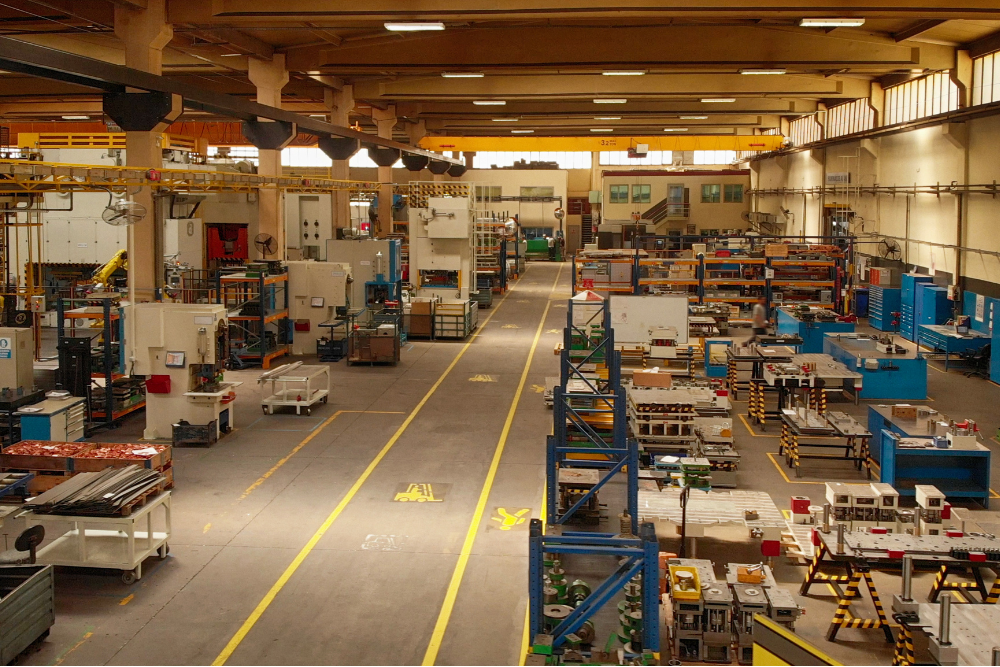
At the heart of every successful manufacturing facility lies a fundamental commitment to Environmental, Health, and Safety (EHS) regulations. EHS is a cross-disciplinary area that aims to protect the environment and maintain the health and safety of the workforce within a business. It's a crucial cornerstone in the realm of manufacturing, where the combination of heavy machinery, complex processes, and diverse personnel can present unique and potentially hazardous challenges. As a result, the implementation of EHS in manufacturing facilities is not just a regulatory requirement but a critical business strategy.
But imagine this: a bustling manufacturing floor, the hum of machinery and labor a symphony of productivity. Amidst the action, you see workers wearing the latest personal protective equipment (PPE). There are well-marked emergency exit routes, carefully stored hazardous materials, and robotic machines humming away to mitigate human risk. This isn’t some utopian future; it’s a modern manufacturing plant with a robust EHS system in place.
On the surface, it's a place of safety, organization, and compliance. But delve a little deeper, and you'll discover a wealth of unforeseen benefits that EHS brings to the table, beyond the typical expectation of a safe and healthy work environment. As it turns out, the manufacturing industry's journey with EHS doesn’t stop at compliance—it’s a voyage towards a holistic transformation that not only safeguards lives but also builds reputations, reduces costs, increases productivity, and fosters a thriving work culture. Welcome aboard as we embark on exploring the unexpected advantages of EHS in manufacturing.
The Evolving Role of EHS in Manufacturing
EHS: From Compliance to Strategic Imperative
Gone are the days when EHS in manufacturing was viewed merely as a set of compliance rules to be adhered to or as a burdensome cost. In today's manufacturing landscape, EHS has evolved into a strategic business imperative. Regulatory requirements are, undoubtedly, still a driving force behind EHS practices, but forward-thinking organizations recognize that proactive EHS management goes beyond compliance—it can deliver significant business value.
This shift in perspective hasn't happened overnight. It's a result of manufacturers progressively realizing that an effective EHS strategy can minimize risk, prevent costly incidents, enhance reputation, and even contribute to profitability. The new role of EHS has broadened to encompass an enterprise-wide approach that integrates safety culture into business operations at all levels.
Integrating EHS Systems into Operations
Modern manufacturing firms are embedding EHS into their operational DNA, making it an integral part of their business ethos. This integration happens at several levels:
- Policy Level: Companies are developing clear EHS policies that define responsibilities, set expectations, and lay out guidelines for all workers. These policies are communicated and enforced across the organization.
- Process Level: Firms are revising their production processes to reduce risks and hazards. For instance, they're redesigning workflows to minimize exposure to hazardous substances or dangerous machinery.
- People Level: Organizations are investing in EHS training and awareness programs to ensure that every employee, from the shop floor to the executive suite, understands their role in maintaining a safe and healthy environment.
- Performance Level: Companies are tracking EHS performance metrics alongside other business metrics, using tools like EHS software for real-time monitoring, reporting, and trend analysis.
In this new era, EHS in manufacturing is more than a set of rules—it's a holistic framework that guides how companies operate, emphasizing safety, sustainability, and well-being as key to business success.
Unforeseen Benefits of EHS
Enhanced Brand Reputation and Trust
In the interconnected world we live in, a company's reputation can be significantly influenced by its commitment to EHS. A robust EHS strategy not only demonstrates a commitment to protecting employees but also a sense of corporate responsibility towards the environment and the community. This commitment is often rewarded with increased trust from customers, partners, and stakeholders, and can significantly enhance a brand's reputation.
Improved Productivity and Profitability
An often-overlooked benefit of EHS in manufacturing is the boost it can give to productivity. A safe and healthy work environment can lead to fewer work disruptions, less time off due to injury or illness, and increased employee focus, all contributing to improved productivity. Moreover, efficient use of resources and reduced waste, integral aspects of EHS, can lead to significant cost savings, thereby increasing profitability.
Reduction in Workplace Incidents and Related Costs
A comprehensive EHS program helps identify and mitigate risks, thereby reducing the likelihood of workplace incidents. Fewer accidents mean less downtime, reduced compensation claims, and decreased regulatory fines. These savings can have a significant impact on the company's bottom line.
Employee Morale and Retention
When a company prioritizes EHS, it sends a clear message to its employees that their health and safety matter. This commitment can boost employee morale, leading to higher job satisfaction, increased loyalty, and better retention rates. Furthermore, companies with strong EHS cultures often attract top-tier talent, creating a competitive edge in the labor market.
Better Risk Management
Implementing robust EHS practices allows manufacturers to anticipate, identify, and mitigate risks more effectively. By understanding the potential hazards and challenges associated with their operations, companies can implement preventive measures and make more informed business decisions. This proactive approach to risk management can save companies from costly reactive measures in the future.
Access our Comprehensive Manufacturing Industry Safety Guide
Overcoming the Challenges of Implementing EHS in Manufacturing
Identifying Common Obstacles in EHS Implementation
The journey towards comprehensive EHS integration in manufacturing isn't always smooth sailing. Companies often encounter several obstacles, including:
- Resource Constraints: Implementing a robust EHS system can be resource-intensive, requiring significant investment in equipment, training, and possibly personnel.
- Resistance to Change: Like any change, the transition to an EHS-focused culture may face resistance from employees, especially if it involves altering established routines or processes.
- Complex Regulations: EHS regulations can be complex and vary widely by region, making compliance a challenging task, particularly for companies with operations in multiple jurisdictions.
Strategies and Resources for Overcoming EHS Challenges
Addressing these challenges effectively can expedite the integration of EHS into a company's DNA. Here are some strategies and resources that can aid this process:
- Prioritizing Investment: Recognizing EHS as a strategic priority can help allocate resources more effectively. Consideration of long-term benefits over short-term costs can influence decision-making towards investing in EHS.
- Effective Change Management: Employing change management principles can help reduce resistance to EHS initiatives. This involves clear communication, employee involvement, and gradual implementation.
- Leveraging Technology: EHS software can help navigate the maze of regulations, manage risks, and track compliance. These solutions can simplify and automate many EHS tasks, reducing the burden on resources.
- Seeking External Support: Numerous consulting firms and industry organizations offer EHS support services, from compliance assistance to training programs. Leveraging such resources can provide valuable expertise and insights for implementing EHS systems.
By acknowledging and addressing these challenges, manufacturers can pave the way for successful EHS integration, reaping the multitude of benefits that it brings to the table.
SafetyIQ brings incidents, inspections, training, journey management, lone worker safety and fatigue into one mobile app. Tell us about your crews and sites for tailored pricing.
Safety insights, straight to your inbox
New guides, monthly safety topics and SafetyIQ updates for EHS and operations leaders. Unsubscribe anytime.



Get a demo built around your sites, your teams, and the way your people work.
EHS, journey, and fatigue management software for field-heavy teams.

.png)

.png)