
Hotel Safety: Protecting Guests and Staff
Learn how hotels can improve safety through staff training, security systems, risk prevention, and operational best practices to protect guests, employees, and hotel property.
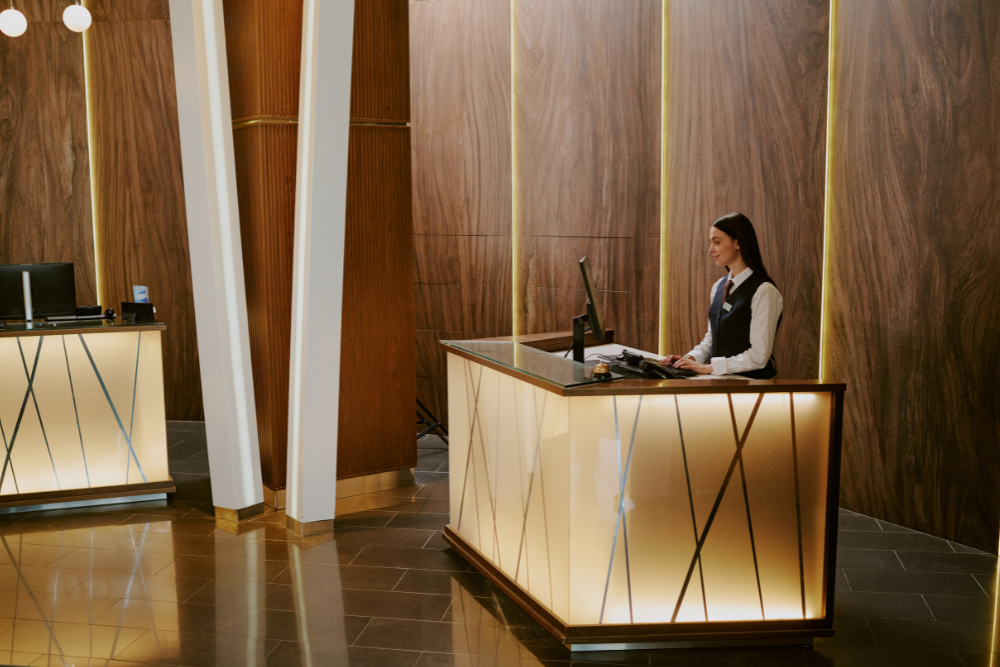
Hotel safety is one of the most critical responsibilities within the hospitality industry because hotels serve as both workplaces and temporary homes for guests. Every day, hotels manage a wide range of safety risks while maintaining a welcoming, comfortable environment. Guests expect to feel secure when they enter their rooms, walk through hallways, use amenities, or spend extended time on the property. At the same time, hotel employees perform physically demanding and operationally complex work that exposes them to hazards that must be carefully managed.
Safety in hotels requires constant attention because the environment is always changing. New guests arrive daily, maintenance needs evolve, and operational pressures can create new risks if safety is not consistently prioritized. Properties that host extended stays, such as hotel suites in Orlando that accommodate vacationing families and long-term visitors, must maintain especially consistent safety practices since guests rely on these spaces as temporary residences. This requires hotels to approach safety not as a one-time task but as an ongoing operational priority that protects people and ensures business continuity.
Guest Safety and Security
Guest safety is the foundation of hotel operations because guests entrust hotels with their personal wellbeing. When guests check in, they expect their rooms to provide privacy, protection, and comfort. This expectation extends beyond the room itself and includes hallways, elevators, parking areas, recreational facilities, and public spaces.
Hotels must ensure that access to guest rooms is controlled and monitored so that unauthorized individuals cannot enter restricted areas. Modern locking systems, controlled entry points, and active monitoring all contribute to creating a secure environment. Proper lighting throughout the property also plays an important role in safety, as well-lit areas reduce the likelihood of accidents and improve visibility for both guests and staff.
Safety also depends on the hotel’s ability to respond quickly to concerns. When guests feel confident that hotel staff can address issues promptly and professionally, their sense of safety increases. This trust is essential because guest perception of safety directly influences satisfaction, reviews, and long-term reputation.
Housekeeping and Employee Safety
Housekeeping teams play a vital role in hotel operations, but their work also exposes them to significant physical strain and environmental hazards. Housekeepers spend long hours cleaning rooms, moving equipment, lifting supplies, and working in physically demanding conditions. Without proper safety practices, these repetitive tasks can lead to injuries that affect both employees and hotel operations.
The safety of housekeeping staff depends on proper training, ergonomic awareness, and clear communication. Employees must understand how to perform their duties in ways that reduce strain and prevent injury. They also need the ability to report hazards, unsafe conditions, or concerns without delay so that corrective action can be taken.
Protecting housekeeping staff is essential not only because it reduces injuries but also because it supports operational consistency. When employees are safe and healthy, they can perform their roles effectively, ensuring that guest rooms meet cleanliness and safety expectations.
Facility and Maintenance Safety
Hotel facilities include complex systems that must function reliably to ensure safety. Electrical systems, elevators, plumbing, heating, and structural components all require regular monitoring and maintenance. If these systems fail or deteriorate, they can create serious safety risks for guests and staff.
Maintenance teams must carefully inspect equipment and address potential issues before they become hazards. Routine maintenance prevents accidents and ensures that facilities remain safe and functional. This proactive approach is essential because many risks develop gradually and may not be immediately visible.
Facility safety also affects guest confidence. When guests see that a hotel is well maintained and properly managed, they feel more comfortable and secure during their stay.
Fire Safety and Emergency Preparedness
Fire safety is one of the most critical aspects of hotel safety because fires can spread quickly and affect large numbers of people. Hotels must be prepared to detect fires early, alert occupants, and support safe evacuation. Emergency preparedness ensures that staff understand their responsibilities and can guide guests to safety when necessary.
Preparation includes maintaining detection systems, ensuring emergency routes remain accessible, and training staff to respond calmly and effectively. Guests often rely on hotel staff for guidance during emergencies, making staff preparedness essential.
Emergency preparedness also includes readiness for other unexpected situations, such as severe weather or power outages. Hotels must be able to respond quickly to protect guests and maintain order during disruptions.
Slip, Trip, and Fall Prevention
Slip, trip, and fall incidents are among the most common safety issues in hotels because of the constant movement of people throughout the property. Guests may encounter unfamiliar surroundings, and employees work in areas that can become hazardous if not properly maintained.
Preventing these incidents requires consistent attention to environmental conditions. Floors must remain clean and dry, pathways must remain clear, and any hazards must be addressed promptly. These preventive efforts protect both guests and employees from injuries that can have long-lasting consequences.
Maintaining safe walking surfaces also reflects the hotel’s commitment to professionalism and guest care. Guests are more comfortable when they see that their environment is well managed.
Safety in Public and Recreational Areas
Hotels often include amenities such as pools, fitness areas, dining spaces, and lounges. These areas enhance guest experience but also introduce additional safety considerations. Guests using recreational areas may not be familiar with the environment, increasing the importance of clear safety practices.
Hotels must ensure that these spaces remain clean, functional, and safe for use. Regular monitoring helps identify risks and maintain a safe environment. When guests feel safe using hotel amenities, their overall experience improves.
These areas also represent important operational spaces that require consistent oversight to maintain safety standards.
The Role of Training in Hotel Safety
Training plays a central role in hotel safety because employees are responsible for identifying risks, preventing incidents, and responding when problems occur. Without proper training, employees may not recognize hazards or understand how to respond effectively.
Training helps employees develop awareness and confidence in their roles. It also ensures consistency across departments so that safety practices remain reliable throughout the property.
Well-trained staff contribute to a safer environment by recognizing potential risks early and taking action before incidents occur.
The Importance of Safety Culture
Safety culture reflects how seriously safety is valued within a hotel. When safety becomes part of daily operations, employees naturally prioritize safe practices. This culture develops through leadership, communication, and consistent expectations.
A strong safety culture encourages employees to remain aware of their surroundings and take responsibility for maintaining safe conditions. It also supports continuous improvement by encouraging open communication about safety concerns.
Hotels with strong safety cultures experience fewer incidents and stronger operational performance.
Benefits of Effective Hotel Safety Programs
Effective safety programs provide long-term benefits for hotels. They protect guests and employees while also supporting business stability. Hotels that prioritize safety experience fewer disruptions, lower liability risk, and improved operational reliability.
Safety also influences guest perception. When guests feel safe, they are more likely to return and recommend the property to others. This trust supports long-term success and brand reputation.
Investing in safety helps hotels operate more efficiently while protecting the people who depend on them.
Conclusion
Hotel safety is essential to the success and sustainability of hospitality operations. Protecting guests and employees requires careful planning, consistent training, and ongoing attention to facility conditions and operational risks. Every aspect of hotel operations, from guest rooms to maintenance systems, plays a role in creating a safe environment.
Hotels that prioritize safety create environments where guests feel comfortable and employees can perform their roles confidently. Whether serving short-term travelers or extended-stay guests in hotel suites in Orlando and similar hospitality settings, safety remains a fundamental responsibility.
By maintaining strong safety practices, hotels protect their people, their reputation, and their future.
SafetyIQ brings incidents, inspections, training, journey management, lone worker safety and fatigue into one mobile app. Tell us about your crews and sites for tailored pricing.
Safety insights, straight to your inbox
New guides, monthly safety topics and SafetyIQ updates for EHS and operations leaders. Unsubscribe anytime.
.png)
Get a demo built around your sites, your teams, and the way your people work.
EHS, journey, and fatigue management software for field-heavy teams.

.png)

.png)