
Commercial Property Safety Inspections
Learn how commercial property safety inspections protect tenants, reduce liability, ensure compliance, and improve long-term real estate value.
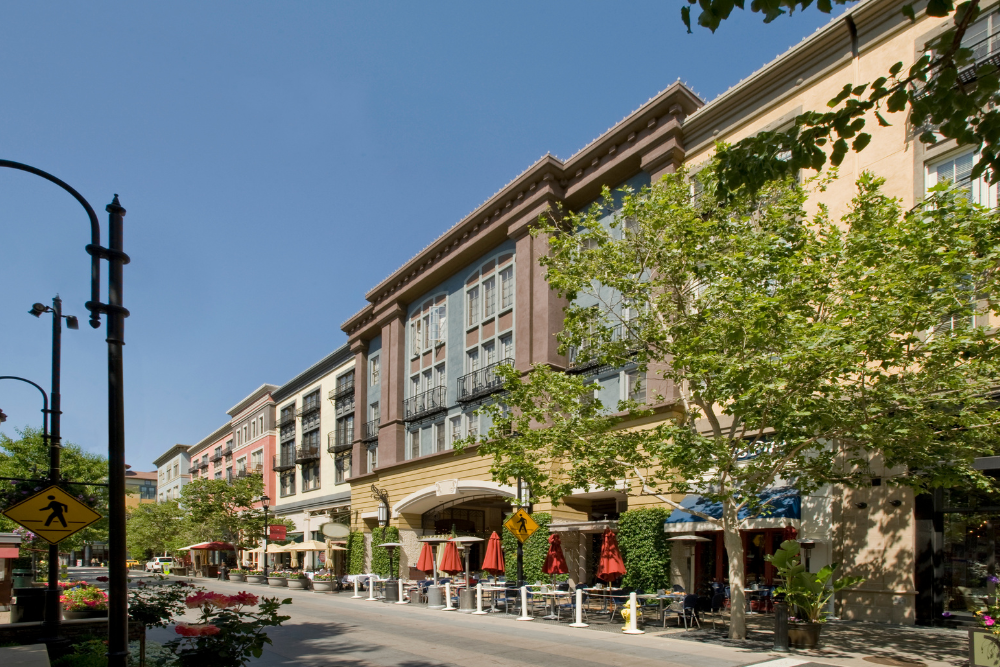
Commercial real estate safety inspections are essential for protecting tenants, employees, visitors, and the long-term value of a property. Whether the building is an office complex, retail center, warehouse, or mixed-use development, safety inspections help identify hazards before they lead to injuries, lawsuits, or costly repairs. Property owners and managers have both a legal and ethical responsibility to maintain safe environments, and regular inspections are one of the most effective ways to fulfill that obligation.
Unlike residential properties, commercial buildings experience higher foot traffic, more complex systems, and greater operational risks. Elevators, electrical infrastructure, fire protection systems, and public access areas must all meet safety standards. A single overlooked issue can create serious consequences. Safety inspections provide a structured process to evaluate risks, correct problems, and maintain compliance with regulations.
Beyond compliance, safety inspections also protect the financial performance of a property. Safe buildings attract quality tenants, maintain occupancy rates, and preserve property value over time.
Why Commercial Property Safety Inspections Are Critical
Safety inspections help property owners identify risks that may not be obvious during daily operations. Over time, buildings naturally experience wear and tear. Electrical systems degrade, structural components weaken, and safety equipment may fail without warning.
Regular inspections allow owners to detect issues early, before they escalate into emergencies.
Inspections help prevent:
- Slip and fall accidents
- Electrical hazards
- Fire risks
- Structural failures
- Security vulnerabilities
When safety risks are identified and corrected quickly, property owners reduce liability and create safer environments for everyone who uses the space.
Inspections also demonstrate professionalism and responsibility, which strengthens tenant trust and retention.
Key Areas Evaluated During Commercial Safety Inspections
Commercial property inspections cover multiple systems and physical areas. Each component plays an important role in maintaining safety.
Structural Integrity
Inspectors evaluate the physical structure of the building, including walls, ceilings, roofing, and foundations. Structural weaknesses can lead to collapse, falling materials, or unsafe conditions.
Even small cracks or signs of deterioration should be taken seriously.
Early detection prevents major repair costs later.
Fire Safety Systems
Fire safety is one of the most critical aspects of commercial property inspections. Inspectors review fire alarms, sprinkler systems, extinguishers, and emergency exits.
Emergency exits must be clearly marked, unobstructed, and functional.
Fire protection systems must also be regularly tested and maintained.
Failure to comply with fire safety standards can result in fines, closures, or catastrophic loss.
Electrical Systems
Electrical hazards are a leading cause of commercial property fires. Inspectors examine wiring, breaker panels, outlets, and equipment for signs of damage or overload.
Faulty wiring can create shock hazards and fire risks.
Regular inspections ensure electrical systems remain safe and compliant.
Walkways, Parking Areas, and Common Spaces
Public areas create the highest liability exposure because they are used by tenants, employees, and visitors daily.
Inspectors look for:
- Uneven surfaces
- Poor lighting
- Trip hazards
- Damaged stairs
- Unsafe railings
Maintaining safe walking surfaces helps prevent injuries and legal claims.
Security and Access Control
Safety inspections also evaluate security measures such as lighting, locks, cameras, and access systems.
Proper security reduces crime risk and improves tenant confidence.
A secure property is more attractive to tenants and customers.
The Role of Safety Signage in Commercial Property Inspections
Safety signage plays an important role in commercial property safety. Signs communicate hazards, guide emergency evacuations, and provide important instructions.
Inspectors verify that required signs are present, visible, and legible.
This includes:
- Exit signs
- Fire equipment labels
- Hazard warnings
- Restricted access signs
Clear signage helps prevent confusion and supports safe behavior.
The importance of visibility and clarity applies broadly across commercial properties, including customer-facing environments. For example, companies that design business signs in Orlando understand how proper placement, lighting, and readability influence how easily people navigate a property. While those signs often support branding and customer identification, the same design principles apply to safety signage, where clear communication can guide people to exits, warn of hazards, and improve overall building safety.
Effective signage improves both safety and functionality.
Legal and Liability Benefits of Safety Inspections
Property owners are legally responsible for maintaining safe environments. Failure to correct known hazards can result in lawsuits, fines, and financial losses.
Safety inspections help demonstrate due diligence.
If an incident occurs, inspection records show that the owner actively worked to maintain safe conditions.
This can reduce legal exposure and protect the property owner.
Inspections also help ensure compliance with:
- Local building codes
- Fire regulations
- OSHA standards
- Insurance requirements
Compliance protects both people and property.
Financial Benefits of Regular Safety Inspections
Safety inspections protect more than people. They protect property value and income.
Unsafe buildings often experience:
- Tenant turnover
- Legal costs
- Repair expenses
- Reputation damage
Safe buildings attract and retain tenants.
They also maintain higher market value.
Preventive maintenance is far less expensive than emergency repairs.
Safety inspections are an investment in long-term financial performance.
How Often Commercial Safety Inspections Should Be Conducted
Inspection frequency depends on property type, age, and usage.
Most commercial properties benefit from annual comprehensive inspections.
However, high-traffic properties may require more frequent reviews.
Routine internal inspections should also be conducted regularly.
Safety should never be treated as a one-time task.
It is an ongoing responsibility.
Common Safety Issues Found in Commercial Properties
Many safety inspections uncover common problems that develop over time.
These include:
Poor lighting in parking areas
Blocked emergency exits
Worn flooring and trip hazards
Damaged electrical components
Missing safety signage
These issues are often easy to fix but dangerous if ignored.
Regular inspections ensure they are addressed quickly.
The Role of Property Managers in Safety Inspections
Property managers play a critical role in maintaining safety.
They coordinate inspections, monitor conditions, and address issues.
Managers also ensure tenants follow safety rules.
Communication is essential.
Tenants should report hazards immediately.
Quick action prevents accidents.
How Safety Inspections Improve Tenant Satisfaction
Tenants want safe environments for their employees and customers.
Safety inspections demonstrate professionalism and care.
Safe properties create trust.
Tenants are more likely to renew leases when they feel protected.
Safety contributes to tenant retention and long-term stability.
Creating a Commercial Property Safety Inspection Checklist
A structured checklist ensures inspections are thorough and consistent.
Checklist items typically include:
Fire safety equipment
Electrical systems
Emergency exits
Lighting
Structural integrity
Security systems
Walkways and public areas
Checklists help identify issues and track repairs.
They ensure nothing is overlooked.
Long-Term Impact of Safety Inspections on Property Value
Safety directly affects property value.
Unsafe buildings lose tenants and income.
Safe buildings maintain strong occupancy.
Investors prefer properties with documented safety programs.
Safety inspections protect long-term investment performance.
They support stability and growth.
FAQs About Commercial Property Safety Inspections
1. Why are commercial property safety inspections important?
Commercial property safety inspections help identify hazards that could harm tenants, employees, or visitors. They reduce accident risk, ensure regulatory compliance, and protect property owners from liability. Inspections also preserve property value by preventing costly damage and maintaining safe conditions.
Without regular inspections, small problems can turn into serious safety risks and expensive repairs.
2. How often should commercial properties be inspected?
Most commercial properties should receive comprehensive safety inspections at least once per year. However, properties with high traffic, older infrastructure, or specialized equipment may require more frequent inspections.
Routine internal checks should also be conducted regularly to monitor conditions between formal inspections.
Consistent inspections ensure ongoing safety.
3. What happens if safety issues are found?
If hazards are identified, property owners must correct them as quickly as possible. This may involve repairs, equipment replacement, or installing proper safety signage.
Documentation is important.
Maintaining records shows that issues were addressed.
Prompt action reduces risk and liability.
4. Who is responsible for commercial property safety?
Property owners are ultimately responsible for maintaining safe conditions. However, property managers, maintenance teams, and tenants also play important roles.
Safety requires coordination and communication.
Everyone must work together to maintain safe environments.
Clear responsibilities improve outcomes.
5. How do safety inspections protect property value?
Safety inspections protect property value by preventing accidents, lawsuits, and major damage. Safe buildings attract tenants, maintain occupancy, and preserve reputation.
Investors and tenants prefer properties with strong safety records.
Safety supports long-term financial performance and stability.
Conclusion
Commercial property safety inspections are essential for protecting people, reducing liability, and preserving property value. They help identify hazards, ensure compliance, and maintain safe environments.
Safety inspections are not optional.
They are a core responsibility of property ownership.
By conducting regular inspections, maintaining safety systems, and correcting issues quickly, property owners create safer buildings and stronger investments.
Safety protects both people and business success.
SafetyIQ brings incidents, inspections, training, journey management, lone worker safety and fatigue into one mobile app. Tell us about your crews and sites for tailored pricing.
Safety insights, straight to your inbox
New guides, monthly safety topics and SafetyIQ updates for EHS and operations leaders. Unsubscribe anytime.


Get a demo built around your sites, your teams, and the way your people work.
EHS, journey, and fatigue management software for field-heavy teams.

.png)

.png)